
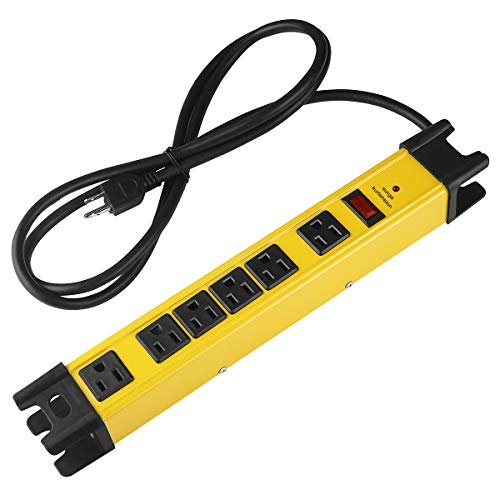
Working from home has become an essential part of modern life. Whether someone works remotely, manages an online business, attends virtual meetings, or studies from home, having a reliable workspace is important for productivity and comfort. However, modern home offices often contain multiple electronic devices that require a consistent and safe power supply. Computers, monitors, printers, smartphones, routers, and other equipment can quickly occupy available electrical outlets. This makes surge protectors and power strips valuable tools for creating a more organized and safer working environment.
Choosing the right electrical accessories is not simply about having enough outlets. It also involves protecting expensive equipment, managing electrical loads, and reducing potential hazards. A high-quality Heavy Duty Power Strip can help support these needs when selected and used according to its electrical rating and safety instructions.
Understanding the Importance of Electrical Safety in Home Workspaces
A home workspace typically contains several electronic devices operating simultaneously. Each device places a certain demand on the electrical system, and connecting multiple products to an unsuitable power source can create unnecessary risks.
Electrical safety should be a priority when setting up a home office. Overloaded outlets, damaged cables, poor-quality adapters, and improperly connected equipment can contribute to overheating and electrical problems.
Surge protectors and properly rated power strips help manage everyday electrical connections. They provide additional outlets and, depending on their design, protection against specific electrical conditions.
A well-planned workspace should also include adequate ventilation, properly positioned cables, and easy access to electrical connections. These simple measures can make daily work more convenient while supporting a safer environment.
How Surge Protectors Help Protect Electronic Equipment
Electrical surges are sudden increases in voltage that can occur because of lightning activity, utility switching, or other disturbances in the electrical supply. These voltage spikes can potentially damage sensitive electronic components.
Computers, monitors, networking equipment, and external storage devices may be particularly vulnerable to unexpected electrical fluctuations. Replacing damaged equipment can be expensive and may also interrupt important work.
Surge protectors are designed to reduce the voltage reaching connected equipment during qualifying surge events. Many models use components such as metal oxide varistors to redirect excess electrical energy away from connected devices.
When selecting a surge protector, buyers should consider its joule rating, response characteristics, safety certifications, and indicator lights. A higher joule rating generally indicates greater capacity to absorb cumulative surge energy, although it does not guarantee protection against every electrical event.
Using a suitable surge protector can provide an additional layer of defense for valuable home office electronics.
Why Power Strips Are Useful for Modern Home Offices
Limited electrical outlets are a common challenge in residential workspaces. A desk may need power for a desktop computer, laptop charger, monitor, desk lamp, printer, and several accessories. Without additional outlets, managing these connections can become inconvenient.
Power strips provide multiple sockets through a single electrical connection. This makes it easier to arrange equipment around a desk without constantly unplugging one device to connect another.
A Heavy Duty Power Strip can be particularly useful when a workspace contains several compatible devices that require dependable electrical connections. These products are often designed with durable housings, sturdy cables, and clearly specified electrical ratings.
However, users should understand that additional outlets do not increase the total electrical capacity of the wall circuit. Every connected device contributes to the overall load, so the combined demand must remain within the power strip’s rating and the limits of the electrical circuit.
Key Features to Consider When Choosing a Heavy Duty Power Strip
Selecting an appropriate power strip requires more attention than simply counting its outlets. Several important features can influence safety, durability, and convenience.
Durable Construction
A power strip used regularly in a home office should have a strong outer housing that can withstand everyday handling. Durable construction helps protect internal electrical components from ordinary wear and accidental impacts.
The cable should also be appropriately sized and designed for the product’s rated current and intended application.
Overload Protection
Some power strips include overload protection that interrupts power when the connected load exceeds a specified limit. This feature can help reduce the risk of overheating caused by excessive electrical demand.
Users should never intentionally operate a power strip beyond its stated capacity, even when overload protection is available.
Surge Protection
Not every power strip includes surge protection. Buyers should check the product specifications carefully if protection against voltage spikes is important.
A dedicated surge-protected model should clearly state its protection ratings and relevant safety certifications.
Sufficient Outlet Spacing
Different electronic devices have different plug sizes. Closely positioned outlets can make it difficult to connect bulky adapters without blocking neighboring sockets.
A practical design provides enough spacing for commonly used chargers and plugs.
Safety Certifications
Independent safety certifications can help consumers identify products that have been evaluated against applicable electrical safety standards. Buyers should check for recognized certification marks appropriate to their country and intended use.
Organizing Cables for a Cleaner and Safer Workspace
Cable management is another important part of maintaining an efficient home office. Multiple chargers, monitor cables, computer connections, and extension cords can create clutter around a desk.
Loose cables may become tangled, pulled accidentally, or damaged when furniture moves. They can also create tripping hazards, especially in smaller rooms.
Power strips with accessible outlets and suitable cable lengths can make workspace organization easier. Users can position compatible equipment more efficiently while keeping unnecessary cables away from walking areas.
Cable clips, sleeves, and desk organizers can further improve the arrangement. However, cables should never be tightly bundled if doing so interferes with heat dissipation or the manufacturer’s instructions.
Power strips should also remain uncovered and accessible. Placing them underneath heavy furniture, inside enclosed spaces, or beneath carpets can restrict ventilation and increase safety concerns.
Preventing Electrical Overloads in Home Offices
One of the most important responsibilities when using multiple electrical devices is understanding their combined power consumption.
Every connected appliance draws a certain amount of current. When the total demand exceeds the power strip’s or circuit’s rated capacity, overheating and electrical hazards may occur.
For example, a computer, monitor, router, and phone charger may operate comfortably within the capacity of a properly selected power strip. However, adding high-power appliances such as heaters or other equipment can significantly increase the electrical load.
A Heavy Duty Power Strip should never be treated as permission to connect unlimited devices. Its rated current, voltage, wattage, and manufacturer’s instructions must always be followed.
Users should avoid connecting one power strip to another, commonly known as daisy-chaining. They should also avoid using damaged extension cords or connecting equipment that exceeds the available electrical capacity.
Creating a More Productive and Comfortable Work Environment
Electrical organization can contribute to better productivity. When essential devices have accessible power connections, workers spend less time managing cables and searching for available outlets.
A properly arranged workspace also makes it easier to clean the desk, reposition equipment, and maintain an uncluttered environment.
Surge protectors can provide additional reassurance when sensitive electronics are connected, while suitable power strips help accommodate everyday charging and equipment requirements.
For people who frequently use laptops, tablets, smartphones, and wireless accessories, choosing products with appropriate USB charging options can further simplify the workspace. Nevertheless, USB charging capacity should be checked to ensure compatibility with connected devices.
The goal is to create a setup that balances convenience, electrical safety, and practical functionality.
Maintenance Tips for Long-Term Electrical Safety
Even well-designed electrical accessories require regular inspection. Over time, cables, plugs, switches, and outlets can experience wear.
Home office users should periodically examine their power strips for visible damage, discoloration, unusual warmth, loose sockets, or burning smells. Any product showing these warning signs should be disconnected if it is safe to do so and replaced rather than repaired through makeshift methods.
Surge protectors may also have indicators showing whether their protective components remain functional. If an indicator signals that protection has failed, the product should be replaced according to the manufacturer’s instructions.
Keeping electrical accessories clean and dry is equally important. Spills should be kept away from outlets, and power strips should not be used in locations where moisture exposure is likely unless specifically designed and approved for those conditions.
For additional protection, homeowners should consider appropriate circuit breakers, residual-current protection where required, and professional electrical inspections when necessary.
Conclusion
Creating a safer home workspace involves more than purchasing a computer and arranging a comfortable desk. Electrical accessories play an important role in supporting reliable daily operations, protecting valuable equipment, and maintaining an organized environment.
Surge protectors help reduce the risk of damage from qualifying voltage spikes, while properly rated power strips provide convenient access to additional electrical outlets. Choosing a Heavy Duty Power Strip with suitable construction, overload protection, appropriate ratings, and recognized safety certifications can make everyday workspace management easier.
However, safe usage is just as important as product selection. Avoiding overloaded circuits, preventing cable damage, maintaining proper ventilation, and following manufacturer instructions all contribute to better electrical safety.
 Admin