
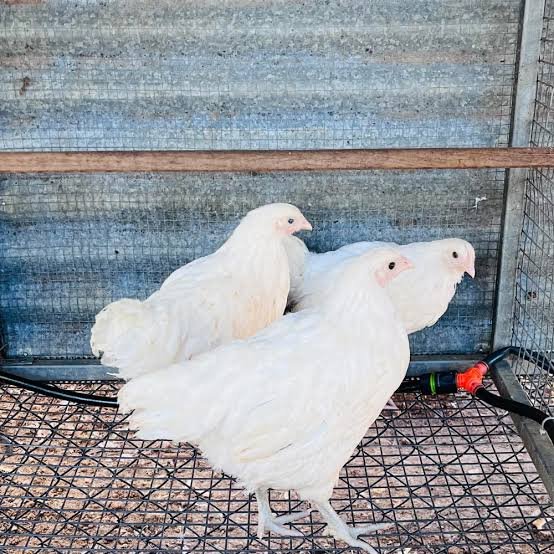
Australorp chickens are a popular choice for backyard poultry keepers and small-scale farmers because of their calm temperament, attractive appearance, and excellent egg-laying abilities. Originally developed in australorp chickens for sale Australia, this breed is widely appreciated for its glossy black feathers, friendly nature, and ability to adapt to different backyard environments. Whether you are purchasing your first flock or expanding an existing poultry setup, preparing the coop before bringing home new birds is an important step toward successful chicken keeping.
When searching for Australorp chickens for sale, buyers often focus on the birds’ age, health, and price. However, creating a clean, comfortable, and secure living space is equally important. A well-prepared coop helps chickens settle into their new surroundings, reduces unnecessary stress, and supports healthy growth and consistent egg production.
Understanding the Needs of Australorp Chickens
Before preparing a coop, it helps to understand the characteristics of Australorp chickens. These birds are generally gentle, manageable, and suitable for many types of poultry keepers. Their calm behavior makes them a practical option for families, hobby farmers, and people establishing their first backyard flock.
Australorps are also known for their impressive egg production. Healthy hens can lay numerous brown eggs throughout the year, although production depends on age, nutrition, daylight, health, and living conditions. Providing a comfortable environment can help hens maintain their natural laying patterns.
Although Australorps are relatively adaptable, they still need protection from extreme weather, predators, moisture, and overcrowding. Their coop should provide sufficient space for resting, feeding, nesting, and moving around comfortably.
Choose the Right Location for Your Chicken Coop
The location of your coop can influence the health and comfort of your flock. Before purchasing Australorp chickens, identify a suitable area on your property where the birds can live safely.
Choose a location with good drainage to prevent rainwater from collecting around the coop. Excess moisture can create muddy conditions and encourage the growth of harmful microorganisms. A slightly elevated area is often helpful because it allows water to drain away more effectively.
Ventilation and shade are also important considerations. The coop should receive some natural light while offering protection from intense sunlight, strong winds, and heavy rainfall. In warmer climates, shade and airflow are especially valuable because chickens can experience heat stress when temperatures rise.
Avoid placing the coop directly beside busy entrances or areas with frequent disturbances. A quieter location can help the birds rest and adjust to their new environment without unnecessary interruptions.
Prepare Enough Space for Every Bird
Providing adequate space is one of the most important parts of coop preparation. Overcrowding can increase competition for food and water, contribute to feather pecking, and make it harder to keep the living area clean.
As a general planning guideline, allow around four square feet of indoor coop space per standard-sized adult chicken, with approximately eight to ten square feet per bird in an outdoor run where practical. More space may be needed depending on the climate, flock size, and how much time the birds spend indoors.
For example, a small flock of four Australorp hens should have enough room to move freely, access feeding stations, and rest without constantly competing with one another.
If you plan to expand your flock in the future, consider building a slightly larger coop from the beginning. This can reduce the need for expensive changes later and make daily poultry management easier.
Clean and Disinfect the Coop Before Arrival
A clean coop provides a better starting environment for newly purchased chickens. Even if the structure looks tidy, old bedding, accumulated droppings, and leftover feed can harbor pests or disease-causing organisms.
Begin by removing old bedding and debris. Scrub feeders, water containers, perches, and other removable equipment with an appropriate cleaning solution. Use a poultry-safe disinfectant according to its label instructions, allowing surfaces to dry completely before adding fresh bedding.
Pay particular attention to corners, nesting boxes, and areas beneath roosting bars. These locations can collect droppings and may provide hiding places for external parasites.
If the coop has housed other chickens previously, cleaning becomes even more important. Follow suitable biosecurity practices and avoid introducing new birds into a space where illness has recently occurred until it has been properly assessed and prepared.
Install Comfortable Perches and Nesting Boxes
Australorp chickens need suitable places to rest at night and lay their eggs. Providing these features before the birds arrive helps them become familiar with the coop more quickly.
Install sturdy, smooth-edged perches that allow chickens to grip comfortably. Position them above the bedding but away from feeding and drinking areas to reduce contamination from droppings. Ensure that the perches are securely fixed and do not have sharp edges.
Nesting boxes should be quiet, accessible, and filled with clean, dry bedding. A useful starting point is approximately one nesting box for every three to four hens. However, several hens may prefer the same box, so observe their behavior and adjust the arrangement if necessary.
Keep nesting boxes slightly darker than the surrounding coop where possible. This can encourage hens to use them for laying rather than choosing corners of the floor or other inconvenient locations.
Provide Proper Ventilation and Temperature Control
Good ventilation is essential for maintaining air quality inside the coop. Chickens release moisture through respiration and droppings, and poor airflow can allow humidity, odors, and irritating gases to accumulate.
Install ventilation openings high enough to promote airflow without creating strong drafts directly across resting birds. Secure these openings with durable wire mesh to help keep predators out.
Australorps generally tolerate a range of ordinary outdoor conditions, but newly arrived birds still need time to adjust to their environment. In hot weather, provide shade, cool drinking water, and good airflow. During cold or wet periods, keep the bedding dry and protect the flock from harsh winds and rain.
Avoid sealing the coop completely in an attempt to keep it warm. Fresh air remains important throughout the year, and excessive moisture can cause problems even when temperatures are low.
Choose Suitable Bedding for the Coop
Bedding helps absorb moisture, provides a more comfortable surface, and makes cleaning easier. Common options include suitable pine shavings, chopped straw, and other poultry-safe materials that remain reasonably dry.
Spread a clean layer across the coop floor and replace wet or heavily soiled areas regularly. Bedding should not become dusty, moldy, or excessively damp, as these conditions may affect respiratory health and general hygiene.
Avoid aromatic cedar shavings and materials that contain chemical treatments or unknown contaminants. If you use straw, check it frequently because its structure can sometimes retain moisture.
Establish a regular cleaning routine before the chickens arrive. A manageable schedule makes it easier to maintain a healthy environment as the flock grows.
Set Up Feeders and Water Containers
Reliable access to nutritious feed and clean water is essential for Australorp chickens. Prepare feeding and drinking equipment before bringing the birds home so they can settle in without unnecessary disruption.
Choose feeders that are easy to clean and large enough for the entire flock to access without excessive competition. Position them where bedding and droppings are less likely to contaminate the contents.
Provide fresh water in sturdy containers that cannot easily tip over. Check water levels daily and clean the containers frequently, especially during warm weather.
Feed should match the birds’ age and stage of development. Chicks need an appropriate chick starter, while growing pullets and adult laying hens have different nutritional requirements. Laying hens generally benefit from a complete layer ration formulated to provide the nutrients needed for egg production.
Avoid relying on kitchen scraps or grains alone because these do not provide a balanced diet. Clean feed storage containers also help prevent rodents and insects from becoming a problem.
Make the Coop Secure Against Predators
A secure coop protects Australorp chickens from common predators, including dogs, foxes, and certain wild animals, depending on the local environment.
Inspect doors, windows, roof edges, and fencing for gaps. Use strong hardware cloth rather than relying on ordinary lightweight chicken wire for predator barriers. Chicken wire can help contain birds, but it may not provide sufficient protection against determined predators.
Secure doors with reliable latches and check that the outdoor run is properly enclosed. Where digging predators are a concern, consider a suitable buried or outward-facing mesh barrier around the run.
Inspect the coop regularly for loose boards, damaged mesh, and signs of attempted entry. Good security is particularly important at night, when chickens are resting and less able to respond to danger.
Prepare for the Arrival of New Australorp Chickens
Once the coop is ready, arrange a calm arrival for your new birds. Before buying, ask the seller about the chickens’ age, vaccination history where applicable, current feed, and any known health concerns.
Whenever possible, purchase birds from a reputable breeder who maintains clean facilities and can provide clear information about their flock. Examine the birds for alert behavior, clean eyes, normal movement, and generally healthy-looking feathers.
Keep newly acquired chickens separate from an established flock for an appropriate quarantine period, commonly around 30 days, using separate equipment and following veterinary biosecurity advice. This helps reduce the risk of introducing infectious diseases or parasites.
When the birds arrive, show them where the feed and water are located. Allow them time to explore their new surroundings without excessive handling or disturbances. Monitor their eating, drinking, behavior, and droppings during the first several days.
Establish a Daily Care Routine
Preparing the coop is only the beginning of responsible chicken keeping. Regular care helps maintain a comfortable environment and allows you to notice problems early.
Check feed and water supplies every day, collect eggs regularly, and remove wet bedding or accumulated droppings as needed. Observe the flock for changes in appetite, activity, breathing, or social behavior.
Inspect the run and coop for damage, standing water, and potential predator entry points. Schedule more thorough cleaning as necessary, and review the condition of nesting boxes and perches regularly.
A consistent routine makes poultry management more predictable and helps Australorp chickens become comfortable with their surroundings.
Conclusion
Purchasing Australorp chickens for sale can be an excellent starting point for building a productive and enjoyable backyard flock. However, success depends on more than selecting healthy birds. A suitable coop, adequate space, clean bedding, good ventilation, reliable food and water, and effective predator protection all contribute to their well-being.
By preparing the housing before the chickens arrive, you can make their transition smoother and establish good management habits from the beginning. Whether you plan to keep a few hens for fresh eggs or raise a larger flock, thoughtful preparation provides a strong foundation for caring for Australorp chickens over the long term.