
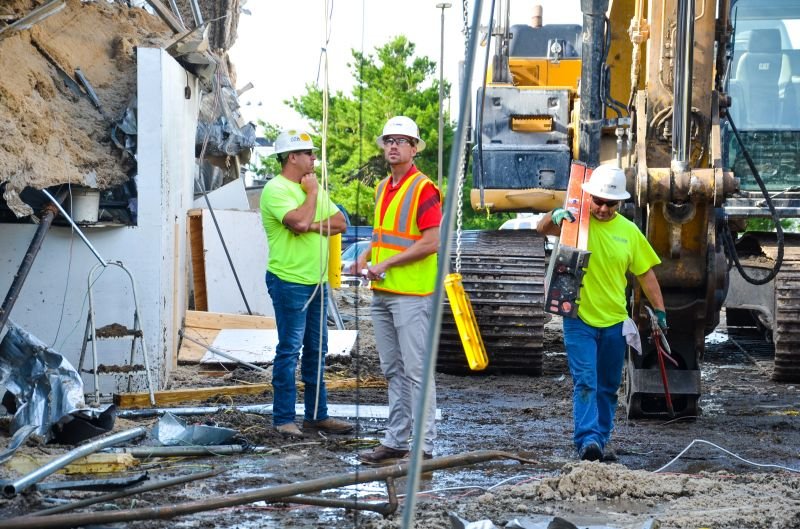
Water damage is one of the most frustrating, costly, and destructive issues a homeowner or business owner can face. In the desert oasis of Arizona, many residents assume that dry air and high temperatures protect them from moisture issues. However, Scottsdale water damage remains a surprisingly frequent problem. From sudden flash floods during monsoon season to hidden plumbing leaks inside walls, water can compromise structural integrity, damage personal belongings, and foster mold growth in a remarkably short time.
Understanding what causes moisture intrusion, recognizing the early warning signs, and knowing how to respond effectively can save you thousands of dollars in restoration costs. Here is a comprehensive guide to addressing and preventing Scottsdale water damage.
Common Causes of Scottsdale Water Damage
While Scottsdale is known for its arid climate, its unique environmental conditions and modern architectural setups create specific vulnerabilities.
Monsoon Season and Severe Flash Floods
During the summer months, Arizona experiences the North American Monsoon. Heavy rainfall, severe thunderstorms, and sudden downpours can overwhelm local drainage systems and cause rapid runoff. Floodwaters can penetrate foundations, breach door thresholds, and cause severe roof leaks, resulting in widespread Scottsdale water damage.
Aging Plumbing Infrastructure
Many established neighborhoods in Scottsdale feature homes with aging pipe networks. Over time, materials like copper and galvanized steel deteriorate due to hard water minerals, high water pressure, and temperature fluctuations. This leads to pinhole leaks, burst pipes, and slab leaks underneath the concrete foundation.
Appliance and Supply Line Failures
Modern homes rely heavily on water-using appliances. Malfunctioning washing machines, broken dishwasher supply lines, failing water heaters, and leaking refrigerator icemaker lines are among the leading culprits of indoor water emergencies. When an supply line fails, hundreds of gallons of water can flood a home within a few hours.
HVAC System Drain Line Clogs
To stay comfortable in the intense desert heat, Scottsdale residents run their air conditioning units constantly during the warm seasons. As an AC unit extracts moisture from the indoor air, condensation accumulates in the drain pan. If the condensate drain line becomes clogged with dust, algae, or debris, the pan overflows directly into ceilings, walls, or mechanical closets.
Early Warning Signs of Hidden Water Damage
Water damage is not always as obvious as a burst pipe or a flooded living room. Often, moisture seizes control behind drywall, under flooring, or above ceiling tiles long before it becomes visible on the surface. Spotting the early warning signs of Scottsdale water damage allows you to take action before the damage worsens.
Discoloration and Water Stains
Yellowish, brown, or dark ring-like stains on ceilings, walls, or baseboards are strong indicators of an active or recent leak. Even small spots should never be ignored, as they often point to a much larger issue hidden inside the wall cavity.
Unexplained Spikes in Utility Bills
If your monthly water bill suddenly increases without an obvious change in household usage, you likely have a hidden leak. A leaking toilet, a underground irrigation pipe break, or a concealed slab leak can waste thousands of gallons of water each month.
Musty Odors and Damp Air
A persistent earthy or musty smell—especially in enclosed spaces like closets, bathrooms, or basements—is a telltale sign of moisture accumulation and early mold growth. If the indoor air feels unusually humid or heavy despite running your air conditioner, hidden water may be evaporating into your home.
Structural Changes: Warping, Buckling, and Peeling Paint
Excess moisture weakens building materials. Look for flooring that feels spongy, hardwood planks that cup or crown, baseboards that pull away from walls, or paint that bubbles and peels. These visual cues mean water has saturated the underlying material.
Effective Solutions for Scottsdale Water Damage
When dealing with water intrusion, speed is critical. Mold can begin growing within 24 to 48 hours in warm environments, making immediate remediation essential.
Step 1: Ensure Safety and Stop the Source
Before addressing the water, ensure the area is safe. If standing water is present near electrical outlets or panel boxes, shut off the main power breaker if it is safe to do so. Next, locate and shut off the main water valve to prevent additional flooding. If the damage is caused by storm runoff, take temporary measures like placing sandbags or tarps.
Step 2: Contact Professional Restoration Experts
Remediating Scottsdale water damage requires specialized equipment like commercial-grade dehumidifiers, air movers, moisture meters, and thermal imaging cameras. Professional restoration technicians can accurately assess the extent of the damage, extract standing water, and thoroughly dry hidden structural elements to prevent long-term decay and mold.
Step 3: Comprehensive Moisture Extraction and Structural Drying
Simply mopping up surface water is rarely enough. Water easily migrates into porous drywall, wooden framing, subflooring, and insulation. Experts use heavy-duty extractors to pull water out of carpets and pads, followed by high-velocity air movers and industrial desiccant dehumidifiers to dry out the building envelope.
Step 4: Mold Remediation and Sanitization
Because Arizona’s warm climate accelerates mold growth when moisture is present, proper sanitization is imperative. Restoration teams apply antimicrobial treatments to affected surfaces to kill bacteria, prevent fungal growth, and eliminate lingering damp odors.
Step 5: Repair, Restoration, and Prevention
Once the structure is completely dry, damaged building materials must be repaired or replaced. This may include replacing drywall, installing new flooring, or repairing damaged roofs and plumbing lines.
To prevent future Scottsdale water damage, homeowners should consider proactive measures:
- Install smart leak detectors and automatic water shutoff valves.
- Inspect appliance supply hoses annually and replace rubber hoses with braided stainless steel.
- Schedule routine maintenance for HVAC condensate lines and water heaters.
- Clean roof gutters and inspect tile roofs before the summer monsoon season arrives.
Final Thoughts
While Scottsdale offers sunny skies and vibrant desert living, water intrusion remains a serious threat to property values and indoor air quality. By staying vigilant for warning signs, maintaining key plumbing systems, and acting quickly to resolve Scottsdale water damage, you can protect your home, health, and investment for years to come.