
Experiencing a natural disaster or unexpected property catastrophe can turn your world upside down in a matter of seconds. Whether it is a severe storm, a devastating flood, a raging wildfire, or a major plumbing failure, the aftermath leaves homeowners and business owners facing overwhelming destruction. During these critical moments, emotions run high, and the sheer volume of debris, water, or structural damage can make the path forward seem impossible to navigate. However, having a structured, methodical approach to disaster cleanup is the single most effective way to reclaim your property, minimize long-term damage, and restore a sense of normalcy.
Post-disaster recovery is not merely about clearing away broken glass or tossing out ruined furniture; it is a complex, hazardous, and scientifically driven process. Taking the right steps in the immediate aftermath can save thousands of dollars in secondary damages, such as mold remediation and structural decay, while protecting the health and safety of everyone involved. Implementing proven disaster cleanup protocols ensures that your recovery journey is both efficient and thorough, allowing you to transition smoothly from crisis management to complete rebuilding.
Understanding the Initial Assessment Phase
The moment authorities declare an area safe to re-enter, or immediately after an internal emergency is contained, the natural instinct is to rush inside and start cleaning. However, safety must always come first. Before a single broom or shovel is picked up, a comprehensive initial assessment is required to identify hidden dangers that are not immediately obvious to the untrained eye.
Prioritizing Personal Safety
Your first priority during any disaster cleanup effort is ensuring that no one sustains injuries during the recovery process. Catastrophic events compromise the physical integrity of buildings in ways that can be deceptively dangerous.
- Wear Appropriate Gear: Always equip yourself with heavy-duty work gloves, steel-toed boots, safety goggles, and an N95 or respirator mask to filter out airborne mold spores, dust, and toxic particles.
- Inspect for Structural Compromise: Look for sagging roofs, buckled walls, cracked foundations, and warped staircases before entering any room. If structural integrity is in doubt, wait for a professional engineer or building inspector to clear the property.
- Avoid Utility Hazards: Never touch electrical switches or appliances if standing in water, and watch out for downed power lines or leaking gas lines. If you smell gas or hear hissing, evacuate immediately and notify utility providers.
Documenting Damage for Insurance
While ensuring safety, you must also lay the groundwork for a successful insurance claim. Without thorough documentation, recovering financial compensation from insurance providers can become an uphill battle.
- Capture Comprehensive Visuals: Take clear, high-resolution photographs and videos of every damaged room, piece of furniture, and structural element before you begin moving or discarding items.
- Maintain an Inventory Log: Create a detailed list of ruined possessions, noting the brand, approximate purchase date, and estimated replacement value.
- Keep All Receipts: Save every invoice, receipt, and estimate from temporary housing, emergency board-up services, and professional disaster cleanup contractors.
Water Mitigation and Moisture Control
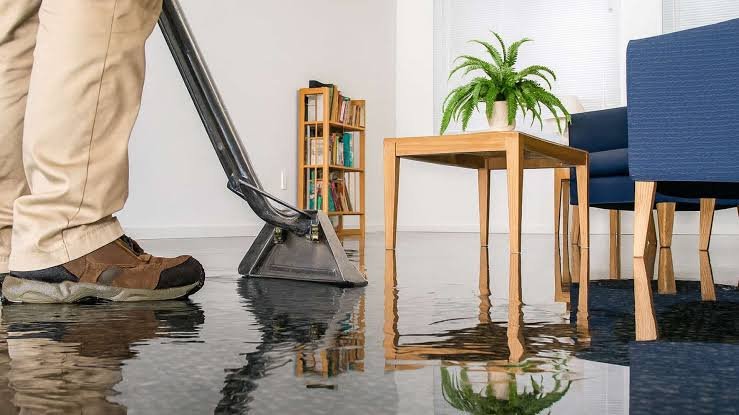
Water is often the most destructive element following a storm, hurricane, or major pipe burst. Left unaddressed, moisture seeps deep into subfloors, drywall, and insulation, creating a breeding ground for toxic mold within just twenty-four to forty-eight hours. Rapid water extraction is the cornerstone of effective water-related disaster cleanup.
Swift Extraction and Drying
Time is of the essence when dealing with standing water. The longer moisture remains in contact with building materials, the more extensive and expensive the ultimate restoration will be.
- Pump Out Standing Water: Use submersible pumps and heavy-duty wet/dry vacuums to remove deep pools of water from basements and living areas as quickly as possible.
- Deploy Industrial Equipment: Standard household fans are rarely sufficient for deep structural drying. Rent or deploy high-powered commercial air movers and industrial dehumidifiers to draw moisture out of framing and drywall.
- Remove Porous Materials: Carpets, padding, and drywall that have absorbed category-three contaminated floodwater cannot be saved and must be safely discarded to prevent bacterial contamination.
Debris Removal and Hazardous Material Management
Once water and moisture levels are stabilized, the physical task of clearing the property begins. Debris management during a large-scale disaster cleanup requires careful sorting, heavy lifting, and adherence to local environmental regulations.
Sorting and Clearing
Clearing debris efficiently means separating items into distinct categories to streamline disposal and salvage efforts.
- Separate Salvageable Items: Carefully evaluate heirlooms, electronics, and solid wood furniture that can be restored or professionally cleaned.
- Manage Hazardous Waste: Paint, chemicals, asbestos, and batteries must be separated from general household waste and disposed of according to local municipal hazardous waste guidelines.
- Establish Clear Pathways: Clear central hallways and exit routes first to ensure that heavy equipment and waste removal crews can move freely throughout the property.
Sanitization and Professional Intervention
Cleaning a disaster-stricken property goes beyond surface-level aesthetics; it requires deep sanitization to eradicate bacteria, viruses, and mold spores that pose severe health risks.
The Role of Professional Restoration Services
While minor incidents can sometimes be managed independently, major structural catastrophes require specialized knowledge and equipment that only certified professionals possess. Partnering with a licensed disaster cleanup company guarantees adherence to industry standards for mold remediation, smoke odor neutralization, and structural drying.
- Advanced Remediation Technology: Professionals utilize thermal imaging cameras to detect hidden moisture behind walls and hydroxyl generators to neutralize persistent smoke and mildew odors at a molecular level.
- Health and Compliance: Trained technicians ensure that biohazards, sewage backups, and chemical spills are handled safely in compliance with health regulations, protecting your family or employees from long-term health complications.
Conclusion and Moving Forward
Recovering from a disaster is an arduous journey that tests your patience, resilience, and organizational skills. By approaching the aftermath with a strategic mindset—prioritizing safety above all, documenting every detail for insurance, acting swiftly to mitigate water damage, and knowing when to call in professional disaster cleanup experts—you can drastically reduce recovery time and costs.
Every structured step you take brings your property one step closer to its former glory. Stay patient, rely on trusted professionals when the damage exceeds DIY capabilities, and focus on rebuilding a safe, secure, and welcoming environment for the future.
 Admin
Admin