
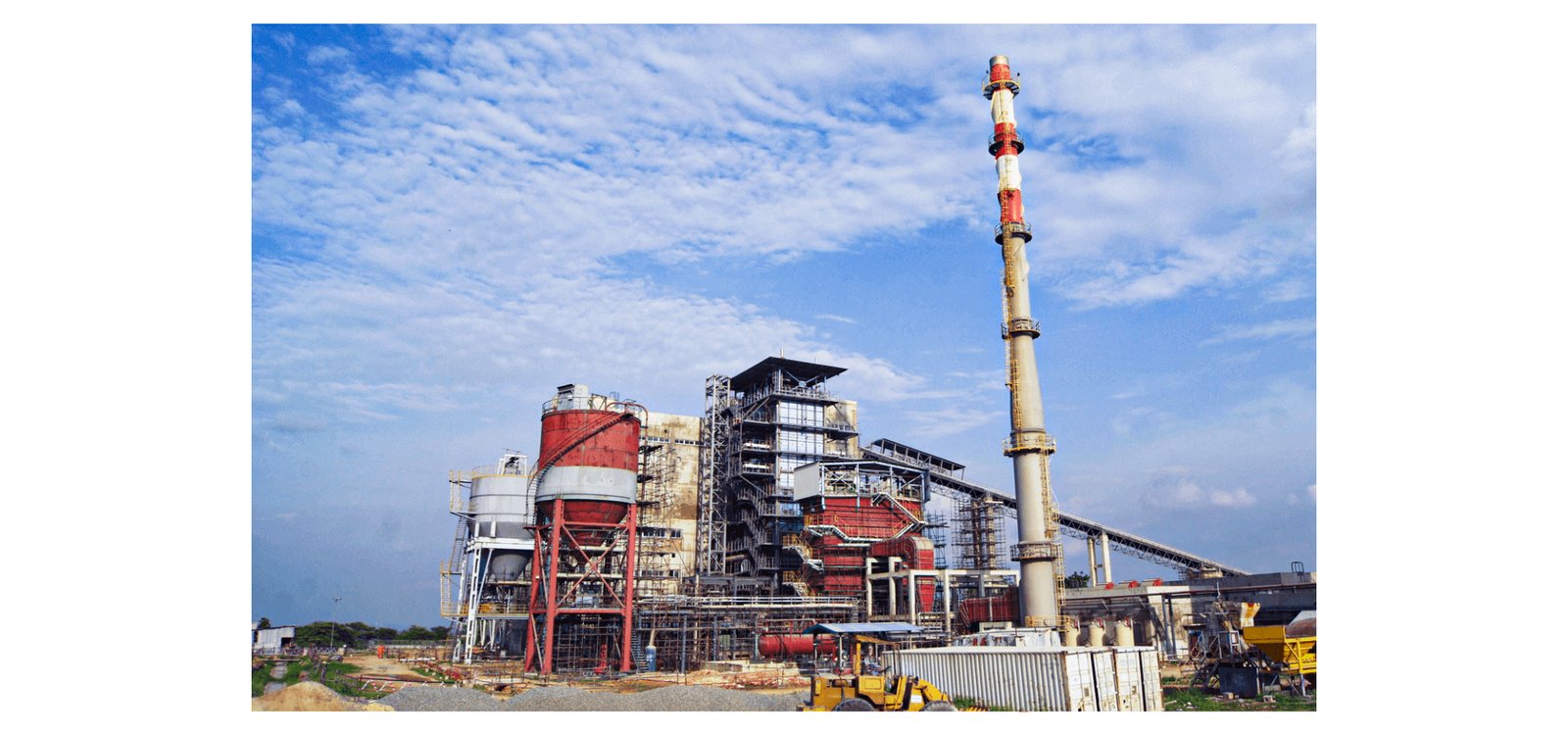
As global energy demand continues to rise and climate concerns intensify, the focus is shifting toward more flexible, resilient, and sustainable systems. One of the most promising developments in modern energy infrastructure is the evolution of small-scale power plant designs. These compact, efficient, and decentralized systems are redefining how electricity is generated, distributed, and consumed.
Unlike traditional large-scale power stations that rely on centralized grids and fossil fuels, small-scale power plant designs prioritize adaptability, renewable integration, and local energy security. They represent a critical step toward future-proofing energy solutions in both urban and rural environments.
The Growing Need for Decentralized Energy Systems
The traditional centralized energy model has served the world for decades. However, it comes with significant limitations, including transmission losses, grid vulnerability, and environmental impact. As climate change accelerates and natural disasters become more frequent, centralized systems face increasing pressure.
Small-scale power plant designs address these challenges by decentralizing energy production. Instead of relying on one massive facility, energy generation is distributed across multiple smaller plants located closer to end users. This approach enhances grid resilience, reduces transmission losses, and enables communities to maintain power during disruptions.
Decentralization also supports energy independence. Remote regions, islands, and developing areas benefit significantly from localized generation systems that do not depend on extensive grid infrastructure.
Core Technologies Driving Innovation
Advancements in small-scale power plant designs are made possible through cutting-edge technologies that improve efficiency, sustainability, and scalability.
Renewable Energy Integration
Modern small-scale power plant designs increasingly rely on renewable energy sources such as solar, wind, biomass, and small hydro systems. Solar photovoltaic micro-plants and small wind turbines are particularly popular due to their scalability and declining installation costs.
Hybrid systems are also becoming common. For example, a small-scale plant may combine solar panels with battery storage and a backup generator to ensure continuous power supply even during low production periods.
Advanced Energy Storage Systems
Energy storage is a cornerstone of future-proof energy infrastructure. Lithium-ion batteries, solid-state batteries, and emerging flow battery technologies are enabling small-scale power plant designs to store excess energy and deliver it during peak demand.
Storage systems enhance reliability and allow renewable-based plants to operate independently of large grids. This capability is especially important for microgrids serving hospitals, data centers, and critical infrastructure.
Microgrid Technology
Microgrids are localized networks that can operate independently or in conjunction with the main grid. Many small-scale power plant designs are integrated within microgrid frameworks, offering flexibility and resilience.
Smart microgrids use real-time monitoring, automated controls, and artificial intelligence to optimize energy production and consumption. They balance supply and demand dynamically, ensuring maximum efficiency and minimal waste.
Efficiency Improvements in Small-Scale Designs
One of the major criticisms of smaller power systems in the past was lower efficiency compared to large centralized plants. However, technological advancements have significantly narrowed this gap.
Combined Heat and Power Systems
Combined Heat and Power (CHP) systems, also known as cogeneration, are widely incorporated into small-scale power plant designs. CHP systems capture waste heat produced during electricity generation and reuse it for heating or industrial processes.
This dual-output approach can achieve efficiency rates of 70% to 90%, far surpassing traditional power plants that waste significant thermal energy.
Modular Construction
Modern small-scale power plant designs often use modular components. Modular plants are pre-fabricated and assembled on-site, reducing construction time and cost.
This approach also allows easy scalability. If energy demand increases, additional modules can be installed without overhauling the entire system. Modularization ensures adaptability in a rapidly evolving energy landscape.
Smart Monitoring and Automation
Digitalization plays a vital role in enhancing plant performance. Advanced sensors, Internet of Things (IoT) devices, and predictive maintenance software enable operators to monitor system health in real time.
These technologies reduce downtime, improve operational efficiency, and extend equipment lifespan. As a result, small-scale power plant designs become more cost-effective and sustainable over the long term.
Environmental Benefits and Sustainability
Sustainability is at the heart of future-proof energy solutions. Small-scale power plant designs contribute to environmental protection in multiple ways.
First, they facilitate renewable energy integration, significantly reducing greenhouse gas emissions. Second, decentralized generation reduces transmission losses, which in turn lowers overall energy waste. Third, many modern systems incorporate low-emission or carbon-neutral fuels such as biogas and green hydrogen.
Some advanced small-scale power plant designs are even exploring carbon capture technologies, further minimizing their environmental footprint. In urban environments, compact plants can be integrated into buildings or industrial zones without causing significant land disruption.
Economic Advantages and Energy Security
From an economic standpoint, small-scale power plant designs offer numerous benefits. They reduce dependence on imported fuels and protect communities from volatile energy prices.
Local energy generation also stimulates regional economies by creating jobs in installation, maintenance, and system management. Businesses benefit from stable and predictable energy costs, enhancing competitiveness.
Energy security is another crucial factor. During grid failures, natural disasters, or geopolitical conflicts, decentralized plants can continue operating independently. Hospitals, emergency services, and critical industries can maintain uninterrupted power supply.
Applications Across Different Sectors
The versatility of small-scale power plant designs makes them suitable for a wide range of applications.
Rural Electrification
In remote and underserved regions, extending national grids can be expensive and impractical. Small-scale power plant designs provide a cost-effective alternative by delivering localized electricity generation.
Solar microgrids and biomass plants are particularly effective in rural settings, improving quality of life and supporting economic development.
Industrial Facilities
Manufacturing plants and industrial parks often require stable and high-capacity energy supply. On-site small-scale power plant designs ensure reliability while reducing energy costs through CHP systems and renewable integration.
Urban Infrastructure
Cities are increasingly adopting distributed energy solutions to enhance resilience. Residential complexes, commercial buildings, and educational institutions can install rooftop solar systems combined with battery storage as part of integrated small-scale power plant designs.
These systems reduce strain on central grids and promote sustainable urban development.
The Role of Policy and Investment
Government policies and private investments are accelerating the adoption of small-scale power plant designs. Incentives such as tax credits, feed-in tariffs, and renewable energy grants encourage businesses and communities to adopt decentralized systems.
Public-private partnerships are also fostering innovation in research and development. Investments in advanced materials, digital control systems, and energy storage technologies continue to improve performance and affordability.
Regulatory frameworks are evolving to accommodate decentralized generation, enabling easier grid interconnection and streamlined approval processes.
Challenges and Future Outlook
Despite their advantages, small-scale power plant designs face certain challenges. Initial capital costs can be high, particularly for advanced storage systems. Regulatory barriers and grid integration complexities may also slow adoption in some regions.
However, ongoing technological innovation and economies of scale are steadily reducing costs. As renewable energy technologies become more affordable and storage systems improve, small-scale power plant designs will become increasingly accessible.
Looking ahead, the integration of artificial intelligence, blockchain-based energy trading, and smart grid technologies will further enhance the efficiency and flexibility of decentralized systems. Communities may soon generate, store, and trade energy locally with minimal reliance on centralized utilities.
Conclusion
The future of energy lies in flexibility, resilience, and sustainability. Small-scale power plant designs represent a transformative shift away from traditional centralized systems toward decentralized, efficient, and environmentally responsible solutions.
By integrating renewable energy, advanced storage technologies, modular construction, and smart automation, small-scale power plant designs are paving the way for a more secure and sustainable energy future. As innovation continues and adoption expands, these systems will play a crucial role in meeting global energy demands while protecting the planet for future generations.