
Nothing tests your patience like a car that won’t start, overheats, or suddenly loses power steering—especially when the shop quote comes back eye-wateringly high. New parts from the dealer or chain stores add up quick: a starter, radiator, or fuel pump can easily hit $200–$600 before labor. For everyday drivers, older trucks, or anything past warranty, that kind of expense feels like highway robbery.
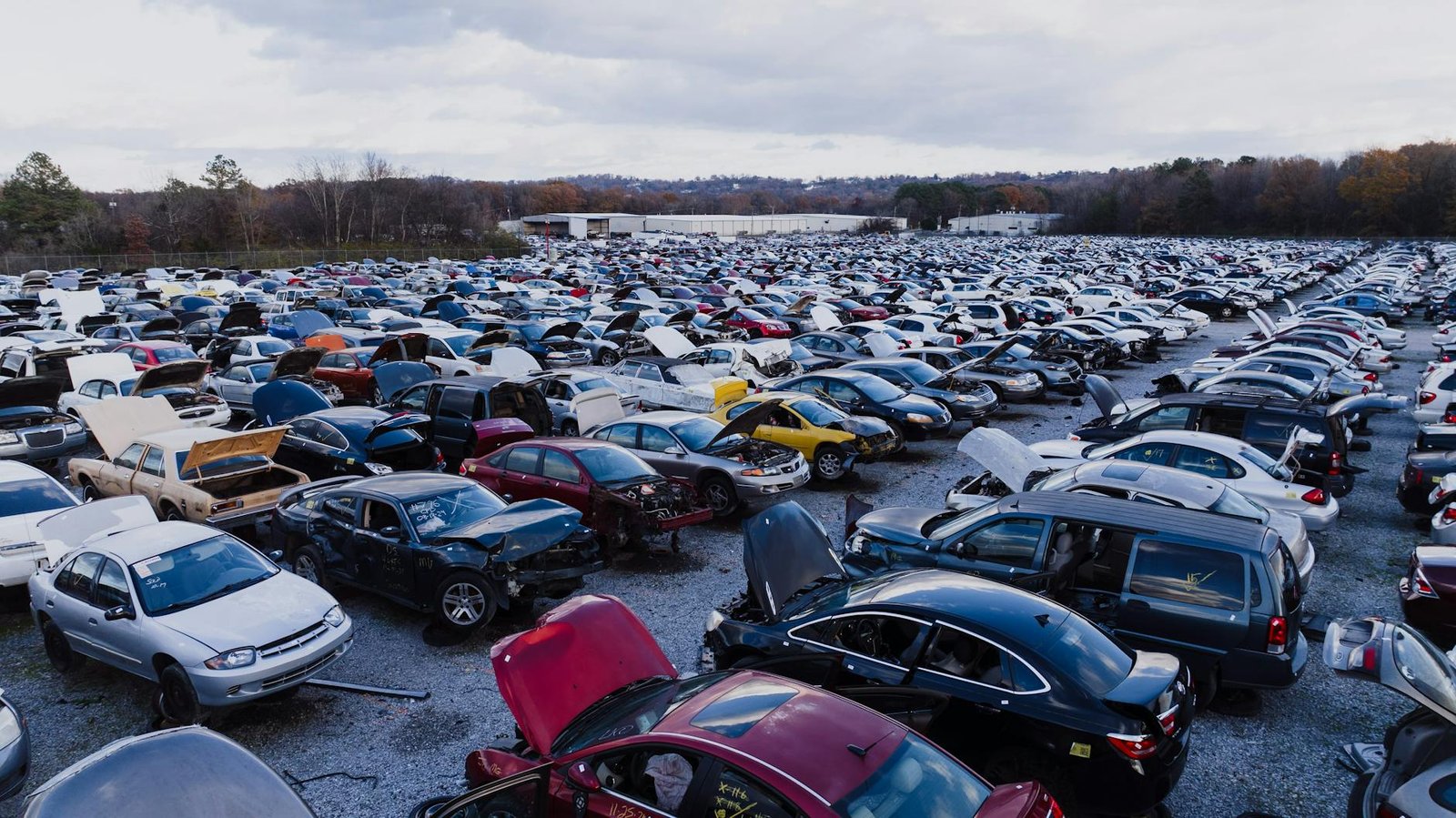
That’s where hunting for junk yard parts near me becomes the go-to move. Local salvage yards—those places with rows of wrecked cars behind chain-link fences—are goldmines for real OEM components pulled straight from vehicles that got totaled but still have good, usable parts. You get factory-original quality at a fraction of new prices—often 50–80% off dealer rates—without the wait for backordered items or the gamble on aftermarket knockoffs that might fail in six months.
In places like West Virginia, where folks tend to keep trucks and SUVs running forever (think F-150s, Silverados, Jeeps, Subarus for the hilly backroads), local yards are stocked with exactly the kind of inventory you need. Whether you’re after a used transmission for a 4×4, an engine for a high-mileage daily driver, a rear axle that’s starting to whine, or even smaller stuff like alternators, headlights, doors, or interior pieces, the nearby yards usually have it. Many offer pull-your-own options (bring tools, pay by the pound or flat fee), or they’ll pull and deliver the part for you—sometimes same-day if they’re not slammed.
The upside of going local? You can inspect the part yourself: spin pulleys, check for leaks, look at fluid condition, feel for play in bearings. No surprises when you get home. Plus, cash-and-carry means no shipping delays, and you’re supporting small businesses in your area. Downside? Inventory varies day to day, some yards are muddy messes in bad weather, and you might need to hunt multiple spots if your exact year/model/engine combo is rare.
But here’s the game-changer: you don’t have to limit yourself to just what’s within driving distance. Online used auto parts platforms have turned this into a nationwide hunt without leaving your couch. These sites aggregate inventory from hundreds of verified salvage yards across the country—including plenty in West Virginia and neighboring states—so you can find low-mileage, tested parts that local yards might not have yet. Search by your vehicle’s make, model, year, and VIN for perfect compatibility, see real photos, donor mileage, condition notes, and often a warranty (30 days free is standard on many). Prices include shipping to your door, usually fast (1–5 days), and returns if it doesn’t fit or work right.
Real-world example: A buddy in the mountains had his 2008 Silverado lose the alternator during a heatwave. Local yard had nothing matching his 5.3L setup. He searched online, found a tested used alternator from a low-mileage donor truck (wrecked in a fender-bender, electricals untouched) for about $120 shipped. Arrived in three days, bolted right in, charged the battery perfectly—no more dim lights or dead starts. Total savings over new: around $300–400.
Why This Combo (Local + Online) Wins Every Time
- Speed vs selection — Need it today? Hit the local junk yard. Need something specific or rare? Go online to tap the full network.
- Savings stack — Used parts are already cheap; skipping middlemen and new manufacturing costs keeps your wallet intact.
- Quality you can trust — Good yards test major components (compression on engines, spin on compressors, gear checks on diffs). Online listings usually show the proof.
- Eco angle — Reusing parts cuts waste, reduces new production emissions, and keeps vehicles on the road longer instead of scrapping them prematurely.
Quick Tips to Nail It
- Always have your VIN handy—saves headaches on fitment for electronics, sensors, or gear ratios.
- For local searches, call ahead or check websites/Facebook pages for current inventory.
- When buying online, prioritize “tested,” “low miles donor,” clear photos, and warranty details.
- Install smart: Flush systems, change fluids/filters, inspect related parts to avoid early failures.
- Avoid red flags like no photos, vague descriptions, or suspiciously low prices with no history.
Whether you’re scouring junk yard parts near me for a fast local fix or browsing online used auto parts for that hard-to-find component, the strategy is the same: go used, go genuine, go smart. Your car stays running, your budget stays happy, and you avoid the new-part sticker shock that makes grown adults wince.
Next time something breaks, start local if you need it quick, or cast a wider net online if you’re after the best deal. Either way, you’ll likely end up with reliable parts at prices that actually make sense.