
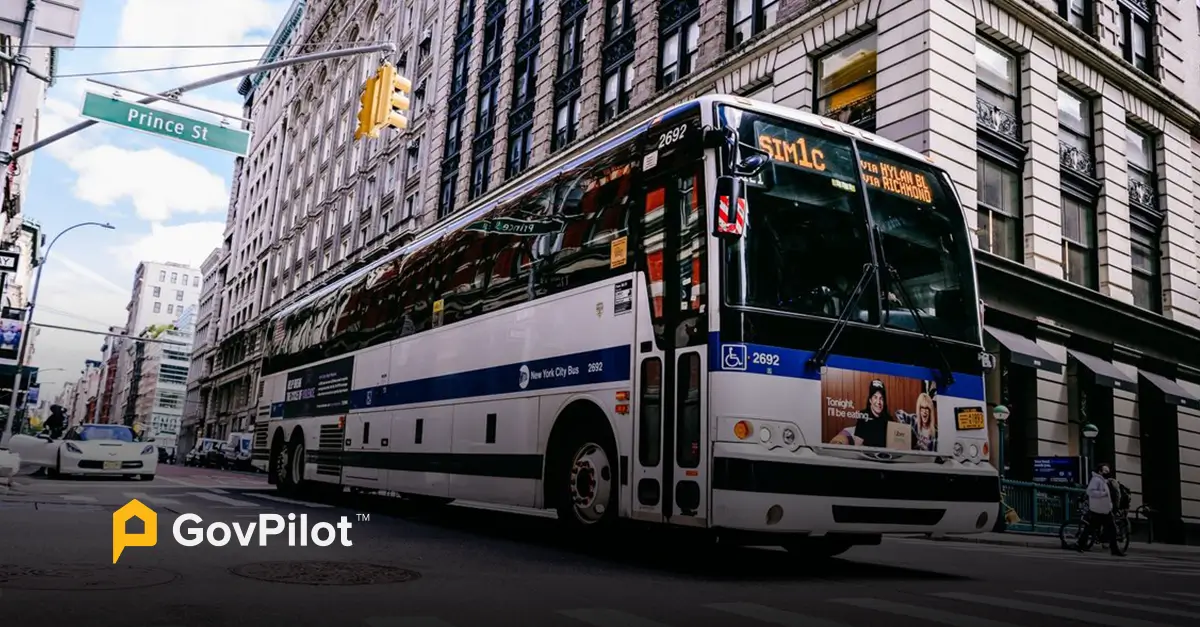
Navigating a busy urban environment can be challenging, but with the right city transportation services, commuting becomes efficient, convenient, and even enjoyable. Modern cities are constantly evolving their transport networks to reduce congestion, promote sustainability, and provide commuters with reliable options. From buses to ride-sharing apps, technology-driven solutions are transforming the way people move around. Here’s a comprehensive look at the top 10 city transportation services that make commuting easy.
1. Bus Networks with Real-Time Tracking
Buses are a cornerstone of city transportation services. Modern bus networks now feature GPS-enabled real-time tracking, allowing passengers to monitor arrival times and avoid long waits at stops. Cities like London, New York, and Singapore have implemented smart bus systems where commuters can access live updates through apps. This not only improves punctuality but also reduces the stress associated with commuting in unpredictable traffic conditions.
2. Metro and Subway Systems
Metro and subway systems are vital for urban mobility, offering a fast, efficient, and reliable alternative to road traffic. These city transportation services operate on dedicated tracks, bypassing street-level congestion. In cities such as Tokyo, Paris, and Mexico City, metros run frequently, cover extensive networks, and connect key residential, commercial, and tourist areas. For daily commuters, metros provide a stress-free option that ensures timely arrival at work or school.
3. Ride-Sharing and Carpool Apps
Ride-sharing platforms have revolutionized city transportation services by making commuting more flexible and personalized. Companies like Uber, Lyft, and BlaBlaCar connect drivers with passengers heading in the same direction, optimizing vehicle use and reducing congestion. Carpooling options not only cut costs but also decrease the number of cars on the road, making city travel more sustainable. Many apps also provide fare transparency, estimated arrival times, and safety features, enhancing the commuter experience.
4. Bike-Sharing Programs
Urban bike-sharing programs are increasingly popular for short-distance commutes, particularly in cities with dedicated cycling lanes. Services like Citi Bike in New York, Santander Cycles in London, and Divvy in Chicago allow commuters to rent bicycles for a few hours or minutes, returning them at convenient docking stations. These city transportation services are eco-friendly, promote physical activity, and provide an excellent alternative for avoiding traffic jams while enjoying the city scenery.
5. Electric Scooters and Micro-Mobility
Electric scooters have emerged as a fast-growing component of city transportation services. Companies such as Lime, Bird, and Spin offer dockless scooters that can be rented via mobile apps, allowing commuters to cover short distances quickly. Micro-mobility options like these complement public transit by providing first-mile and last-mile solutions, helping people reach bus stops or metro stations efficiently. They are particularly effective in reducing reliance on cars for short trips.
6. Commuter Trains and Suburban Rail
For those living on the outskirts of large cities, commuter trains and suburban rail services are indispensable city transportation services. They connect suburban areas with central business districts, often offering spacious seating, Wi-Fi connectivity, and predictable schedules. Cities like Berlin, Mumbai, and New York have extensive commuter train networks that help reduce road congestion, making daily travel more comfortable and time-efficient for thousands of residents.
7. Ferry Services and Water Taxis
In coastal cities or those with rivers, ferry services and water taxis provide an alternative mode of city transportation services. Cities such as Hong Kong, Venice, and Sydney have integrated water-based transport into their urban networks, offering scenic, congestion-free rides. These services are particularly useful for commuters looking to avoid traffic and enjoy a relaxing journey across waterways while maintaining punctuality.
8. Electric and Hybrid Buses
Sustainable city transportation services are becoming a priority for many urban planners, and electric or hybrid buses are leading the way. These buses reduce carbon emissions and noise pollution, making city travel cleaner and quieter. Cities like Shenzhen, Los Angeles, and Amsterdam have invested heavily in electric bus fleets, providing commuters with environmentally responsible options that do not compromise on speed or reliability.
9. Autonomous Shuttles and Smart Transport Solutions
Innovation in city transportation services has introduced autonomous shuttles in several pilot cities around the world. Self-driving shuttles can navigate urban streets, pick up passengers, and operate efficiently without human intervention. While still in developmental stages, these solutions promise safer, more predictable, and potentially more affordable commuting options. Integration with smart traffic management systems ensures optimized routes and minimal delays.
10. Integrated Mobility Apps
The future of city transportation services lies in integration. Mobility apps such as Moovit, Citymapper, and Google Maps consolidate multiple transportation options into a single interface. Commuters can plan journeys combining buses, metros, trains, bikes, and ride-sharing, all while receiving real-time updates and notifications. This integration simplifies travel, reduces wait times, and empowers users to make informed decisions, ensuring a smooth and stress-free commute.
City transportation services have come a long way, blending traditional methods with innovative technology to meet the demands of modern urban life. Efficient public transit, flexible ride-sharing, eco-friendly micro-mobility, and smart planning apps collectively make commuting faster, safer, and more sustainable. Whether you rely on a metro, a bike, a ferry, or an integrated app, these services transform daily travel from a stressful chore into a manageable, even enjoyable, experience.
As urban populations continue to grow, investing in reliable and diverse city transportation services will be crucial to keeping cities moving efficiently. By embracing a combination of public transit, shared mobility, and tech-enabled solutions, commuters can enjoy smoother, greener, and more predictable journeys, redefining the way we navigate our cities.