
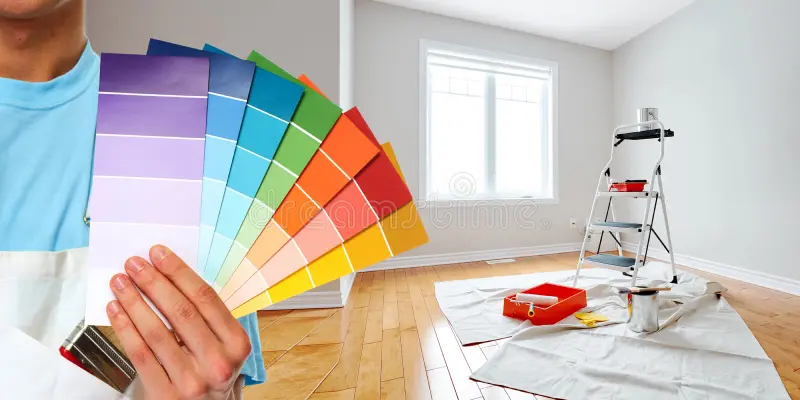
Introduction to Professional Home Painting
Professional home painting is more than just applying color to walls; it is a complete process that enhances the beauty, protection, and value of a property. Whether it is interior spaces or exterior surfaces, a well-executed paint job can transform the look of a home and ensure long-lasting durability. Many homeowners underestimate the importance of preparation, material selection, and technique, which are all critical for achieving flawless results.
In this guide, we will explore expert strategies used in professional home painting to help you achieve smooth finishes, durable coatings, and visually appealing results that stand the test of time.
Importance of Surface Preparation in Professional Home Painting
One of the most essential steps in professional home painting is surface preparation. Without proper preparation, even the highest-quality paint will fail prematurely.
Walls must be cleaned thoroughly to remove dust, grease, and stains. Any cracks or holes should be filled with suitable filler and sanded to create a smooth surface. For exterior surfaces, pressure washing is often used to eliminate dirt, mold, and loose paint.
Priming is another crucial step. A high-quality primer helps the paint adhere better and ensures even color distribution. Skipping this step often leads to patchy finishes and reduced durability.
Professional painters always emphasize that preparation takes more time than painting itself, but it is the foundation of long-lasting results.
Choosing the Right Materials for Professional Home Painting
Selecting the right materials is a key factor in professional home painting. Not all paints are created equal, and choosing the wrong type can lead to fading, peeling, or cracking.
For interior walls, water-based acrylic paints are commonly used due to their low odor, quick drying time, and easy maintenance. For high-moisture areas like kitchens and bathrooms, mold-resistant paints are recommended.
For exterior painting, weather-resistant and UV-protected paints are essential. These paints are designed to withstand harsh sunlight, rain, and temperature changes.
Brushes, rollers, and sprayers also play an important role. High-quality tools ensure smooth application and reduce visible marks or streaks.
Color Selection Strategies in Professional Home Painting
Color selection is not just about personal preference; it is also about lighting, space perception, and mood. In professional home painting, experts carefully analyze the environment before recommending colors.
Light colors such as white, beige, and pastels make small spaces appear larger and brighter. Darker tones add depth and sophistication but should be used carefully in smaller rooms.
Natural lighting affects how colors appear throughout the day. A shade that looks perfect in artificial light may appear different under sunlight. That is why professionals always test paint samples on walls before final application.
Exterior colors should also blend with surroundings and architectural style to create a balanced and attractive appearance.
Application Techniques for Professional Home Painting
The technique used during application significantly impacts the final result. In professional home painting, painters follow systematic methods to ensure even coverage and smooth finishes.
Cutting-in is often done first, where edges and corners are painted with a brush. This is followed by rolling larger wall areas using a roller for uniform texture. Spray painting may be used for large exterior surfaces for faster and more even coverage.
Multiple thin coats are always preferred over one thick coat. Thin layers dry better, adhere more effectively, and reduce the risk of drips or uneven texture.
Drying time between coats is also crucial. Rushing the process can lead to peeling and poor durability.
Interior Professional Home Painting Tips for Better Results
Interior painting requires attention to detail and cleanliness. Furniture should be covered or moved, and floors should be protected with drop cloths.
Proper ventilation is necessary to speed up drying and reduce paint fumes. Painters often work from top to bottom, starting with ceilings before moving to walls and trim.
Accent walls are a popular trend in professional home painting. They help create focal points and add personality to a room without overwhelming the space.
Using washable paint in high-traffic areas such as hallways and living rooms ensures easier maintenance and longer-lasting beauty.
Exterior Professional Home Painting Best Practices
Exterior surfaces face constant exposure to environmental elements, making durability a top priority. In professional home painting, timing plays a crucial role. Painting during dry and mild weather ensures better adhesion and drying.
Cracks in exterior walls should be sealed with waterproof fillers to prevent moisture damage. Wood surfaces require special treatment to prevent rot and insect damage before painting.
Regular maintenance, such as cleaning and touch-ups, helps extend the life of exterior paint. Professionals often recommend repainting exteriors every 5 to 7 years depending on climate conditions.
Common Mistakes to Avoid in Professional Home Painting
Many DIY painters make mistakes that reduce the quality and lifespan of the paint job. One common error is skipping primer, which leads to uneven color and poor adhesion.
Using low-quality paint to save money often results in frequent repainting and higher long-term costs. Another mistake is ignoring weather conditions when painting exteriors.
Improper mixing of paint can also cause inconsistencies in color and texture. Professionals always ensure thorough mixing before application.
Rushing the job is another major issue. Professional home painting requires patience and precision for the best results.
Benefits of Hiring Professional Home Painting Services
While DIY painting may seem cost-effective, hiring experts in professional home painting offers several advantages.
Professionals bring experience, advanced tools, and technical knowledge that ensure high-quality results. They can identify surface issues that homeowners may overlook and provide long-lasting solutions.
Time efficiency is another major benefit. Professionals complete projects faster without compromising quality.
Additionally, professional painters often provide warranties, giving homeowners peace of mind about durability and maintenance.
Maintenance Tips After Professional Home Painting
After completing professional home painting, proper maintenance helps preserve the finish for years. Regular cleaning with mild soap and water prevents dust buildup and staining.
Avoid harsh chemicals that can damage the paint surface. Inspect walls periodically for cracks or chips and address them promptly.
For exterior surfaces, cleaning gutters and preventing water accumulation near walls helps protect paint from moisture damage.
Touch-ups should be done as needed to maintain a fresh and uniform appearance.
Conclusion
Professional home painting is a combination of art, science, and technique. From preparation and material selection to application and maintenance, every step plays a vital role in achieving long-lasting and visually appealing results.
By following expert strategies in professional home painting, homeowners can enhance the beauty, durability, and value of their properties. Whether you are refreshing interiors or protecting exteriors, investing time and effort into proper painting practices ensures results that remain vibrant and strong for years to come.
 Jackson