
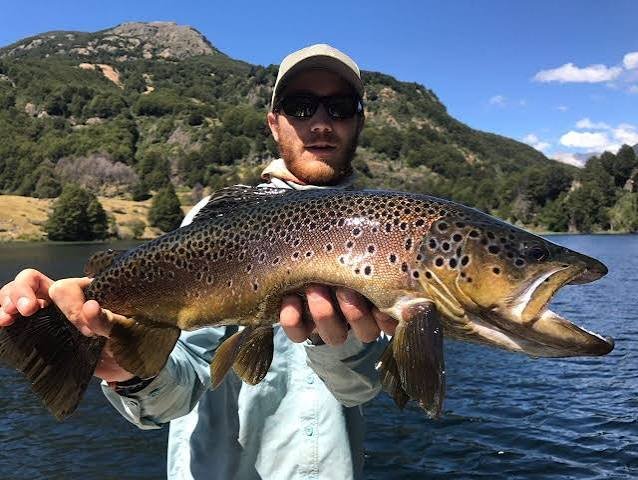
Fly fishing is more than simply casting a line into the water. It is an outdoor experience that combines patience, observation, technique, and appreciation for nature. Whether Stephen Gleave Ancaster you are a beginner planning your first trip or an experienced angler looking for a new destination, careful preparation can make your next fly fishing adventure more enjoyable and rewarding. From selecting the right location to preparing your equipment and understanding local conditions, every part of the planning process can contribute to a successful day on the water.
Choosing the Right Fly Fishing Destination
The first step in planning a fly fishing adventure is choosing a suitable destination. Rivers, streams, lakes, and coastal waters can all offer different fishing experiences. Your choice should depend on the type of fish you want to target, your experience level, the season, and the kind of scenery you prefer.
Mountain streams are often popular for trout fishing and can provide beautiful surroundings and peaceful water. Larger rivers may offer opportunities to target a wider variety of species. Lakes can also be excellent choices, particularly when you want a more relaxed fishing experience.
Research potential destinations before making a decision. Look into fishing regulations, access points, seasonal conditions, and the species commonly found in the area. Local fishing organizations, government wildlife agencies, and experienced anglers can provide useful information.
Understanding the Season
Seasonal conditions can have a major influence on fly fishing. Fish behavior changes throughout the year because of variations in water temperature, insect activity, water levels, and weather.
Before your trip, learn what conditions are typical for the destination during your planned travel dates. Spring can bring increased insect activity in many areas, while summer may provide comfortable conditions but can also bring warmer water. Autumn can offer changing scenery and different fishing patterns.
It is important to understand that regulations can also change depending on the season. Some waters may have specific opening and closing dates, catch limits, or restrictions on certain fishing methods. Always check the current rules before fishing.
Selecting Your Fly Fishing Equipment
Having suitable equipment can make the experience much easier. A basic fly fishing setup generally includes a fly rod, reel, fly line, leader, tippet, and flies. The correct equipment depends on the species and environment you plan to fish.
For smaller streams, a lighter setup can provide greater flexibility and make casting easier in tight spaces. Larger rivers and stronger fish may require heavier equipment. If you are unsure about what to bring, ask a local fly shop or experienced angler for recommendations.
Pack extra leaders, tippet material, and flies because small items can be lost or damaged during a fishing trip. A pair of forceps, line nippers, and a fly box can also be useful additions to your gear.
Building a Practical Fly Selection
Choosing flies is an important part of preparing for a fly fishing adventure. Different fish respond to different insects, baitfish, and other food sources. Successful anglers often observe what is happening around the water before selecting a fly.
Carry a variety of patterns and sizes rather than relying on a single option. Dry flies, nymphs, and streamers can each be useful under different conditions. Matching the appearance and size of available food sources can improve your chances of attracting fish.
A local fly shop can be particularly helpful because staff members often understand the current conditions. They may recommend patterns that are working in nearby waters and explain how anglers are presenting them.
Checking Weather and Water Conditions
Weather can affect both fishing conditions and personal comfort. Before leaving for your trip, check the forecast and prepare for changes. Temperatures can vary considerably during the day, particularly in mountainous areas.
Water conditions are equally important. Recent rainfall can increase water levels and change clarity. Strong winds can make casting more difficult, while bright sunlight may influence fish behavior.
Instead of focusing only on whether the weather is pleasant, consider how conditions may affect the fish and your ability to safely reach and navigate the water.
Preparing Clothing and Personal Gear
Comfort is an important part of any outdoor adventure. Wear clothing appropriate for the expected temperature and conditions. Layering is often a practical approach because it allows you to adjust as the weather changes.
Depending on the location, you may need waders, waterproof footwear, a rain jacket, sunglasses, a hat, and sun protection. Polarized sunglasses can also make it easier to see beneath the surface and reduce glare.
Bring enough water and food for the duration of your trip. A small backpack can hold snacks, extra clothing, fishing accessories, a first-aid kit, and other essentials.
Learning About the Water Before You Arrive
Understanding the layout of the fishing area can save time. Study maps and identify public access points, parking areas, trails, bridges, and potential fishing locations.
Look for features that may attract fish, such as deeper pools, submerged structures, current breaks, undercut banks, and areas where insects are likely to gather. However, avoid assuming that a location will always produce fish. Conditions change, and part of fly fishing is learning to read the water on the day of your trip.
If you are unfamiliar with the area, consider hiring a qualified local guide. A guide can help you understand local techniques, regulations, and water conditions while making the experience more organized.
Practicing Your Casting
A little practice before the trip can make a noticeable difference. Spend time working on basic casting techniques so you feel comfortable when you reach the water.
Practice accuracy, line control, and gentle presentations. Fly fishing often requires placing a fly in a specific area without disturbing the water unnecessarily.
You do not need to make extremely long casts to enjoy fly fishing. Accurate and controlled casting is often more useful than simply trying to reach the greatest distance.
Respecting Nature and Other Anglers
Responsible fishing helps protect the environment and preserve opportunities for future anglers. Follow all local regulations and respect private property and designated access areas.
Avoid leaving fishing line, packaging, or other waste behind. Handle fish carefully when practicing catch-and-release fishing, and minimize the amount of time they spend out of the water.
It is also important to respect other anglers. Give people enough space, avoid moving into an occupied fishing area without permission, and communicate politely when sharing popular stretches of water.
Creating a Flexible Trip Plan
While planning is important, flexibility can make your adventure more enjoyable. Fish may not behave as expected, weather can change, and certain locations may be busier than anticipated.
Create a general schedule but leave room to adjust your plans. If one section of water is not producing results, consider exploring another legal access point. If conditions become uncomfortable or unsafe, changing plans is always preferable to taking unnecessary risks.
The goal is not simply to catch a certain number of fish. The experience of being outdoors, learning new techniques, and spending time near the water is an important part of fly fishing.
Final Thoughts
Planning your next fly fishing adventure involves more than packing a rod and choosing a destination. Researching the water, understanding seasonal conditions, preparing suitable equipment, selecting appropriate flies, checking the weather, and respecting the environment can all contribute to a better experience.
Whether you are exploring a familiar local stream or traveling to a completely new destination, preparation gives you confidence while leaving room for discovery. With the right approach, your next fly fishing adventure can become an enjoyable opportunity to improve your skills, appreciate nature, and create lasting outdoor memories.