
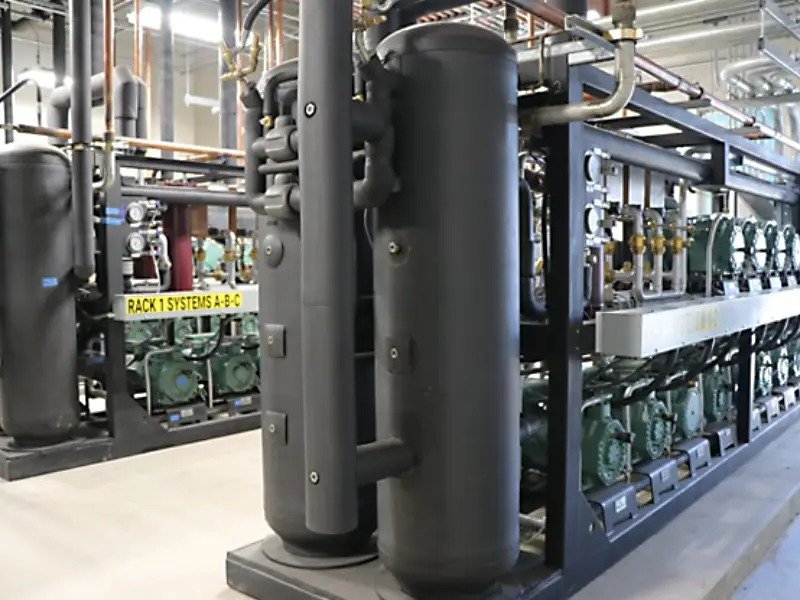
The global push for sustainability and energy efficiency has made natural refrigerants a preferred choice for businesses seeking eco-friendly solutions. Upgrading to refrigeration equipment with natural refrigerants is not just an environmentally responsible decision but also a strategic move that can reduce operating costs and improve system performance over time. This article explores the reasons, challenges, and practical steps for transitioning your refrigeration systems to natural refrigerants.
Understanding Natural Refrigerants
Natural refrigerants are substances found in nature that have low environmental impact compared to traditional synthetic refrigerants like hydrofluorocarbons (HFCs). Common natural refrigerants include carbon dioxide (CO₂), ammonia (NH₃), and hydrocarbons such as propane (R-290) and isobutane (R-600a). These substances have negligible ozone depletion potential (ODP) and very low global warming potential (GWP), making them ideal alternatives in the refrigeration industry.
Adopting refrigeration equipment with natural refrigerants is increasingly seen as essential for companies looking to meet regulatory requirements and reduce their carbon footprint. Governments and environmental organizations worldwide are encouraging industries to phase out high-GWP refrigerants, making the transition to natural options both timely and necessary.
Benefits of Switching to Natural Refrigerants
Upgrading to refrigeration equipment with natural refrigerants offers multiple advantages:
- Environmental Impact Reduction: Natural refrigerants contribute significantly less to climate change and ozone depletion, helping businesses comply with environmental regulations and corporate sustainability goals.
- Energy Efficiency: Many natural refrigerants, particularly CO₂ and ammonia, operate efficiently under the right system configurations. This can lead to lower energy consumption and reduced utility costs over time.
- Cost Savings: Although initial equipment investment may be higher, the long-term benefits, including lower energy bills, reduced refrigerant leakage penalties, and fewer regulatory compliance issues, make natural refrigerants cost-effective.
- Future-Proofing Your Business: As global regulations tighten on synthetic refrigerants, businesses using natural refrigerants are better positioned to adapt without incurring additional retrofitting costs.
- Enhanced Performance: Some natural refrigerants, like CO₂, allow for improved heat transfer properties, which can enhance the cooling capacity of refrigeration systems.
Evaluating Your Existing System
Before upgrading, it is essential to assess the existing refrigeration equipment. Conducting a thorough evaluation will determine the feasibility of retrofitting versus complete replacement. Key factors to consider include:
- Age and Condition of Equipment: Older systems may not be compatible with natural refrigerants due to design limitations.
- Type of Refrigerant Currently in Use: Some synthetic refrigerants can be replaced with natural alternatives with minimal modifications, while others may require new compressors, piping, or safety systems.
- Operating Pressures and Temperatures: Natural refrigerants such as CO₂ operate at higher pressures, which may require reinforced components and updated safety protocols.
A detailed assessment by a qualified refrigeration technician ensures that you select the right equipment and avoid costly mistakes during the transition.
Choosing the Right Natural Refrigerant
Selecting the most suitable natural refrigerant depends on your specific application, system type, and regulatory requirements:
- CO₂ (R-744): Excellent for low- and medium-temperature systems, particularly in commercial and industrial refrigeration. It offers high efficiency but operates at high pressures.
- Ammonia (R-717): Widely used in industrial refrigeration due to its excellent thermodynamic properties and energy efficiency. However, it is toxic and requires strict safety measures.
- Hydrocarbons (R-290, R-600a): Ideal for small to medium refrigeration units, including commercial freezers and refrigerators. They are flammable, necessitating adherence to safety standards.
The choice of refrigerant must balance environmental impact, energy efficiency, safety, and operational requirements.
Retrofitting vs. New Equipment
When upgrading to refrigeration equipment with natural refrigerants, businesses typically choose between retrofitting existing systems or installing new equipment:
- Retrofitting: This involves modifying existing equipment to accommodate natural refrigerants. Retrofitting can be cost-effective but may be limited by the system’s age, pressure tolerances, and design. It often requires new seals, compressors, and safety features.
- New Equipment: Installing new refrigeration systems designed for natural refrigerants ensures optimal performance and safety. Although the upfront investment is higher, new systems can offer superior energy efficiency and compliance with current environmental regulations.
The decision depends on a careful cost-benefit analysis and long-term operational strategy.
Safety Considerations
Natural refrigerants are generally safer for the environment, but some pose operational hazards:
- CO₂: Non-flammable but can cause asphyxiation in confined spaces if leaked.
- Ammonia: Highly efficient but toxic; requires robust leak detection and ventilation systems.
- Hydrocarbons: Flammable, necessitating explosion-proof equipment and proper ventilation.
Complying with safety standards such as those set by the American Society of Heating, Refrigerating and Air-Conditioning Engineers (ASHRAE) or local regulations is essential during installation and maintenance.
Steps to Upgrade Your Refrigeration System
- Audit Existing Systems: Identify which units can be retrofitted and which require full replacement. Analyze current energy usage and refrigerant inventory.
- Consult with Experts: Work with certified refrigeration engineers who specialize in natural refrigerants to design a transition plan.
- Select Appropriate Equipment: Choose refrigeration equipment with natural refrigerants that meets your cooling capacity, safety standards, and efficiency goals.
- Plan for Downtime: Schedule upgrades or installations to minimize disruption to business operations.
- Install Safety Systems: Include leak detection, ventilation, and pressure relief systems appropriate to the chosen refrigerant.
- Train Staff: Ensure that maintenance personnel are trained in handling natural refrigerants safely and efficiently.
- Monitor and Optimize: After installation, continuously monitor system performance to identify energy-saving opportunities and ensure regulatory compliance.
Overcoming Common Challenges
Transitioning to refrigeration equipment with natural refrigerants can present obstacles:
- High Initial Costs: Mitigated by evaluating total lifecycle costs, including energy savings and reduced regulatory risks.
- Technical Complexity: Overcome through expert consultation and staff training.
- Regulatory Compliance: Stay updated with local, national, and international standards governing refrigerants.
- Supply and Availability: Ensure a reliable supply of natural refrigerants and compatible components before upgrading.
Proper planning and professional guidance make these challenges manageable and the transition smoother.
The Future of Refrigeration
The demand for refrigeration equipment with natural refrigerants is expected to grow as environmental awareness and stricter regulations drive adoption. Companies that upgrade now can benefit from enhanced energy efficiency, reduced operational costs, and improved sustainability credentials. Integrating natural refrigerants is not just a compliance measure but a forward-thinking strategy that positions businesses for long-term success in a low-carbon economy.
Conclusion
Upgrading to refrigeration equipment with natural refrigerants is a critical step toward sustainability, energy efficiency, and regulatory compliance. By understanding the types of natural refrigerants, evaluating existing systems, and carefully planning the transition, businesses can achieve a seamless upgrade that offers operational, financial, and environmental benefits. With careful execution, this move can reduce your carbon footprint, lower energy costs, and prepare your operations for a future where eco-friendly solutions are the standard.
Making the switch today ensures that your refrigeration systems are not only efficient and safe but also aligned with the growing global emphasis on sustainable industrial practices.