
The aerospace industry demands the highest levels of precision, reliability, and performance in every component it produces. Whether it is the structural framework of an aircraft, engine components, or intricate parts for satellites, precision is not optional—it is critical. CNC precision machining has emerged as a cornerstone technology that meets these rigorous demands, offering unmatched accuracy, repeatability, and efficiency in the production of aerospace components.
Understanding CNC Precision Machining
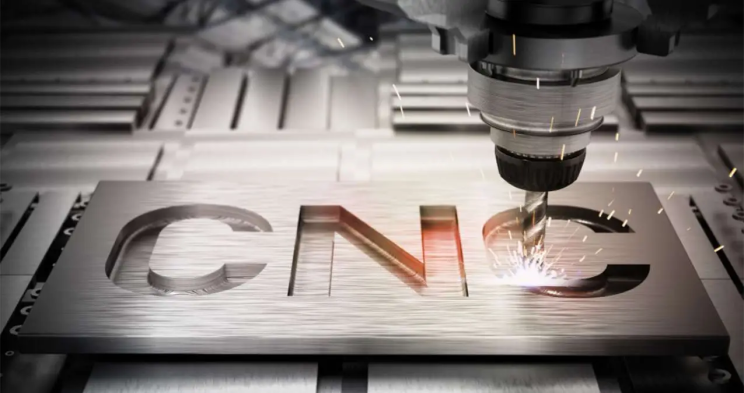
CNC precision machining refers to the process of using computer-controlled machines to cut, shape, and finish materials with extraordinary accuracy. These machines operate based on programmed instructions, allowing operators to achieve highly intricate designs that would be impossible with traditional manual machining. For aerospace manufacturing, where tolerances are often measured in microns, CNC precision machining provides the reliability and consistency that are essential to safety and performance.
The process typically involves subtractive manufacturing techniques, where material is carefully removed from a solid block using tools such as lathes, mills, and routers. The integration of computer software ensures that each cut is precisely aligned, reducing human error and minimizing waste. The combination of advanced materials, sophisticated software, and highly accurate machinery makes CNC precision machining a vital part of modern aerospace production.
Enhancing Component Accuracy and Reliability
In aerospace manufacturing, even minor deviations in part dimensions can lead to catastrophic outcomes. CNC precision machining ensures components meet exact specifications every time. The use of high-precision tools and advanced measurement systems allows manufacturers to achieve tight tolerances, sometimes as small as a few microns, which is essential for engine parts, landing gear, and control surfaces.
This level of precision also ensures reliability. Aerospace components must withstand extreme temperatures, pressures, and mechanical stresses. CNC precision machining enables the creation of parts with uniform strength and structural integrity, reducing the risk of failure during operation. The ability to produce consistent, high-quality components improves overall safety and extends the lifespan of aircraft systems.
Supporting Complex Aerospace Designs
Modern aerospace designs are increasingly complex, with components featuring intricate geometries, internal channels, and lightweight structures. CNC precision machining is uniquely suited to handle these challenges. Advanced multi-axis machines can create shapes that would be impossible using traditional methods. For example, turbine blades often have complex curves and cooling channels that require precise milling and drilling. CNC machines can produce these features with exacting precision, enhancing engine efficiency and performance.
Additionally, CNC precision machining supports the use of advanced materials such as titanium, Inconel, and carbon fiber composites, which are common in aerospace applications. These materials are often difficult to machine manually due to their hardness or tendency to deform under stress. CNC technology allows for controlled cutting speeds and tool paths, minimizing material distortion and ensuring optimal mechanical properties.
Increasing Production Efficiency
The aerospace industry operates under tight schedules and stringent quality standards. CNC precision machining not only improves accuracy but also boosts production efficiency. Once a machine is programmed, it can operate continuously with minimal supervision, producing large volumes of identical components quickly. Automated tool changers, high-speed spindles, and real-time monitoring systems reduce downtime and optimize workflow.
This efficiency is particularly valuable for aerospace manufacturers who need to balance high-quality production with cost constraints. CNC precision machining reduces material waste, lowers labor costs, and accelerates production timelines, allowing companies to meet delivery deadlines without compromising quality.
Enabling Rapid Prototyping and Innovation
CNC precision machining also plays a critical role in aerospace research and development. Engineers can use CNC technology to create prototypes rapidly, testing new designs and materials before full-scale production. This capability fosters innovation, allowing aerospace companies to experiment with lightweight structures, fuel-efficient engine components, and novel aerodynamic features.
Rapid prototyping also facilitates iterative testing, where designs can be refined and optimized based on real-world performance data. By integrating CNC precision machining into the R&D process, aerospace manufacturers can reduce development cycles, bring products to market faster, and maintain a competitive edge.
Ensuring Compliance with Aerospace Standards
The aerospace industry is highly regulated, with strict standards governing component quality, traceability, and certification. CNC precision machining supports compliance with these regulations by providing detailed digital records of every part produced. Machine programs, tool paths, and inspection data can be logged and traced, ensuring that every component meets industry standards such as AS9100 or ISO 9001.
This traceability is crucial in the event of audits, inspections, or recalls. Manufacturers can demonstrate that each part was produced under controlled conditions and adheres to exact specifications. This level of accountability enhances safety, builds trust with clients, and ensures regulatory compliance across global markets.
The Future of CNC Precision Machining in Aerospace
Advancements in CNC technology continue to transform aerospace manufacturing. The integration of artificial intelligence, machine learning, and predictive analytics allows machines to optimize cutting paths, reduce tool wear, and detect potential defects in real-time. Hybrid manufacturing techniques, combining additive and subtractive processes, are enabling the production of even more complex and lightweight structures.
As aerospace demands grow, CNC precision machining will remain at the forefront of innovation. Its ability to deliver unmatched precision, support complex designs, improve efficiency, and ensure regulatory compliance positions it as an indispensable tool for the future of aerospace manufacturing.
Conclusion
CNC precision machining has revolutionized aerospace manufacturing by providing unparalleled accuracy, consistency, and efficiency. From producing intricate engine components to enabling rapid prototyping and innovation, CNC technology ensures that aerospace parts meet the highest standards of performance and safety. Its role extends beyond production, influencing design capabilities, material utilization, and regulatory compliance. As technology continues to evolve, CNC precision machining will remain a critical enabler of progress in the aerospace industry, supporting the creation of safer, more efficient, and more advanced aircraft for the future.