
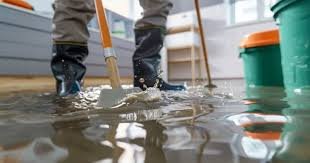
Water damage cleaning is a critical process that requires precision, speed, and knowledge. Many homeowners and even some professionals make errors during the restoration process that can worsen the damage or create health hazards. Understanding these common mistakes and learning how to avoid them can save time, money, and stress while protecting your property and family.
Ignoring the Source of Water Damage
One of the most common mistakes in water damage cleaning is failing to identify and address the source of the water. Cleaning up the visible water without fixing the underlying problem is like putting a bandage on a wound that keeps reopening. Whether it’s a leaking pipe, roof damage, or flooding from natural disasters, the source must be identified and repaired first. Otherwise, your water damage cleaning efforts may be wasted, and you risk recurring problems.
Delaying the Cleanup Process
Time is critical when it comes to water damage cleaning. Many people make the mistake of waiting too long to start the cleanup process. Delays can lead to mold growth, structural weakening, and lingering odors. Even a few hours can make a significant difference. As soon as water intrusion occurs, it’s essential to begin water damage cleaning immediately to prevent the situation from escalating.
Using Improper Equipment
Another frequent error in water damage cleaning is relying on household items like mops, towels, or small fans for major water damage. While these tools may help with minor spills, professional-grade equipment such as industrial wet-dry vacuums, dehumidifiers, and air movers are essential for effective water removal and drying. Using inadequate equipment can prolong the drying process and increase the likelihood of mold and mildew formation.
Overlooking Hidden Moisture
Water often penetrates areas that are not visible, such as behind walls, under floors, or inside cabinets. Ignoring hidden moisture is a serious mistake in water damage cleaning. Failing to detect it can lead to structural damage, warped wood, and hidden mold colonies. Using moisture meters and infrared cameras can help detect hidden water pockets, ensuring a thorough cleanup process.
Neglecting Mold Prevention
Mold growth is a major risk associated with water damage. Many people underestimate how quickly mold can develop after water exposure. Without proper water damage cleaning techniques, mold can begin to form within 24 to 48 hours. Applying antimicrobial treatments, ensuring complete drying, and monitoring humidity levels are critical steps in preventing mold and protecting indoor air quality.
Attempting DIY Water Damage Cleaning on Major Floods
While small spills or leaks may be manageable, large-scale water damage is a different story. One common mistake is attempting DIY water damage cleaning after severe flooding or pipe bursts. Professionals have specialized training and equipment to handle contaminated water, structural damage, and health hazards. Attempting to manage these situations without proper expertise can result in personal injury or worsening of the damage.
Ignoring Electrical Safety
Water and electricity are a dangerous combination, yet many people overlook this risk during water damage cleaning. Entering areas with standing water while electrical circuits are still live can result in serious injury or death. Before starting any cleanup, ensure that the electricity is turned off in affected areas and take precautions with appliances and wiring that may have come into contact with water.
Improper Drying Techniques
Drying is a crucial step in water damage cleaning, but it’s often done incorrectly. Simply allowing areas to air dry is insufficient, especially in large or enclosed spaces. Using fans, dehumidifiers, and professional drying equipment ensures that moisture is fully removed. Incorrect drying can lead to warped floors, damaged furniture, and long-term structural issues.
Failing to Document Damage for Insurance
Many homeowners neglect to document water damage thoroughly before starting cleanup. This mistake can create issues when filing insurance claims. Taking detailed photos, videos, and written notes of the affected areas is essential. Proper documentation helps ensure you receive the compensation needed for repairs and water damage cleaning services.
Using Harsh Chemicals Incorrectly
Some people attempt to disinfect water-damaged areas with strong chemicals without understanding their proper use. Using harsh cleaners inappropriately can damage surfaces or pose health risks. It’s important to follow manufacturer guidelines or use professional-grade solutions recommended for water damage cleaning. Proper cleaning solutions help eliminate bacteria, mold spores, and other contaminants without harming your property.
Overlooking Furniture and Belongings
Water damage doesn’t only affect floors and walls; furniture, electronics, and personal belongings are also at risk. Leaving them untreated or exposed to moisture can result in permanent damage. Removing items promptly, drying them thoroughly, and treating them with appropriate cleaning techniques is an important aspect of water damage cleaning that should not be overlooked.
Neglecting Airflow and Ventilation
Proper airflow is vital for water damage cleaning and drying. Many people underestimate the importance of ventilating affected areas. Keeping windows open and using fans or HVAC systems can help, but in severe cases, professional equipment ensures that moisture is efficiently removed from walls, floors, and ceilings. Lack of ventilation can prolong drying time and increase the risk of mold growth.
Not Following Up After Cleanup
Completing the initial cleanup does not mean the risk is entirely gone. Many people make the mistake of not monitoring the area after water damage cleaning. Residual moisture can remain in hidden areas, leading to mold or structural problems later. Follow-up inspections and moisture checks help confirm that the cleanup was effective and long-lasting.
Conclusion
Water damage cleaning is a complex task that requires careful attention to detail, proper equipment, and timely action. Common mistakes such as ignoring the source, delaying cleanup, improper drying, and neglecting mold prevention can worsen damage and increase costs. By understanding these errors and taking steps to avoid them, homeowners can protect their property, maintain safety, and ensure effective restoration. Hiring professionals when needed and adhering to best practices in water damage cleaning ensures that your home recovers quickly and safely from water-related incidents.