
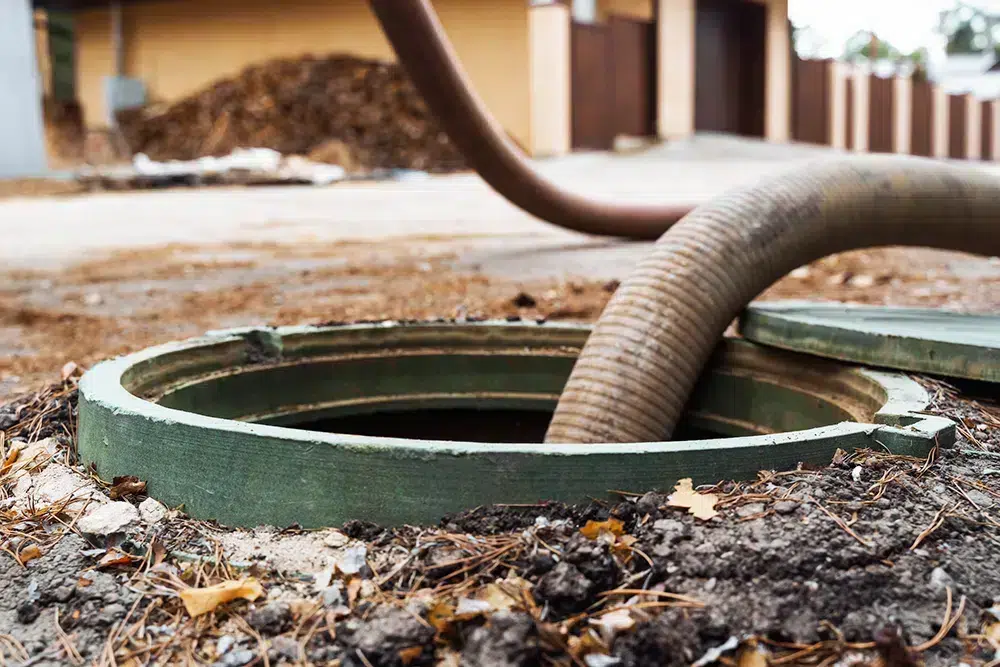
Sewer backups are among the most unpleasant and hazardous problems a homeowner can face. When wastewater flows backward through pipes and drains, it can quickly turn a safe home environment into a serious health risk. Many homeowners ask the same question: are sewer backups dangerous The short answer is yes. Sewer backups can expose families and pets to harmful bacteria, viruses, toxic gases, and contaminated water that may cause illness and long-term damage to property.
Understanding the risks and knowing how to respond can help protect your household. In this article, we will explore why sewer backups occur, the dangers they present to families and pets, and the steps you should take if one happens in your home.
What Is a Sewer Backup?
A sewer backup happens when wastewater from sinks, toilets, or drains cannot properly flow through the plumbing system and instead moves back into the home. This contaminated water may enter through floor drains, toilets, bathtubs, or basement sinks. It often carries sewage, debris, and harmful microorganisms.
Several factors can lead to a sewer backup, including clogged pipes, tree root intrusion, damaged sewer lines, heavy rainfall, or municipal sewer system overload. Regardless of the cause, the result is the same: dirty water entering your living space and creating a potentially dangerous situation.
Many homeowners underestimate the seriousness of this issue and ask themselves, are sewer backups dangerous or simply messy inconveniences. In reality, they pose multiple health risks that should never be ignored.
Health Risks for Families
One of the biggest concerns with sewage exposure is the presence of harmful pathogens. Raw sewage contains bacteria, viruses, parasites, and fungi that can cause a variety of illnesses. When sewage enters a home, these microorganisms can spread through direct contact or contaminated surfaces.
Bacterial Infections
Sewage often contains bacteria such as E. coli, Salmonella, and other disease-causing organisms. These bacteria can lead to stomach infections, diarrhea, vomiting, and severe abdominal pain. Children are especially vulnerable because they are more likely to touch contaminated surfaces and then put their hands in their mouths.
Viral Illnesses
Viruses found in sewage can also spread disease. Exposure may lead to infections such as gastroenteritis or other viral illnesses that affect the digestive system. This is another reason why the question are sewer backups dangerous should always be taken seriously.
Skin and Respiratory Problems
Contact with contaminated water can cause skin irritation, rashes, and infections. Additionally, airborne particles from sewage can affect indoor air quality. Breathing in these particles may trigger respiratory problems, particularly for people with asthma or weakened immune systems.
Toxic Gases
Sewer gases like methane and hydrogen sulfide can build up during a backup. These gases produce strong odors and may cause headaches, dizziness, nausea, or breathing problems when inhaled in high concentrations.
Why Sewer Backups Are Dangerous for Pets
Pets are often even more vulnerable than humans during a sewage backup. Dogs and cats naturally explore their environment by sniffing and licking objects. When contaminated water is present, pets can easily ingest harmful bacteria or parasites.
Many pet owners do not realize how serious the situation can be until their animal becomes sick. So when asking are sewer backups dangerous, it is important to remember that pets face unique risks.
Ingestion of Contaminated Water
Pets may drink or lick sewage water without hesitation. This can expose them to bacteria, viruses, and parasites that cause vomiting, diarrhea, and severe infections.
Paw and Skin Exposure
Walking through contaminated water allows bacteria to cling to paws and fur. When pets groom themselves, they may swallow these microorganisms and become ill.
Exposure to Harmful Chemicals
Sewer water sometimes contains cleaning chemicals, pesticides, and other toxic substances that have entered the drainage system. These chemicals can harm pets if they are ingested or absorbed through the skin.
For these reasons, homeowners should keep animals away from affected areas until cleanup and disinfection are complete.
Property Damage Caused by Sewer Backups
Beyond health risks, sewer backups can also cause significant damage to your home. Contaminated water can soak into flooring, carpets, walls, and furniture. Porous materials absorb sewage quickly and become difficult to clean or salvage.
Basements are especially vulnerable since they often contain floor drains that are connected to the main sewer line. If wastewater backs up through these drains, it can spread rapidly across the floor.
Structural damage may also occur if the water remains for an extended period. Moisture trapped in walls and floors can encourage mold growth, which creates another health hazard for families and pets.
Signs of a Sewer Backup
Recognizing early warning signs can help homeowners respond quickly before the situation becomes worse. Some common signs include:
Slow Drains
If multiple drains in the home start draining slowly, it may indicate a blockage in the main sewer line.
Gurgling Sounds
Unusual bubbling or gurgling sounds from toilets and drains can signal air trapped in the pipes due to a blockage.
Sewage Odors
A strong sewage smell inside the home is a clear warning sign that something is wrong with the drainage system.
Water Backing Up in Drains
One of the most obvious signs occurs when wastewater starts coming back through basement drains or toilets.
When these symptoms appear, many homeowners start wondering again, are sewer backups dangerous. The answer is still yes, and immediate action should be taken.
What to Do During a Sewer Backup
If sewage begins entering your home, quick action can help reduce damage and protect your family.
First, keep children and pets away from the affected area. Contaminated water should never be touched without protective gear.
Second, stop using all plumbing fixtures. Running water can worsen the backup and push more sewage into the home.
Third, shut off electricity in the affected area if it is safe to do so. Water and electricity together can create a dangerous situation.
Finally, contact professional cleanup specialists who have the equipment and training to remove sewage safely and disinfect the area properly.
Why Professional Cleanup Is Important
Cleaning up sewage is not a typical household cleaning job. Because of the health risks involved, trained professionals should handle the process.
Professional cleanup teams use specialized equipment such as industrial pumps, protective gear, and high-grade disinfectants to remove contamination. They also dry and sanitize affected surfaces to prevent mold growth.
Attempting to clean sewage without proper tools and protective equipment can expose homeowners to dangerous pathogens. This is another reason why people asking are sewer backups dangerous should understand the seriousness of the situation.
Preventing Sewer Backups in Your Home
Although not every backup can be prevented, homeowners can take steps to reduce the risk.
Regular plumbing inspections help identify damaged pipes or blockages before they become severe. Avoid flushing items such as wipes, paper towels, or grease down drains, as these materials can clog pipes.
Installing a backwater valve is another effective preventive measure. This device prevents sewage from flowing backward into the home during heavy rainfall or sewer system overload.
Proper yard maintenance is also helpful. Tree roots often grow into underground sewer pipes and cause blockages that lead to backups.
Final Thoughts
Sewer backups are more than just messy plumbing issues. They can pose serious health risks to families and pets, damage property, and create costly repairs. When homeowners ask are sewer backups dangerous, the answer is clearly yes.
Understanding the causes, recognizing early warning signs, and responding quickly can help protect your household from the dangers associated with sewage exposure. Keeping pets and children away from contaminated areas and relying on professional cleanup services ensures that your home returns to a safe and healthy environment as quickly as possible.