
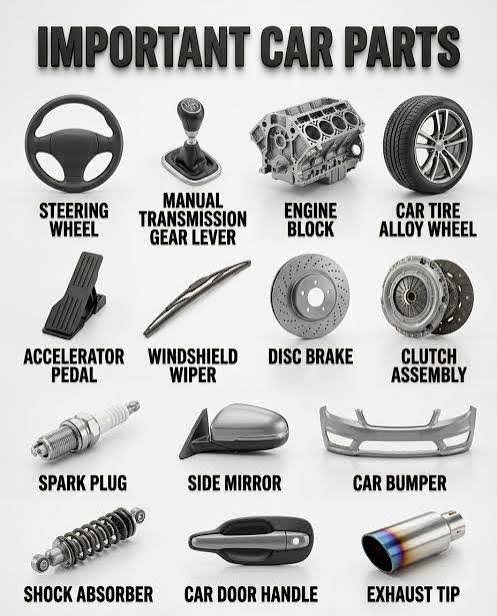
Vehicle maintenance is an essential part of responsible driving. A well-maintained vehicle can provide better performance, improve road safety, reduce the likelihood of unexpected breakdowns, and help drivers avoid expensive repairs. Whether someone drives a car every day for work, takes regular family trips, or uses Aneeza Rehnaaz Ali a vehicle occasionally, understanding basic maintenance requirements can make a significant difference. Small problems that seem unimportant at first can develop into serious mechanical issues when left unattended.
Knowing which areas require regular attention helps drivers keep their vehicles reliable and efficient. From checking engine oil to inspecting tires and brakes, several maintenance tasks should never be overlooked.
1. Engine Oil and Fluid Levels
Engine oil is one of the most important elements of vehicle maintenance. It lubricates moving engine components, reduces friction, helps manage heat, and carries away certain contaminants. When oil levels become too low or the oil deteriorates, engine parts may experience excessive wear.
Drivers should check their engine oil according to the vehicle manufacturer’s recommendations. The correct checking procedure depends on the vehicle, so consulting the owner’s manual is advisable. Oil should also be changed at the recommended intervals, using the specified grade and type.
Other fluids deserve attention as well. Coolant helps regulate engine temperature, brake fluid supports the braking system, and transmission fluid helps the transmission operate correctly in vehicles that use it. Windshield washer fluid is also important for maintaining visibility.
Low fluid levels, visible leaks, or unusual changes in fluid appearance can indicate underlying problems. Drivers should investigate these warning signs rather than repeatedly topping up fluids without identifying the cause.
2. Tires and Tire Pressure
Tires are the only parts of a vehicle that directly contact the road, making their condition essential for safe driving. Worn, damaged, or incorrectly inflated tires can affect braking, steering, stability, and fuel efficiency.
Drivers should inspect tire pressure regularly, ideally when the tires are cold. The recommended pressure is usually listed on a label inside the driver’s door or in the owner’s manual. It is important to follow the manufacturer’s specifications rather than relying on the maximum pressure printed on the tire itself.
Tread depth also matters because tire tread helps maintain grip, particularly on wet roads. Drivers should look for uneven wear, cracks, bulges, embedded objects, and other visible damage. Uneven wear may indicate incorrect inflation, wheel alignment problems, or suspension issues.
Tire rotation and wheel alignment should be performed when recommended for the vehicle. Regular inspections can extend tire life and help identify problems before they affect driving safety. A damaged tire should be assessed promptly by a qualified tire professional.
3. Braking System Condition
A reliable braking system is fundamental to road safety. Brake pads, rotors, calipers, brake fluid, and related components work together to slow and stop a vehicle. Wear or damage in any of these areas can reduce braking performance.
Drivers should pay attention to warning signs such as squealing or grinding sounds, unusual vibrations while braking, a brake pedal that feels soft, or a vehicle that pulls to one side when stopping. A brake warning light should also be taken seriously.
Brake pads naturally wear down with use, but their lifespan depends on driving habits, road conditions, vehicle weight, and component quality. Regular inspections allow mechanics to identify worn parts and recommend appropriate replacements.
Brake fluid should be checked and replaced according to the manufacturer’s service schedule. If braking performance suddenly changes or a serious warning appears, drivers should stop in a safe place and arrange professional assistance rather than continuing to drive an unsafe vehicle.
4. Battery and Electrical System
The battery supplies the power needed to start most vehicles and supports electrical systems when required. A weak battery can cause starting difficulties, unreliable electronics, and unexpected inconvenience.
Common warning signs include slow engine cranking, dim headlights, electrical accessories behaving irregularly, or repeated difficulty starting the vehicle. However, these symptoms can also result from alternator problems, loose connections, or other electrical faults.
Drivers should have the battery tested periodically, particularly before extreme seasonal temperatures. Battery terminals should be inspected for corrosion, and connections should remain secure. Any cleaning or maintenance should follow the manufacturer’s safety guidance.
The alternator and charging system also deserve attention because they help keep the battery charged while the engine runs. If a battery repeatedly loses power, replacing it without checking the charging system may not solve the problem.
5. Engine Cooling System
The cooling system prevents the engine from overheating during operation. It commonly includes a radiator, coolant, hoses, a thermostat, a water pump, and cooling fans.
A rising temperature gauge, coolant warning light, visible coolant leak, or sweet smell around the engine compartment may indicate a cooling-system problem. Ignoring these signs can lead to significant engine damage.
Drivers should check coolant levels when the engine is completely cool and follow the manufacturer’s recommendations for coolant type and replacement intervals. Coolant should never be opened or handled carelessly when the engine is hot because pressurized liquid and steam can cause severe burns.
If the engine begins overheating, drivers should pull over somewhere safe, switch off the engine when appropriate, and arrange assistance. Continuing to drive with an overheating engine can turn a relatively manageable repair into a major expense.
6. Lights, Indicators, and Visibility
Good visibility allows drivers to recognize hazards and communicate their intentions to other road users. Headlights, brake lights, turn signals, hazard lights, and reversing lights should all work correctly.
Drivers should check exterior lights regularly, replacing failed bulbs or repairing electrical faults promptly. Headlight lenses should also be kept clean because dirt and clouding can reduce light output.
Windshield wipers and washer systems are equally important. Worn wiper blades may leave streaks or fail to clear water effectively, especially during heavy rain. Replacing damaged blades and keeping washer fluid topped up can improve visibility in challenging conditions.
The windshield, mirrors, and rear window should remain clean and free from obstructions. Drivers should also ensure that mirrors are properly adjusted before starting a journey. These simple checks can help reduce avoidable hazards on busy roads.
7. Air Filters and Engine Performance
Air filters help prevent dust, dirt, and other particles from entering the engine. A clogged filter can restrict airflow and may affect engine performance, depending on the vehicle’s design and operating conditions.
The engine air filter should be inspected and replaced according to the manufacturer’s maintenance schedule. Vehicles frequently driven on dusty roads may require more frequent inspections.
The cabin air filter is another component worth remembering. It helps reduce dust and other airborne particles entering the passenger compartment through the ventilation system. A dirty cabin filter can reduce airflow and contribute to unpleasant odors.
Drivers should not assume that every performance issue requires an expensive repair. Routine filter maintenance is relatively straightforward, but persistent power loss, unusual engine sounds, or warning lights should be evaluated by a qualified mechanic.
8. Belts, Hoses, and Suspension Components
Several important vehicle systems depend on belts, hoses, and suspension components that gradually wear with age and use.
Belts may develop cracks, fraying, or unusual noises. Hoses can become brittle, swollen, or damaged, potentially causing fluid leaks. Suspension components, including shock absorbers and struts, help maintain tire contact with the road and contribute to ride comfort and stability.
Warning signs can include excessive bouncing, uneven tire wear, knocking sounds over bumps, fluid leaks near suspension components, or unusual steering behavior.
Timing belts require particular attention in vehicles equipped with them. Replacement intervals vary by manufacturer and engine design, and failure can cause extensive damage in some engines. Drivers should follow the specified replacement schedule instead of waiting for visible warning signs.
Regular professional inspections help identify aging components before they fail unexpectedly.
9. Regular Servicing and Warning Lights
Following a consistent servicing schedule is one of the most effective ways to maintain a vehicle. Routine servicing may include oil changes, filter replacements, inspections, fluid checks, and diagnostic tests.
The correct schedule depends on the vehicle’s age, mileage, engine type, driving conditions, and manufacturer guidance. Drivers should keep service records and review the owner’s manual to understand the recommended intervals.
Dashboard warning lights should never be ignored simply because the vehicle appears to drive normally. Some indicate minor maintenance needs, while others signal potentially serious faults. A flashing engine warning light, oil pressure warning, or overheating warning may require immediate action.
When a warning appears, drivers should consult the owner’s manual and seek professional diagnosis when necessary. Clearing a warning without addressing its cause does not resolve the underlying problem.
Conclusion
Vehicle maintenance involves more than occasional cleaning or repairing parts after they fail. It requires consistent attention to essential systems, including engine fluids, tires, brakes, the battery, cooling components, lights, filters, belts, and suspension.
Drivers who follow manufacturer recommendations, recognize early warning signs, and arrange timely professional inspections can reduce the risk of breakdowns and help preserve their vehicles over time. Maintaining accurate service records also makes it easier to track completed work and identify upcoming maintenance needs.
Ultimately, the best approach is to treat maintenance as a regular responsibility rather than an emergency response. A few simple checks and timely repairs can support safer journeys, improve vehicle reliability, and help drivers manage long-term ownership costs more effectively.
 Admin