
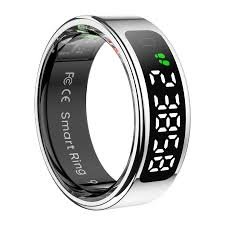
Technology is changing the way people understand their health, monitor physical activity, and build healthier daily routines. From smartwatches to fitness bands, wearable devices have become popular tools for tracking personal wellness. Among the latest innovations, smart rings are gaining attention because they combine compact designs with useful health and fitness tracking features. These small wearable devices offer a convenient alternative to larger gadgets, allowing users to monitor selected health metrics without constantly checking a screen.
Smart rings are designed to fit naturally into everyday life. Whether someone is working in an office, exercising at the gym, walking outdoors, or sleeping at night, a smart ring can collect information that helps them understand their daily habits. As wearable technology continues to develop, smart rings are making health and fitness tracking more accessible, comfortable, and discreet.
What Are Smart Rings and How Do They Work?
Smart rings are compact electronic devices worn on a finger. Depending on the model, they may use miniature sensors to collect information about movement, heart rate, sleep patterns, and other wellness indicators. The collected data is typically transferred to a connected smartphone application, where users can review measurements and identify patterns over time.
Unlike traditional fitness trackers, smart rings generally focus on delivering useful information without requiring a large display. This minimalist approach makes them suitable for people who prefer simple technology that does not interrupt their daily activities.
Many models include motion sensors that help estimate physical activity, while optical sensors may measure heart rate and related signals. Some devices also offer sleep tracking, activity summaries, and wellness insights. Available features vary by manufacturer and model, so checking the specifications before purchasing is important.
Smart rings are not all identical, but their shared goal is to make personal health information easier to access and understand.
Making Everyday Health Monitoring More Convenient
One of the biggest advantages of smart rings is their convenience. Traditional health tracking often requires users to open an application, start a workout manually, or check a screen throughout the day. Smart rings can reduce these interruptions by collecting certain measurements automatically.
For example, someone with a busy work schedule may want to understand their activity levels without wearing a bulky device. A smart ring can provide an overview of daily movement, depending on its capabilities, while remaining relatively unobtrusive.
Over time, reviewing this information may help users recognize patterns in their routines. They might notice that they move less on particularly busy workdays or that their activity levels increase when they take regular walking breaks.
This information can encourage practical lifestyle adjustments. Taking the stairs, walking during lunch breaks, or standing up periodically may become easier habits when users can see how their daily movement changes.
However, smart ring measurements should be treated as estimates rather than perfect representations of health. Their greatest value often comes from observing general trends instead of focusing on individual readings.
Improving Sleep Awareness and Recovery
Sleep plays an important role in concentration, mood, physical performance, and general well-being. Unfortunately, many people underestimate how their evening routines and daily schedules influence their sleep quality.
Smart rings with sleep-tracking capabilities can help users better understand their nighttime patterns. Depending on the device, they may estimate sleep duration, periods of movement, and different sleep stages. Some models also provide information about nighttime heart rate and other signals associated with recovery.
This information can help users reflect on their habits. For instance, they may discover that inconsistent bedtimes coincide with shorter sleep periods or that maintaining a regular schedule makes it easier to wake up feeling refreshed.
Recovery insights can also be useful for people who exercise regularly. Understanding sleep duration and observing changes in resting measurements may encourage them to balance demanding workouts with sufficient rest.
Nevertheless, sleep-stage estimates are not equivalent to clinical sleep assessments. Users should avoid making medical decisions based solely on wearable data and should seek professional advice when persistent sleep difficulties affect everyday life.
Supporting Smarter Fitness Tracking
Smart rings are also changing how people approach everyday fitness. Rather than concentrating exclusively on intense workouts, these devices can help users pay attention to movement throughout the entire day.
Depending on the model, a smart ring may track steps, estimate activity levels, or record information related to selected exercises. This can help users understand whether their daily routines include enough movement and whether they are maintaining consistent activity habits.
For beginners, simple tracking can make fitness goals feel more manageable. Someone who wants to become more active might begin by taking regular walks and reviewing their progress each week. Another person may use activity information to balance desk work with short movement breaks.
Smart rings can also complement other fitness equipment. Users who enjoy running, cycling, strength training, or walking may appreciate having additional information about their daily activity and recovery.
However, a smart ring cannot replace a suitable exercise plan, balanced nutrition, or professional coaching when needed. Some rings may also be less practical during weightlifting or activities involving heavy gripping, so users should follow the manufacturer’s guidance.
Understanding the Role of Colmi in Wearable Technology
As interest in accessible wearable technology grows, consumers are exploring products that combine useful features with practical designs. Colmi is one of the brands associated with the smart ring market, offering wearable options for people interested in exploring everyday health and fitness tracking.
When evaluating a smart ring, buyers should consider more than its appearance. Sensor capabilities, smartphone compatibility, battery life, charging requirements, water resistance, and application features can all influence the overall experience.
Consumers researching available models can explore colmi.store to learn about its smart ring offerings and compare relevant product information. Reviewing the specifications of individual devices can help buyers identify which features match their needs.
For example, someone primarily interested in sleep awareness may prioritize nighttime comfort and sleep-tracking functions. A person focused on everyday activity may care more about movement tracking, application usability, and battery performance.
It is also worth checking whether a particular model requires a subscription, which smartphone operating systems it supports, and what information its application provides. These details can make a meaningful difference in long-term satisfaction.
Choosing a device based on realistic expectations is more useful than purchasing one simply because it advertises numerous features.
Encouraging Consistent and Healthier Habits
Wearable technology is most helpful when it encourages sustainable habits instead of creating unnecessary pressure. Smart rings can support this approach by making everyday patterns easier to recognize.
For instance, users may set realistic walking goals, maintain a regular bedtime, or make time for recovery after physically demanding activities. Reviewing progress over several weeks can help them understand which changes are practical and which routines require adjustment.
Consistency is particularly important because a single day rarely provides a complete picture of personal wellness. Sleep, stress, movement, hydration, and daily schedules can all vary. Looking at broader patterns can provide more meaningful context than reacting to every measurement.
It is equally important to remember that health is not defined by numbers alone. Feeling energetic, enjoying physical activities, maintaining social connections, and finding a manageable balance between work and rest are valuable parts of well-being.
Smart rings should support these priorities rather than turn everyday life into a constant competition with statistics.
Smart Rings Versus Smartwatches and Fitness Bands
Smart rings and smartwatches serve overlapping purposes, but they offer different experiences.
Smartwatches usually provide displays, notifications, workout controls, and a wider range of interactive features. Fitness bands often emphasize activity tracking and may offer accessible ways to monitor daily movement.
Smart rings, by comparison, prioritize compactness and a screen-free experience. Their small size may make them attractive to people who prefer not to wear a watch or want a less noticeable device.
The best option depends on individual preferences. Someone who needs detailed workout controls and on-device notifications may prefer a smartwatch. Someone interested in discreet tracking and selected wellness measurements may find a smart ring more suitable.
It is also important to compare measurement capabilities carefully. A ring’s compact design does not automatically make it more accurate than other wearable devices, and some models may offer fewer sports-focused features.
Privacy and Responsible Use of Health Data
As wearable devices collect personal information, privacy deserves careful consideration. Smart ring applications may store sensitive details about sleep, activity, and physiological measurements.
Before using a device, consumers should review its privacy policy, understand how their information is stored, and check whether data can be shared with third parties. Strong account security and appropriate application permissions can also help protect personal information.
Users should remember that smart rings are wellness tools, not substitutes for medical equipment. They may provide useful estimates, but they cannot reliably diagnose every health condition or guarantee that an individual is healthy.
Anyone experiencing concerning symptoms should consult a qualified healthcare professional rather than relying exclusively on wearable measurements.
The Future of Smart Rings in Everyday Life
Smart rings demonstrate how technology can make personal wellness information available in smaller and more convenient formats. As sensors, software, and battery technology continue to evolve, future devices may provide more useful insights while maintaining comfortable designs.
Improved applications may also help users understand long-term patterns instead of presenting isolated measurements without context. Better integration with other wellness platforms could make it easier to combine information about activity, sleep, and recovery.
Even so, the most successful devices will likely be those that balance useful features with reliability, privacy, comfort, and reasonable pricing.
Conclusion
Smart rings are transforming everyday health and fitness tracking by bringing selected wellness measurements into a compact, convenient wearable. They can help users understand daily movement, review sleep patterns, monitor certain physiological signals, and develop more consistent routines.
Brands such as Colmi contribute to this growing category by giving consumers additional options to explore. By researching available products through colmi.store and comparing specifications carefully, buyers can make informed decisions based on their individual needs.
Ultimately, smart rings are most valuable when they support healthy habits without replacing common sense or professional medical guidance. When used responsibly, they can turn everyday data into practical insights that encourage a more informed and balanced approach to personal wellness.
 Admin
Admin