
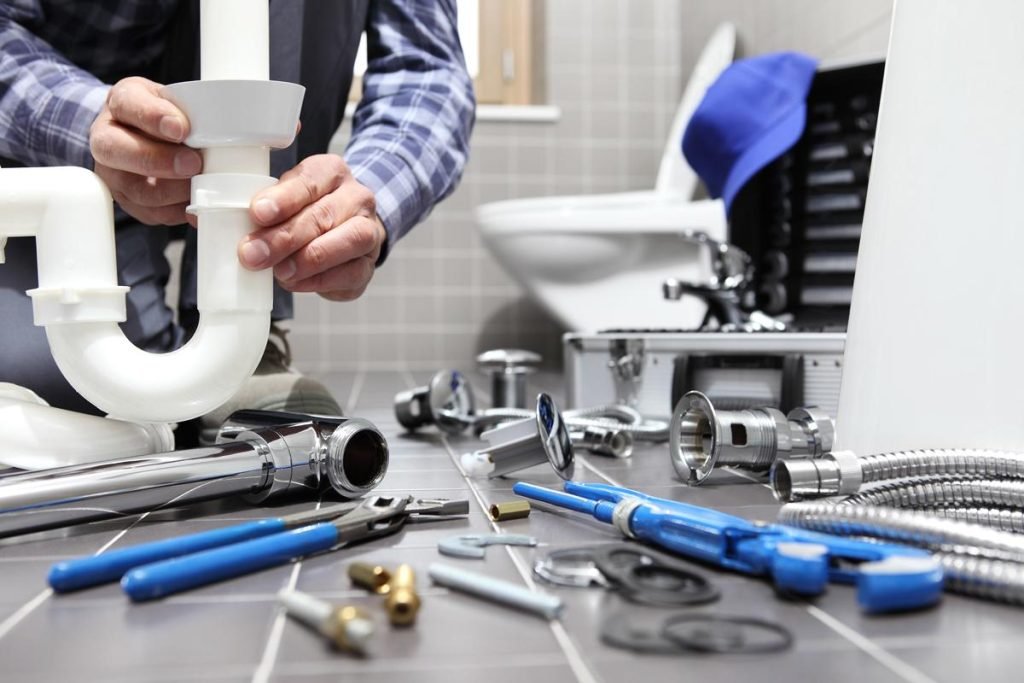
A reliable hot water system is essential for comfortable living, whether you need hot water for showers, washing dishes, cleaning, or other household tasks. While modern water heaters are designed to operate efficiently for years, regular maintenance and professional attention are still necessary to keep them performing at their best. A qualified water heater plumber can help identify problems early, improve system performance, and prevent unnecessary energy consumption. Professional servicing can also extend the lifespan of your equipment and reduce the risk of unexpected breakdowns.
Understanding Hot Water System Efficiency
Hot water system efficiency refers to how effectively a water heater converts energy into usable hot water while minimizing heat loss and unnecessary energy consumption. Several factors can affect this efficiency, including the age and condition of the unit, sediment accumulation, thermostat settings, insulation, water pressure, and the condition of pipes and connections.
When a system is not operating efficiently, homeowners may notice inconsistent water temperatures, longer heating times, unusual noises, or increasing utility bills. These signs should not be ignored. A water heater plumber can inspect the system and determine whether the problem requires a simple adjustment, routine maintenance, component replacement, or more extensive repair.
Regular Water Heater Maintenance
Routine maintenance is one of the most effective ways to maintain water heater efficiency. Over time, minerals and sediment can accumulate inside a storage tank. This buildup can create a layer between the heating element and the water, forcing the system to work harder to produce the desired temperature.
A professional plumber can inspect the tank and recommend appropriate flushing or cleaning procedures. Removing sediment helps the heating system transfer energy more effectively and can reduce unnecessary strain on components. Regular maintenance can also help identify corrosion, leaks, damaged connections, and other developing problems.
Checking and Adjusting the Thermostat
The thermostat controls the temperature of the water inside the heating system. If the setting is unnecessarily high, the heater may consume more energy than needed. Excessively high temperatures can also increase the risk of scalding.
A water heater plumber can check the thermostat to make sure it is functioning correctly and set appropriately for the household’s needs. If the thermostat is inaccurate or malfunctioning, professional replacement may restore proper temperature control.
Maintaining an appropriate temperature can provide a balance between comfort, safety, and energy efficiency. It also helps prevent the heater from operating continuously when the household does not require extremely hot water.
Inspecting Heating Elements
Electric water heaters commonly use heating elements to warm the water. These components can deteriorate over time because of mineral deposits, repeated heating cycles, or normal wear. A damaged or weakened heating element may result in slow heating, insufficient hot water, or fluctuating temperatures.
During a professional inspection, a water heater plumber can test the heating elements and related electrical components. If an element is no longer performing properly, replacing it can restore heating efficiency and improve the system’s overall performance.
Gas water heaters require different inspections. A qualified professional can examine the burner assembly and other relevant components to ensure that the system is operating safely and effectively.
Inspecting Pipes and Connections
The water heater itself is only one part of a complete hot water system. Supply pipes, valves, fittings, and connections all play important roles in delivering heated water throughout a property.
Small leaks may initially seem insignificant, but even minor leaks can waste water and place additional stress on the system. Damaged insulation around hot water pipes can also allow heat to escape before the water reaches its destination.
A water heater plumber can inspect accessible pipework and connections for leaks, corrosion, loose fittings, and inadequate insulation. Addressing these issues can help preserve heat and reduce wasted energy.
Improving Hot Water Pipe Insulation
Heat loss can occur while hot water travels from the heater to faucets and showers. Uninsulated or poorly insulated pipes can lose heat, particularly when they pass through colder areas such as garages, basements, crawl spaces, or exterior walls.
Professional pipe insulation can help maintain water temperature as hot water moves through the plumbing network. This means the system may not need to work as hard to compensate for heat loss.
A plumber can determine which sections of pipe would benefit most from insulation and recommend suitable materials for the installation environment.
Checking Water Pressure
Water pressure can influence the performance of a plumbing system. Excessively high pressure can put additional stress on pipes, valves, fixtures, and water heater components. Over time, this may contribute to leaks or premature wear.
A professional plumber can measure household water pressure and inspect pressure-related components. If pressure is outside an appropriate range, corrective measures may help protect the entire plumbing system.
Maintaining suitable pressure is particularly important in homes with older plumbing infrastructure, where pipes and fittings may already be more vulnerable to damage.
Identifying Leaks Early
Leaks around a water heater should always receive prompt attention. Water pooling beneath a tank, moisture around fittings, dripping valves, or damp areas near connecting pipes can indicate an issue.
A water heater plumber can determine the source of a leak and assess whether the affected component can be repaired or should be replaced. Early intervention can prevent water damage and may stop a small plumbing problem from becoming a major repair.
Tank corrosion deserves particular attention. If the tank itself has developed significant corrosion or is leaking because of internal deterioration, replacement may ultimately be more practical than repeated repairs.
Preventing Unexpected Breakdowns
Unexpected water heater failures can be disruptive and expensive. Regular professional inspections allow potential problems to be identified before they develop into emergencies.
A plumber may check valves, thermostats, heating elements, burners, connections, expansion components, and other parts depending on the type of system. Detecting worn components early provides homeowners with an opportunity to repair or replace them during planned maintenance rather than waiting for a complete failure.
Preventive maintenance can also help homeowners understand the overall condition and expected service life of their water heater.
Choosing Professional Water Heater Service
Although some basic maintenance tasks can be performed by homeowners, water heaters combine water, heat, pressure, and, in some systems, electricity or gas. Professional service is therefore important for inspections, repairs, and component replacement.
When choosing a water heater plumber, homeowners should consider experience, licensing where required, reputation, responsiveness, and familiarity with their particular water heater type. A professional should be able to explain the problem clearly and provide practical recommendations rather than simply replacing components without identifying the underlying cause.
When to Call a Water Heater Plumber
Certain warning signs indicate that professional assistance may be necessary. These include a lack of hot water, water that is consistently too hot or too cold, unusual popping or banging noises, visible leaks, rusty-colored water, frequent system shutdowns, and sudden increases in energy costs.
Older water heaters may also benefit from a professional evaluation even when they appear to be working normally. Regular inspections can uncover developing problems and help determine whether continued maintenance or eventual replacement makes more financial sense.
Conclusion
Keeping a hot water system efficient requires more than simply turning it on and expecting consistent performance. Sediment buildup, damaged components, heat loss, leaks, incorrect temperature settings, and water pressure problems can all reduce efficiency over time. A qualified water heater plumber can inspect these areas, perform appropriate maintenance, repair faulty components, and recommend improvements that help the system operate reliably.
Professional attention not only supports efficient hot water production but can also extend equipment life, improve household comfort, and reduce the likelihood of costly emergency repairs. With regular inspections and timely maintenance, homeowners can keep their hot water systems running smoothly and efficiently for years to come.