
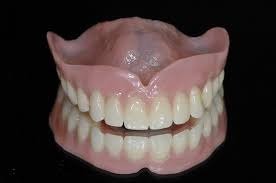
Upper dentures are removable dental appliances designed to replace missing teeth in the upper jaw. They rest against the palate (roof of the mouth) and are shaped to resemble natural teeth and gums. For many people, upper dentures restore not only the appearance of a full smile but also essential functions like chewing and speaking.
Modern upper dentures are much more advanced than older versions. They are designed with improved materials that mimic the look of natural teeth and gums, making them more comfortable and visually appealing. Whether someone has lost teeth due to age, injury, or dental disease, upper dentures offer a practical and affordable solution for tooth replacement.
How Upper Dentures Work
Upper dentures work by creating suction and sometimes using adhesive creams to stay in place. The design of the upper palate plays a key role in how well they fit. Since the upper denture covers the roof of the mouth, it often has better stability compared to lower dentures, which rely more on the gums and jawbone.
A well-fitted set of upper dentures should feel secure during everyday activities like eating, talking, and smiling. Over time, however, the shape of the gums and jawbone can change, which may require adjustments or relining to maintain comfort and proper fit.
Getting the Right Fit for Upper Dentures
A proper fit is one of the most important aspects of upper dentures. The process usually begins with a dental examination, where impressions of the mouth are taken. These impressions help create a customized denture that matches the exact shape of the patient’s gums and palate.
Once the dentures are made, several fitting sessions are often needed. During these visits, adjustments are made to ensure there are no pressure points or discomfort areas. A good fit should allow the wearer to speak clearly and chew without the denture slipping or causing irritation.
It is also important to understand that upper dentures may feel slightly bulky at first. This is normal, as the mouth needs time to adapt to a foreign object. Most people adjust within a few weeks as the tongue and facial muscles learn to accommodate the new appliance.
Comfort and Adjustment Period
Comfort is a major concern for anyone using upper dentures for the first time. Initially, it may feel unusual to have a full plate covering the roof of the mouth. Some people also experience mild soreness or increased saliva production during the first few days.
These issues typically improve as the mouth adjusts. Eating soft foods, speaking slowly, and practicing regular denture use can help speed up the adaptation process. Over time, upper dentures begin to feel like a natural part of the mouth.
For long-term comfort, it is important to maintain good oral hygiene and attend regular dental check-ups. Even if no natural teeth remain, the gums and underlying bone still require care to prevent irritation or infections.
Everyday Living with Upper Dentures
Living with upper dentures involves small lifestyle adjustments, but most people quickly adapt to their new routine. Eating, speaking, and maintaining oral hygiene are the three main areas of daily life that require attention.
When it comes to eating, it is recommended to start with soft foods such as soups, mashed potatoes, and yogurt. Gradually, harder foods can be introduced as confidence and comfort increase. Chewing evenly on both sides of the mouth helps keep the dentures stable.
Speech may also feel different at first. Certain sounds might be harder to pronounce, especially “s” and “f” sounds. Practicing reading aloud or talking slowly can help the tongue adjust to the new shape of the mouth.
Cleaning upper dentures daily is essential. They should be removed and brushed gently with a soft denture brush and mild cleanser. This helps remove food particles and prevents staining or odor buildup. It is also important to soak them overnight in a denture-cleaning solution to maintain their shape and hygiene.
Maintaining Upper Dentures for Long-Term Use
Proper maintenance is key to extending the lifespan of upper dentures. Even though they are durable, they are not indestructible and require regular care.
One important step is handling them carefully. Dropping dentures can cause cracks or breakage, so it is best to clean them over a soft towel or a sink filled with water. This reduces the risk of damage if they slip from the hands.
Regular dental visits are also necessary. Over time, the gums and bone structure change, which can affect how the dentures fit. Dentists may recommend relining or replacing the dentures to ensure continued comfort and function.
Avoiding hard or sticky foods can also help prevent unnecessary strain on the dentures. While modern designs are strong, they still require careful use to avoid wear and tear.
Common Challenges and Solutions
Even with proper care, some users may experience challenges with upper dentures. One common issue is slipping while eating or speaking. This can often be resolved with a better fit or the use of denture adhesives.
Another issue is dry mouth, which can make it harder for dentures to stay in place. Drinking plenty of water and using saliva substitutes can help improve comfort.
Some individuals may also feel self-conscious when wearing upper dentures. However, modern designs are highly natural-looking, and most people around them will not notice any difference. Confidence usually improves as users become more comfortable with their new smile.
Emotional and Social Impact
Beyond physical function, upper dentures can have a significant emotional impact. Missing teeth often affect self-esteem and confidence, especially in social situations. Upper dentures help restore a natural smile, allowing individuals to feel more comfortable in public and personal interactions.
Many people report feeling more confident after receiving upper dentures because they no longer worry about gaps in their smile or difficulty speaking clearly. This improvement in self-image can positively influence both personal and professional life.
Conclusion
Upper dentures are a reliable and effective solution for replacing missing upper teeth. They restore essential functions like chewing and speaking while also improving appearance and confidence. Although there is an adjustment period, most people adapt quickly and find that upper dentures become a comfortable part of daily life.
With proper fitting, regular care, and routine dental visits, upper dentures can provide long-lasting comfort and functionality. Understanding how they work and how to maintain them helps ensure a smooth experience and a healthy, confident smile for years to come.