
Introduction
In today’s fast-paced world, many people struggle with chronic pain, muscle tension, stress-related discomfort, and injuries caused by daily activities or intense physical work. While medications can offer temporary relief, many individuals are searching for natural and holistic alternatives that address the root cause of their discomfort. One such effective therapy is medical thai massage, a specialized healing technique that combines traditional Thai massage principles with therapeutic methods designed to improve physical health and recovery.
Unlike conventional relaxation massages, medical thai massage focuses on specific muscular and structural issues within the body. It is widely recognized for its ability to reduce pain, improve mobility, support rehabilitation, and promote overall wellness without relying heavily on medication. As more people seek natural healing methods, this ancient practice continues to gain popularity among healthcare professionals, athletes, and individuals looking for long-term relief.
Understanding Medical Thai Massage
Medical thai massage is a therapeutic bodywork practice that blends traditional Thai massage techniques with modern anatomical knowledge. Practitioners use targeted pressure, stretching, joint mobilization, and muscle manipulation to address specific health concerns.
The treatment is designed to improve circulation, release muscle tension, correct postural imbalances, and restore natural movement patterns. Unlike standard spa massages that focus primarily on relaxation, medical thai massage is often tailored to an individual’s unique physical condition and recovery goals.
The therapy typically involves working along energy pathways, known as “Sen” lines, while simultaneously addressing muscles, tendons, ligaments, and connective tissues. This comprehensive approach allows the body to heal naturally and function more efficiently.
How Medical Thai Massage Helps Manage Pain
Relieves Muscle Tension
One of the primary benefits of medical thai massage is its ability to release tight and overworked muscles. Chronic muscle tension can contribute to headaches, neck pain, shoulder stiffness, and lower back discomfort.
Through deep pressure techniques and assisted stretching, therapists help loosen contracted muscles, improving flexibility and reducing pain levels. This natural release often provides lasting relief without the need for pain medications.
Improves Blood Circulation
Poor circulation can contribute to inflammation, soreness, and delayed healing. Medical thai massage stimulates blood flow throughout the body, delivering oxygen and essential nutrients to injured or stressed tissues.
Enhanced circulation also helps remove metabolic waste products that accumulate within muscles, promoting faster recovery and reducing discomfort.
Supports Joint Mobility
Stiff joints can significantly impact daily activities and overall quality of life. Through gentle mobilization and stretching techniques, medical thai massage helps restore natural joint movement.
Improved joint flexibility can reduce pain associated with conditions such as arthritis, repetitive strain injuries, and age-related stiffness.
Reduces Nerve Compression
Muscle tightness and poor posture can sometimes place pressure on nearby nerves, leading to numbness, tingling, or radiating pain. By addressing muscular imbalances and releasing tension, medical thai massage may help reduce nerve compression and improve overall function.
Medical Thai Massage for Injury Recovery
Sports Injuries
Athletes often experience muscle strains, ligament stress, and repetitive-use injuries. Medical thai massage can play an important role in sports recovery by reducing muscle tightness, enhancing flexibility, and supporting tissue healing.
Regular treatments may also help prevent future injuries by improving movement patterns and identifying areas of weakness or imbalance.
Post-Surgical Rehabilitation
In some cases, healthcare providers recommend therapeutic massage as part of a rehabilitation program. Medical thai massage may assist recovery by improving circulation, reducing scar tissue restrictions, and restoring mobility after surgery.
However, individuals recovering from surgery should always consult their physician before beginning any massage therapy program.
Workplace and Lifestyle Injuries
Long hours of sitting, repetitive movements, and poor posture can lead to chronic discomfort. Medical thai massage targets these problem areas, helping to correct muscular imbalances and relieve tension caused by everyday activities.
Many office workers report significant improvements in neck pain, shoulder stiffness, and lower back discomfort following regular sessions.
The Role of Medical Thai Massage in Stress Reduction
Physical pain and emotional stress are often closely connected. When stress levels increase, muscles tend to tighten, creating a cycle of discomfort and tension.
Medical thai massage promotes deep relaxation by encouraging the body’s natural healing response. The therapy can help lower stress hormones while stimulating the release of endorphins, which are natural chemicals associated with pain relief and improved mood.
As stress decreases, many individuals notice better sleep quality, increased energy levels, and a greater sense of overall well-being.
Conditions Commonly Treated with Medical Thai Massage
Many people seek medical thai massage to help manage a variety of physical conditions, including:
Chronic Back Pain
Persistent back pain is one of the most common reasons individuals pursue therapeutic massage. Targeted techniques can help reduce muscular tension and improve spinal mobility.
Neck and Shoulder Tension
Modern lifestyles often contribute to prolonged neck and shoulder strain. Medical thai massage can release tight muscles and improve posture-related discomfort.
Sciatica
Sciatica symptoms may result from nerve irritation caused by muscular tension or structural imbalances. Therapeutic massage techniques may help relieve pressure and reduce associated pain.
Headaches and Migraines
Tension headaches frequently originate from tight muscles in the neck, shoulders, and upper back. Addressing these areas through medical thai massage may help decrease headache frequency and severity.
Arthritis and Joint Stiffness
Gentle mobilization and stretching techniques can improve flexibility and support better movement for individuals dealing with joint-related discomfort.
What to Expect During a Medical Thai Massage Session
A typical medical thai massage session begins with an assessment of the client’s health concerns, physical condition, and treatment goals. The therapist then develops a customized approach based on individual needs.
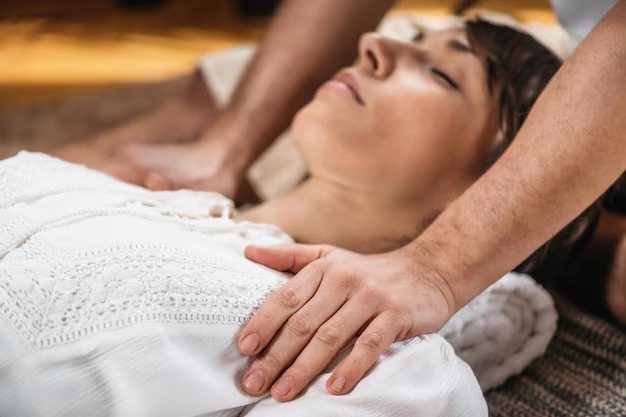
Unlike traditional table massages, clients often remain fully clothed and receive treatment on a comfortable mat or specialized massage table. The therapist may use hands, thumbs, elbows, knees, and assisted stretching techniques to address problem areas.
Sessions can vary in intensity depending on the individual’s condition and preferences. Communication with the therapist is important to ensure comfort and effectiveness throughout the treatment.
Choosing a Qualified Practitioner
To experience the full benefits of medical thai massage, it is important to work with a trained and certified practitioner. Look for therapists who have completed specialized education in Thai massage, anatomy, and therapeutic bodywork.
A qualified practitioner should understand how to assess physical conditions, adapt techniques to individual needs, and recognize situations that require medical referral.
Reading reviews, checking credentials, and discussing treatment goals before scheduling an appointment can help ensure a positive experience.
Conclusion
As people increasingly seek natural alternatives for pain management and recovery, medical thai massage continues to stand out as a highly effective therapeutic option. By combining targeted muscle work, stretching, circulation enhancement, and holistic healing principles, this specialized therapy offers a comprehensive approach to wellness.
Whether addressing chronic pain, recovering from injury, improving mobility, or reducing stress, medical thai massage provides benefits that extend beyond temporary relief. With regular sessions and guidance from a qualified practitioner, individuals can experience improved physical function, enhanced recovery, and a healthier, more balanced lifestyle.