
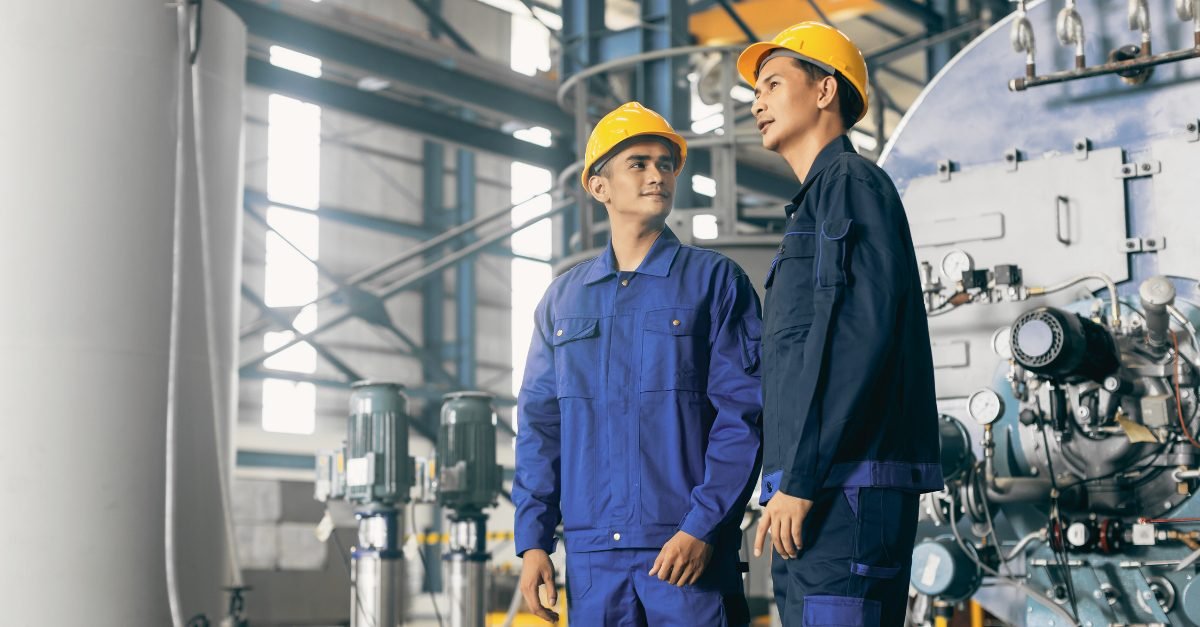
The landscape of manufacturing recruitment is undergoing a significant transformation. As industries increasingly adopt advanced technologies, artificial intelligence (AI) and automation are playing pivotal roles in reshaping how manufacturers identify, hire, and retain talent. This evolution is not only streamlining the hiring process but also enhancing the quality of candidates being selected for crucial manufacturing roles.
The Shift Towards Technology-Driven Recruitment
Traditional methods of manufacturing recruitment relied heavily on manual processes. Recruiters would sift through resumes, conduct multiple rounds of interviews, and rely on personal judgment to determine candidate suitability. While this approach had its merits, it was time-consuming, prone to biases, and often inefficient in finding the best-fit candidates for specialized manufacturing roles.
With the rise of AI and automation, manufacturers are now leveraging technology to handle repetitive and administrative tasks. AI-driven platforms can screen resumes, analyze candidate profiles, and even rank applicants based on skills and experience relevant to specific manufacturing positions. Automation tools can schedule interviews, send follow-ups, and manage large candidate databases, allowing recruiters to focus on more strategic aspects of hiring.
Enhancing Candidate Matching
One of the most impactful ways AI is changing manufacturing recruitment is through improved candidate matching. Advanced algorithms analyze vast amounts of data, including a candidate’s work history, technical skills, certifications, and even soft skills inferred from online activity or assessments. This enables manufacturers to identify candidates who are not only qualified but also culturally aligned with the organization.
For example, a plant looking for skilled machinists can use AI to evaluate applicants based on experience with specific machinery, precision in past work, and problem-solving capabilities. This level of precision reduces the risk of hiring mismatches, which are costly in both time and resources.
Predictive Analytics in Hiring Decisions
AI-powered predictive analytics are also revolutionizing how companies approach manufacturing recruitment. By analyzing historical hiring data, workforce trends, and performance metrics, AI systems can predict which candidates are most likely to succeed in specific roles.
This predictive capability is especially valuable in manufacturing, where the wrong hire can impact production efficiency, safety, and overall operational performance. Companies can now make data-driven hiring decisions that minimize turnover and maximize productivity.
Automation of Routine Tasks
Recruitment in the manufacturing sector involves numerous routine and repetitive tasks, such as resume sorting, interview scheduling, and candidate communication. Automation software can handle these tasks efficiently, significantly reducing the administrative burden on HR teams.
For instance, chatbots can interact with candidates to answer common queries about job openings, company culture, or application status. Automated systems can also parse resumes for keywords, ensuring that only candidates meeting specific criteria advance to the next stage. This not only accelerates the hiring process but also enhances the candidate experience, making companies more attractive to top talent.
Addressing Skill Gaps with AI Insights
The manufacturing sector is facing a critical skills gap, with a growing demand for workers who are proficient in advanced machinery, robotics, and digital tools. Manufacturing recruitment is increasingly using AI to identify skill shortages and proactively source candidates with the necessary expertise.
By analyzing workforce trends and skill sets in real-time, AI can help companies predict which roles will face shortages and plan recruitment strategies accordingly. This proactive approach ensures that manufacturers maintain a steady pipeline of qualified talent to support production goals.
Reducing Bias and Promoting Diversity
Bias in hiring has long been a challenge in manufacturing recruitment, often leading to less diverse workplaces. AI has the potential to reduce human bias by focusing solely on qualifications, experience, and performance indicators.
Automated systems can anonymize candidate data during initial screening, ensuring that hiring decisions are based purely on merit. This not only improves diversity but also enhances innovation and collaboration in manufacturing environments, where diverse teams are shown to drive better problem-solving and efficiency.
Integrating AI with Human Judgment
While AI and automation are transforming manufacturing recruitment, human judgment remains indispensable. Technology can provide data-driven insights, streamline processes, and predict outcomes, but it cannot fully replace the nuanced decision-making of experienced recruiters.
Successful recruitment strategies now integrate AI tools with human oversight. Recruiters use AI-generated insights to guide interviews, assess cultural fit, and make final hiring decisions. This synergy ensures that the best candidates are selected while maintaining a human touch in the recruitment process.
The Role of Upskilling and Continuous Learning
As AI and automation reshape manufacturing recruitment, companies must also focus on upskilling their existing workforce. The adoption of automated systems and advanced machinery requires employees to acquire new skills continuously.
Manufacturers are now incorporating AI-driven training programs and e-learning platforms to help employees adapt to technological advancements. By fostering a culture of continuous learning, organizations not only retain talent but also ensure that their workforce remains competitive in a rapidly evolving industry.
Future Trends in Manufacturing Recruitment
Looking ahead, AI and automation will continue to play an integral role in manufacturing recruitment. Some emerging trends include:
- AI-powered talent marketplaces: Platforms that connect manufacturers with pre-vetted candidates based on skills, location, and experience.
- Virtual reality (VR) assessments: Using VR simulations to evaluate candidates’ technical skills in realistic manufacturing environments.
- Predictive workforce planning: AI systems forecasting staffing needs based on production schedules, market demand, and technological changes.
- Enhanced candidate engagement: Personalized AI-driven communication keeping candidates informed and engaged throughout the recruitment process.
These innovations will further optimize recruitment strategies, reduce costs, and help manufacturers build stronger, more resilient teams.
Conclusion
The evolution of manufacturing recruitment with AI and automation marks a new era for the industry. From improving candidate matching and reducing bias to automating routine tasks and predicting workforce needs, technology is transforming how manufacturers hire talent. By integrating AI tools with human judgment and focusing on continuous upskilling, companies can not only attract top talent but also ensure long-term operational success.
Manufacturers that embrace these technological advancements in recruitment will be better positioned to navigate the challenges of a competitive and rapidly evolving industry, making AI and automation essential partners in the future of hiring.