
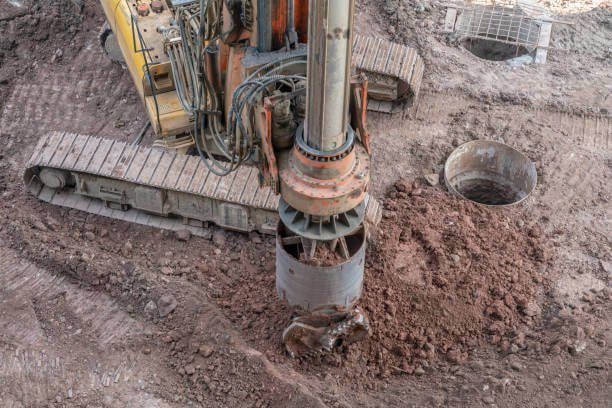
Diamond drilling has revolutionized the construction and engineering industries, offering precision, efficiency, and versatility for a wide range of projects. From residential renovations to large-scale commercial undertakings, diamond drilling is a reliable method for cutting through concrete, stone, and other hard materials. This article explores the techniques, equipment, and safety protocols that make diamond drilling a preferred choice for professionals in Denmark and beyond, aligning perfectly with services described as “Pålidelig professionel diamantboring og diamantskæring i beton entreprenør. Private og erhvervsprojekter. Service i hele Danmark. Attraktive priser.”
Understanding Diamond Drilling
Diamond drilling is a process that uses a drill bit embedded with industrial-grade diamonds to cut through extremely hard surfaces. Unlike traditional drilling methods that rely on mechanical force alone, diamond drilling combines rotation and pressure with the abrasive power of diamonds, allowing for precise and clean holes. This makes it particularly valuable in construction projects where accuracy and minimal structural damage are essential.
The process is widely used in creating openings for plumbing, electrical wiring, HVAC systems, and anchor installations. Beyond construction, diamond drilling plays a role in geological exploration and mining, where core samples are extracted for analysis.
Methods of Diamond Drilling
There are several methods of diamond drilling, each suited to specific applications and material types:
Wet Diamond Drilling
Wet diamond drilling involves the continuous use of water to cool the drill bit and reduce dust. This method is commonly used in concrete and reinforced concrete structures. Water not only extends the lifespan of the drill bit but also helps in maintaining a clear workspace by washing away debris. Wet drilling is ideal for large-diameter holes and prolonged drilling tasks.
Dry Diamond Drilling
Dry diamond drilling eliminates the need for water, relying instead on vacuum suction or dust collection systems to manage debris. This method is useful in indoor settings where water usage is restricted or when working on delicate surfaces that could be damaged by moisture. Modern dry drilling systems are equipped with diamond-tipped bits that efficiently cut through hard materials while minimizing heat buildup.
Core Drilling
Core drilling is a specialized form of diamond drilling that extracts cylindrical samples, or “cores,” from concrete, stone, or rock. The extracted cores can then be analyzed for structural integrity or geological composition. This method is essential in engineering surveys, foundation inspections, and research projects. Core drilling can be performed using both wet and dry methods, depending on the requirements of the project.
Wire Sawing
While not always classified as standard drilling, wire sawing often incorporates diamond segments on the cutting wire. This method is used for cutting large concrete blocks, walls, or industrial materials. It allows precise cuts where conventional drills cannot reach and can handle complex angles or large-scale demolition tasks.
Equipment Used in Diamond Drilling
The efficiency and precision of diamond drilling depend heavily on the right equipment. Professionals typically use a combination of the following tools:
Diamond Drill Bits
At the heart of the process are the diamond drill bits, which come in various sizes and shapes depending on the material and hole diameter. These bits contain industrial diamonds embedded in a metal matrix, ensuring durability and cutting precision. The choice of bit depends on the hardness of the material and the intended application.
Drill Rigs and Machines
Diamond drilling machines range from handheld models for small-scale tasks to heavy-duty rigs for industrial applications. Handheld machines are commonly used for residential and light commercial projects, providing maneuverability and ease of use. For large-scale construction or mining operations, stationary drill rigs deliver the power and stability required for deep and precise drilling.
Cooling and Dust Management Systems
Wet drilling systems use pumps and hoses to circulate water around the drill bit, while dry drilling setups employ vacuum systems or dust collectors. Proper cooling and dust management are critical for the longevity of equipment, worker safety, and maintaining a clean worksite.
Accessories and Anchoring Systems
Additional equipment such as drill stands, anchors, and stabilizers ensures accuracy and safety during drilling. Anchoring systems prevent unwanted movement, while stands maintain consistent pressure, reducing wear on the drill bit and minimizing the risk of structural damage.
Safety Measures in Diamond Drilling
Safety is paramount in diamond drilling, especially when working on construction sites or industrial facilities. The combination of high-speed drilling, heavy equipment, and potential exposure to dust and debris necessitates strict adherence to safety protocols.
Personal Protective Equipment (PPE)
Operators must wear appropriate PPE, including safety glasses, gloves, helmets, ear protection, and respiratory masks. These items protect against flying debris, dust inhalation, and noise hazards.
Structural Assessment
Before drilling, a thorough assessment of the material and surrounding structure is critical. Professionals evaluate potential risks such as reinforcement bars, electrical wiring, or load-bearing elements. Accurate planning minimizes the risk of accidents and ensures the integrity of the structure.
Machine Safety and Maintenance
Regular inspection and maintenance of drilling machines prevent malfunctions and prolong equipment life. Operators should ensure that drill bits are sharp, cooling systems are functional, and all safety guards are in place. Emergency stop mechanisms must always be accessible during operation.
Site Safety Protocols
Maintaining a safe worksite includes securing the area to prevent unauthorized access, using barriers to control dust and debris, and following standard operational procedures. Wet drilling sites, in particular, require slip-resistant surfaces and proper drainage to prevent accidents.
Training and Certification
Professional diamond drilling companies prioritize training and certification. Skilled operators are trained in machine handling, safety standards, and problem-solving techniques, ensuring high-quality outcomes with minimal risk. In Denmark, services emphasizing reliability and professionalism, such as “Pålidelig professionel diamantboring og diamantskæring i beton entreprenør,” highlight the importance of certified and experienced personnel.
Advantages of Diamond Drilling
Diamond drilling offers numerous advantages over conventional methods, which explains its widespread adoption:
Precision: Diamond drilling creates clean, accurate holes with minimal structural disruption.
Speed: High-efficiency bits and machines reduce drilling time, improving project timelines.
Versatility: Suitable for a variety of materials including concrete, stone, and asphalt.
Reduced Waste: Efficient cutting methods generate less debris compared to traditional drilling.
Safety: Controlled drilling methods and proper equipment reduce the risk of accidents and material damage.
Applications Across Industries
The versatility of diamond drilling allows it to serve multiple industries:
Construction: Installing pipes, conduits, and anchor points in residential and commercial buildings.
Demolition: Controlled cutting of walls and concrete slabs for renovations or expansions.
Mining and Geology: Extracting core samples for analysis of mineral composition or structural integrity.
Energy Sector: Creating holes for wind turbine foundations, solar panel mounts, and hydroelectric projects.
Conclusion
Diamond drilling is an essential technique in modern construction and industrial applications, providing unmatched precision, efficiency, and safety. By understanding the different methods, equipment, and safety measures, professionals can maximize the benefits of diamond drilling while minimizing risks. Reliable and professional services across Denmark, especially those offering both private and commercial projects at attractive prices, underscore the importance of expertise and equipment in delivering high-quality outcomes. Whether for residential renovations, large infrastructure projects, or specialized industrial tasks, diamond drilling continues to set the standard for precision cutting and efficient construction practices.
This comprehensive exploration demonstrates why diamond drilling is not just a tool but a strategic solution in contemporary construction and engineering projects.