
Introduction
Managing tasks, assigning responsibilities, and tracking work progress are essential activities for businesses across different industries. Whether an organization operates in manufacturing, construction, maintenance, or facility management, an effective system for organizing work can significantly influence productivity and operational efficiency. Traditionally, many businesses have relied on paper-based documentation and manual processes to manage daily activities. However, technological advancements have introduced digital platforms that simplify these responsibilities.
An orden de trabajo, commonly known as a work order, is an important document used to communicate specific tasks, instructions, responsibilities, and deadlines. It helps employees understand what needs to be completed and provides managers with a way to monitor progress. Although manual and digital work order systems serve the same fundamental purpose, they differ considerably in how information is created, managed, communicated, and stored.
Understanding these differences can help businesses select an approach that supports their operational requirements and long-term objectives.
1. Understanding Manual Work Orders
A manual work order is traditionally created using printed forms, handwritten documents, spreadsheets, or other paper-based records. Employees or supervisors complete the necessary information before distributing the document to the individuals responsible for performing the task.
A typical manual work order includes the task description, employee information, required materials, estimated completion time, priority level, and relevant instructions. Depending on the organization, additional details such as equipment identification, maintenance history, and approval signatures may also be included.
One advantage of manual systems is their simplicity. Employees can understand and complete paper forms without specialized technical knowledge or extensive training. Small businesses with limited operational requirements may find this approach sufficient.
However, manual processes also introduce several challenges. Documents can become misplaced, handwriting may be difficult to understand, and information must often be transferred between different departments. These activities can consume valuable time and increase the possibility of administrative errors.
2. Understanding Digital Work Order Platforms
A digital work order platform replaces traditional paperwork with software that allows organizations to create, distribute, manage, and monitor tasks electronically.
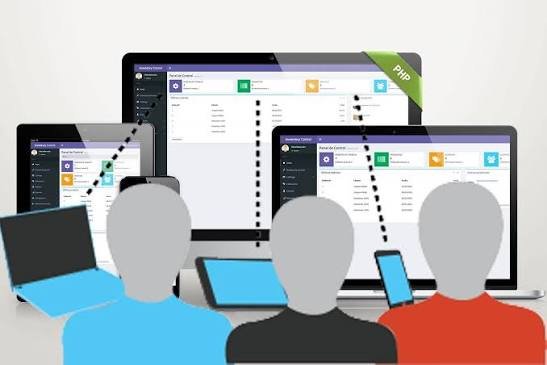
Instead of completing printed forms, employees can access work orders through computers, tablets, or smartphones. Managers can assign responsibilities, establish deadlines, upload supporting documents, and monitor task progress through a centralized system.
Digital platforms often provide additional capabilities, including automated notifications, scheduling tools, maintenance records, reporting features, and performance analytics.
For example, when a maintenance request is submitted, a supervisor can review the information, assign a technician, and communicate instructions through the platform. The technician can then update the task status, record completed activities, and attach photographs or relevant documentation.
This process makes information more accessible while reducing the administrative workload associated with traditional work order management.
3. Key Differences Between Manual and Digital Work Orders
Although both approaches help businesses organize operational activities, several important differences influence their effectiveness.
Information Accessibility
Manual work orders are usually stored in physical folders, filing cabinets, or designated office locations. Employees may need to contact supervisors or search through paperwork to find specific information.
Digital platforms provide centralized access to work order information. Authorized employees can retrieve relevant records from compatible devices, making it easier to review task details and previous activities.
Processing Speed
Creating and distributing manual documents requires several administrative steps. Employees must complete forms, obtain approvals, make copies, and deliver paperwork to the appropriate departments.
Digital systems streamline these activities by allowing users to create and distribute work orders electronically. Automated workflows can also reduce delays associated with approvals and task assignments.
Accuracy and Data Management
Handwritten records can contain spelling mistakes, incomplete information, or inconsistent descriptions. Repeatedly transferring details between documents may create additional errors.
Digital platforms support standardized forms and structured data entry. Required fields, predefined categories, and automated calculations can improve consistency and reduce common documentation problems.
Communication and Collaboration
Manual systems often depend on face-to-face conversations, telephone calls, or printed notices to communicate task updates.
Digital platforms provide centralized communication tools, notifications, and status updates. This helps employees, supervisors, and maintenance teams remain informed without constantly exchanging physical documents.
Tracking and Monitoring
Tracking a manual orden de trabajo can be difficult when several departments or employees are involved. Supervisors may need to contact individual workers to determine whether assigned activities have been completed.
Digital systems offer real-time or frequently updated status information, depending on the platform and user activity. Managers can review pending, active, completed, and delayed tasks from a centralized dashboard.
4. Cost Considerations and Resource Management
The financial implications of manual and digital work order systems extend beyond their initial costs.
Manual processes generally require fewer upfront technology investments. Businesses can begin using printed forms and existing office supplies without purchasing specialized software.
Nevertheless, recurring expenses can accumulate through printing, paper storage, document distribution, and administrative labor. Physical records also require appropriate storage space and organization.
Digital platforms may involve subscription fees, implementation costs, employee training, and device requirements. However, they can reduce paperwork, simplify administrative processes, and improve resource allocation.
Businesses should evaluate the total cost of ownership rather than considering only the initial investment. The most suitable solution depends on operational complexity, workforce size, available resources, and expected productivity improvements.
5. Security and Record Keeping
Maintaining accurate records is essential for operational accountability, compliance, and future planning.
Paper-based work orders can be damaged, misplaced, or accessed by individuals who should not have permission to review them. Creating backup copies and maintaining organized filing systems requires additional effort.
Digital platforms can provide access controls, user permissions, electronic records, and backup capabilities. These features help organizations manage sensitive operational information more effectively.
However, digital systems also require appropriate cybersecurity practices. Businesses should evaluate encryption, authentication, backup procedures, software updates, and data protection policies before selecting a platform.
A reliable system should make information accessible to authorized employees while protecting it from unauthorized access or accidental loss.
6. Flexibility and Scalability
Manual work order systems may function effectively for organizations handling a relatively small number of tasks. Their simplicity can make them suitable for businesses with straightforward workflows.
However, as operations expand, managing increasing numbers of documents becomes more complicated. Additional employees, locations, equipment, and maintenance requests can place pressure on traditional filing and communication processes.
Digital platforms are generally more adaptable to growing operational requirements. Organizations can introduce additional users, customize workflows, create different task categories, and manage activities across multiple locations.
This flexibility makes digital solutions particularly useful for businesses planning expansion or managing complex operations.
7. Choosing the Right Work Order Management Approach
Selecting between manual and digital systems requires an understanding of business priorities.
Organizations with limited budgets, small teams, and occasional maintenance requirements may continue using manual documentation. A straightforward paper-based orden de trabajo can provide sufficient organization when task volumes remain manageable.
Businesses with larger workforces, frequent maintenance requests, multiple departments, or complex approval processes may benefit from digital platforms.
Before making a decision, managers should consider several factors:
- The number of work orders processed regularly.
- The size and distribution of the workforce.
- The complexity of existing operational procedures.
- The availability of technology and internet connectivity.
- Data security and record retention requirements.
- Implementation costs and expected long-term savings.
- Integration with existing business management systems.
Some organizations may also benefit from a gradual transition. They can begin digitizing important processes while maintaining selected manual procedures until employees become comfortable with the new system.
8. The Future of Work Order Management
Digital transformation continues to influence how organizations manage maintenance, service requests, and operational responsibilities. Modern platforms increasingly incorporate automation, mobile applications, artificial intelligence, and predictive maintenance capabilities.
These technologies can help organizations identify recurring problems, prioritize maintenance activities, and make better decisions using historical information.
For example, equipment maintenance records can help identify patterns that indicate potential failures. Managers can use this information to schedule inspections before unexpected breakdowns disrupt operations.
As these capabilities develop, digital work order platforms are becoming more than electronic replacements for paper forms. They are evolving into comprehensive tools for improving operational visibility, coordination, and efficiency.
Nevertheless, successful implementation depends on choosing suitable technology, training employees, and establishing clear procedures.
Conclusion
The differences between manual work orders and digital platforms involve much more than the format used to record tasks. They influence information accessibility, processing speed, communication, accuracy, security, and overall operational efficiency.
Manual systems remain useful for smaller organizations with straightforward requirements and limited task volumes. Digital platforms, on the other hand, offer greater automation, centralized information management, improved tracking, and scalability.
An effective orden de trabajo process should provide clear instructions, establish accountability, and ensure that tasks are completed efficiently. By evaluating their current requirements and future growth plans, businesses can choose a work order management approach that supports productivity, reduces unnecessary administrative effort, and strengthens overall operational performance.