
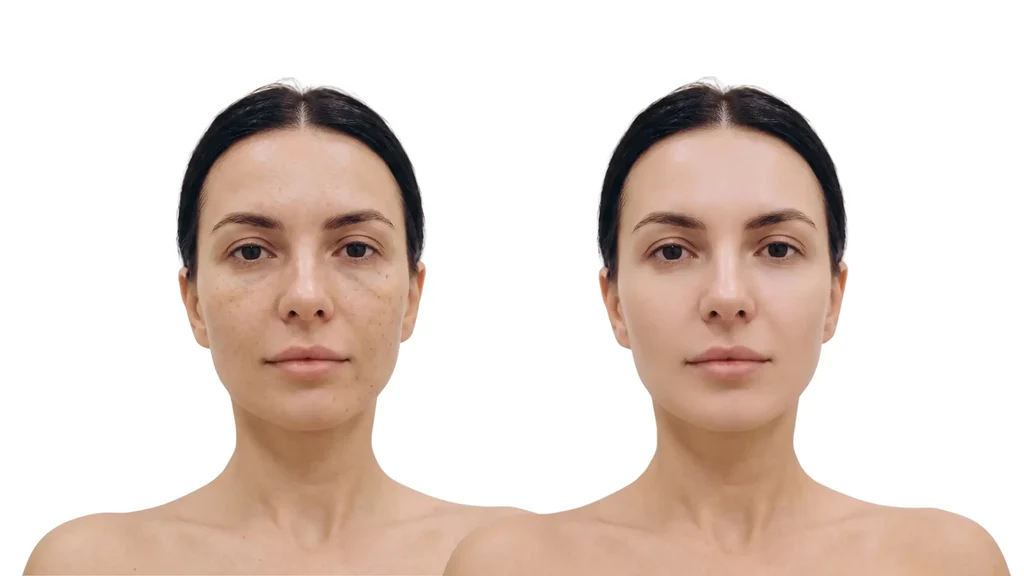
Hyperpigmentation remains one of the most common yet stubborn dermatological concerns affecting individuals across all skin types. Whether triggered by post-inflammatory hyperpigmentation (PIH) from acne, stubborn melasma, hormonal shifts, or chronic sun exposure, dark patches can deeply impact self-confidence. While topical serums, chemical peels, and retinoids offer gradual improvements, many people eventually turn to advanced technology for faster and more definitive results. Exploring Laser Treatments for Hyperpigmentation reveals a sophisticated array of clinical options designed to target excess melanin at various depths within the skin.
Understanding how these technologies work, comparing their distinct advantages, and recognizing safety profiles are crucial steps before scheduling a procedure. Modern aesthetic medicine has moved far beyond a one-size-fits-all approach, tailoring specific wavelengths and pulse durations to match individual skin needs and pigment depth.
Understanding the Mechanics of Laser Technology
At its core, laser therapy for hyperpigmentation operates on the principle of selective photothermolysis. This means the device emits a specific wavelength of light that is preferentially absorbed by a target chromophore—in this case, melanin. When the melanin clusters absorb this concentrated light energy, the pigment cells are disrupted and broken down into microscopic fragments. Over the subsequent weeks, the body’s natural lymphatic and immune systems clear away this cellular debris, resulting in a clearer, more even skin tone.
However, not all pigment lives at the same depth. Epidermal pigmentation sits closer to the surface and typically responds faster to treatment, whereas dermal pigmentation resides deeper within the skin architecture and requires specialized wavelengths and careful energy control. Furthermore, the speed at which energy is delivered plays a massive role in patient comfort, downtime, and the likelihood of side effects. This brings us to the primary contenders in modern pigment-corrective technology.
Comparing Popular Laser Options
The medical aesthetics market features several gold-standard devices. When reviewing options, patients and practitioners evaluate performance metrics, recovery periods, and suitability for specific skin concerns.
Q-Switched Lasers
Long considered a reliable workhorse in dermatology clinics, the Q-Switched laser delivers energy in nanosecond (billionths of a second) pulses.
- Mechanism: It relies heavily on a photoacoustic effect paired with a photothermal component to shatter melanin granules.
- Best For: Sunspots, freckles, age spots, and certain types of deeper dermal pigment. Low-fluence Q-Switched Nd:YAG protocols are also widely utilized for managing sensitive conditions like melasma, particularly in darker skin phenotypes, due to their controlled, gradual heating profile.
- Considerations: While effective and generally budget-friendly compared to newer platforms, it may require a higher number of cumulative sessions to achieve complete clearance.
Picosecond Lasers
Representing a significant technological evolution, picosecond lasers deliver energy in trillionths of a second—roughly one thousand times faster than nanosecond devices.
- Mechanism: The ultra-short pulse duration creates an intense photoacoustic shockwave that pulverizes pigment particles into dust-like micro-particles with minimal thermal spread to surrounding healthy tissue.
- Best For: Stubborn pigmentation, multi-colored tattoos, and patients seeking faster fragmentation of melanin deposits. Clinical studies indicate that picosecond systems often achieve higher clearance rates in fewer sessions for specific epidermal and mixed pigmented lesions while causing less treatment discomfort.
- Considerations: Equipment costs are typically higher, which can translate to steeper treatment fees for the patient. Moreover, improper calibration on darker skin tones can still risk complications if energy thresholds are pushed too high.
Fractional Resurfacing Lasers
Unlike pigment-specific devices that target melanin directly, fractional lasers create microscopic columns of thermal injury deep into the skin, stimulating total tissue remodeling and cell turnover.
- Mechanism: By treating only a fraction of the skin surface at a time, surrounding healthy tissue accelerates healing, pushing out pigmented cells and boosting collagen production.
- Best For: Hyperpigmentation accompanied by textural irregularities, acne scarring, fine lines, and stubborn sun damage.
- Considerations: Fractional lasers—particularly ablative variants like carbon dioxide (CO2) lasers—involve a noticeable downtime with peeling and redness, making strict post-procedure sun protection non-negotiable. They are generally approached with extreme caution in melasma-prone skin to avoid triggering rebound darkening.
Safety, Skin Types, and Mitigating Risks
One of the most critical elements when evaluating Laser Treatments for Hyperpigmentation is the safety profile relative to the patient’s skin tone. Individuals with higher melanin content (Fitzpatrick skin types III through VI) carry a heightened risk of developing post-inflammatory hyperpigmentation if a laser delivers excessive heat. When a device triggers severe inflammation, melanocytes can overreact and produce even more pigment, worsening the original condition.
To mitigate these risks, board-certified dermatologists rely on customized parameters rather than chasing aggressive quick fixes:
- Conservative Fluence Settings: Starting with lower energy densities to test how the skin responds.
- Test Spots: Performing small, localized test pulses before treating the entire face.
- Wavelength Selection: Choosing longer wavelengths (such as 1064 nm Nd:YAG) that bypass upper epidermal melanin layers more safely.
- Comprehensive Regimens: Pairing laser sessions with strict daily broad-spectrum sun protection, diligent UV avoidance, and topical tyrosinase inhibitors (like tranexamic acid, vitamin C, or hydroquinone) to stabilize melanocytes before and after treatment.
Making the Right Choice for Your Skin
Choosing the most effective path forward requires moving past heavy marketing terms and looking closely at clinical reality. No single device holds a universal monopoly on perfection; the success of Laser Treatments for Hyperpigmentation depends heavily on an accurate initial diagnosis, the precise calibration of wavelengths, and the clinical expertise of the practitioner handling the equipment.
Patients are strongly encouraged to consult with a qualified dermatologist or a specialized skin expert who can evaluate whether a Q-Switched device, a picosecond platform, or a non-laser alternative best aligns with their skin type, lifestyle, and unique pigmentation challenges. With proper professional guidance, realistic expectations, and meticulous aftercare, achieving a luminous, balanced, and evenly toned complexion is entirely within reach.
 Admin