
Upgrading your home’s water heating system is more than just a convenience—it’s an investment in energy efficiency and long-term savings. Many homeowners overlook the impact an outdated water heater can have on utility bills and overall household efficiency. Choosing a modern system through a proper water heater replacement can significantly reduce energy consumption while providing reliable hot water.
Understanding the Need for Water Heater Replacement
Water heaters typically have a lifespan of 8 to 12 years, depending on the type and maintenance. Over time, sediment build-up, corrosion, and inefficient heating elements can reduce the system’s performance. Older units not only consume more electricity or gas but are also more prone to leaks and failures. A timely water heater replacement ensures that your home continues to have a consistent supply of hot water while minimizing energy waste.
Modern water heaters are designed to operate with higher efficiency standards. Tankless models, for example, heat water on demand, eliminating standby energy losses associated with traditional tank systems. Even updated storage tank models are more energy-efficient due to improved insulation and advanced heating technology.
Energy Efficiency Benefits
One of the most significant reasons to consider a water heater replacement is energy efficiency. Older units can use 30% more energy than newer models, costing homeowners hundreds of dollars extra per year. By switching to an Energy Star-rated water heater, households can reduce energy usage dramatically, contributing to both lower utility bills and environmental sustainability.
Tankless water heaters offer a particularly compelling case. Unlike conventional storage water heaters, they do not continuously heat water in a tank. Instead, water is heated instantly as it flows through the system. This eliminates energy loss and can lead to substantial savings, especially for families with lower hot water demand patterns. Even for homes with higher usage, modern storage tank water heaters equipped with advanced insulation and heat pump technology deliver efficient heating without compromising performance.
Financial Impact of Water Heater Replacement
While the initial cost of water heater replacement may seem high, the long-term financial benefits outweigh the upfront investment. Energy-efficient models reduce monthly utility bills, while their durability decreases the frequency of costly repairs. Over time, these savings can make a significant difference in household budgets.
Moreover, many governments and utility companies offer rebates or incentives for installing energy-efficient water heaters. These programs further reduce the cost of replacement and shorten the payback period. For example, upgrading to a high-efficiency water heater could potentially earn rebates ranging from $100 to $500, depending on the program and location.
Choosing the Right Water Heater
Selecting the best water heater for your home involves evaluating several factors, including household size, water usage patterns, and energy efficiency goals. A water heater replacement should consider both current needs and potential future demand. Consulting with a professional plumber or certified installer ensures that the new system is properly sized and installed for optimal performance.
Tankless water heaters are ideal for homes aiming to minimize energy waste and reduce space requirements. They are compact and can be installed closer to points of use, which decreases heat loss in pipes. On the other hand, high-efficiency storage tank models remain suitable for households with higher simultaneous hot water needs, offering a reliable supply for multiple bathrooms or appliances running at the same time.
Environmental Considerations
Investing in a water heater replacement also has environmental benefits. Energy-efficient water heaters reduce greenhouse gas emissions associated with heating water. In addition, modern water heaters often incorporate environmentally friendly refrigerants and improved insulation, further reducing their carbon footprint. By upgrading your system, you are contributing to a more sustainable home while also enjoying practical benefits like lower utility bills.
Maintenance and Longevity
A key factor in maximizing the benefits of a new water heater is proper maintenance. Routine inspection and servicing help prevent issues such as sediment accumulation, corrosion, and leaks. Following manufacturer guidelines for maintenance ensures that your water heater operates efficiently for its full lifespan, which is typically longer than older models.
Water heater replacement with high-quality units can extend the interval between service needs. Modern units often come with longer warranties, sometimes up to 12 years, reflecting their durability and advanced design. This reliability minimizes unexpected expenses and gives homeowners peace of mind regarding consistent hot water availability.
Signs It’s Time for a Replacement
Knowing when to schedule a water heater replacement can save homeowners from sudden failures. Common signs include inconsistent water temperature, strange noises from the tank, leaks, and visible rust or corrosion. An older water heater that struggles to meet household demand or significantly increases utility costs is a clear candidate for replacement. Early replacement prevents emergency repairs and ensures continuous efficiency.
Professional Installation Matters
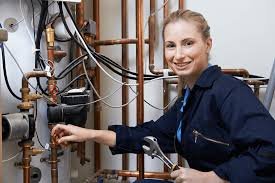
Proper installation is critical to achieving the maximum energy savings and performance from a new water heater. Professional installers ensure that the system is compatible with existing plumbing, electrical, or gas connections and adheres to local building codes. Incorrect installation can reduce efficiency, lead to safety hazards, and void warranties. Therefore, investing in expert installation as part of your water heater replacement plan guarantees both safety and optimal operation.
Maximizing Long-Term Savings
Beyond energy efficiency, a water heater replacement contributes to long-term financial savings by lowering maintenance costs, improving reliability, and extending the system’s lifespan. Combining a high-efficiency water heater with smart usage habits, such as reducing unnecessary hot water consumption and using temperature settings wisely, enhances these savings. Homeowners can also monitor energy use with smart meters or connected water heater models to track and optimize consumption over time.
Conclusion
Water heater replacement is a strategic investment that pays off through energy efficiency, cost savings, and environmental benefits. Whether opting for a tankless system or a high-efficiency storage tank model, upgrading to a modern water heater ensures reliable hot water, reduced utility bills, and long-term peace of mind. For homeowners looking to maximize comfort and efficiency, timely replacement is a decision that combines smart energy management with practical financial benefits.
By recognizing the signs of aging equipment, choosing the right energy-efficient model, and ensuring professional installation, you can transform an ordinary household appliance into a key contributor to long-term savings and environmental responsibility. Prioritizing water heater replacement today is a proactive step toward a more efficient, sustainable, and cost-effective home.