
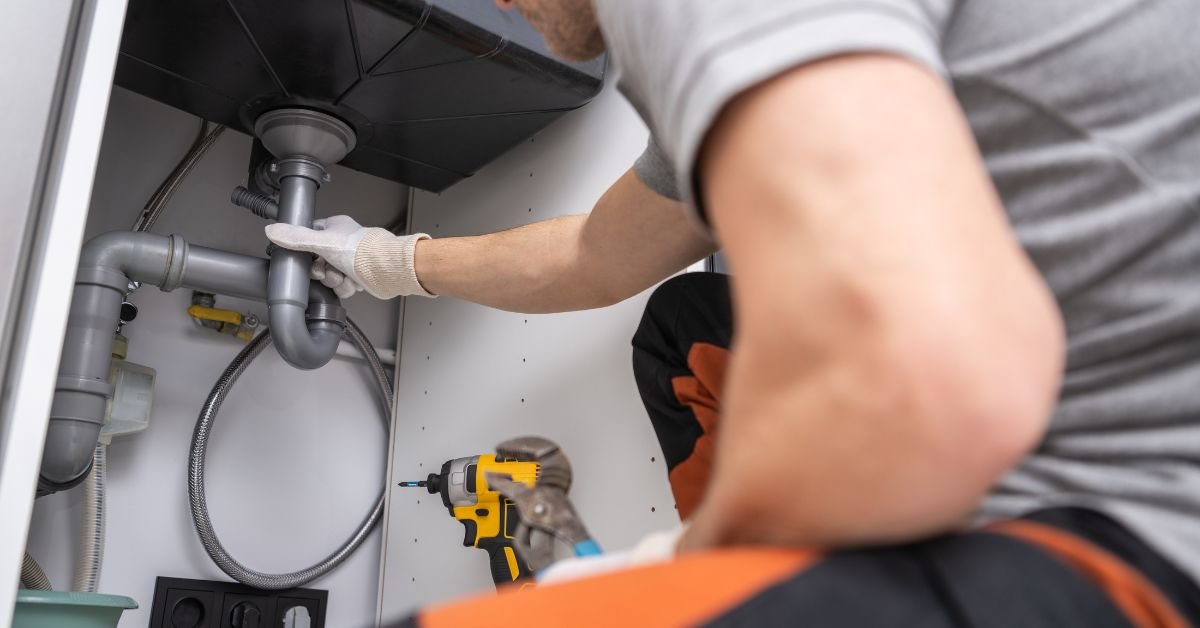
Sewage cleaning is a task that few people think about until an emergency arises. Whether due to a broken pipe, a sewer backup, or flooding, dealing with sewage is a serious health and safety concern. Many underestimate the hazards involved, which is why understanding the hidden dangers of sewage cleaning risks is essential for homeowners, business owners, and cleaning professionals alike.
The Nature of Sewage and Its Risks
Sewage is a mixture of wastewater and human waste, often containing bacteria, viruses, fungi, and parasites. It can originate from toilets, sinks, showers, and industrial processes. Exposure to untreated sewage can cause a wide range of health issues, from mild skin irritation to life-threatening infections. Recognizing these sewage cleaning risks is the first step toward safe handling and prevention.
Workers and homeowners exposed to raw sewage face the risk of infections like hepatitis A, E. coli, and salmonella. These microorganisms can enter the body through cuts, inhalation, or accidental ingestion. In addition, sewage can release harmful gases like methane and hydrogen sulfide, which are flammable and toxic, posing respiratory dangers.
Physical Hazards in Sewage Cleaning
Apart from biological risks, sewage cleaning presents physical dangers. Handling heavy equipment, working in confined spaces, and dealing with slippery surfaces increase the chance of injuries such as falls, strains, and electrical shocks. The water from sewage can also contain sharp objects, debris, or broken glass, which may cause cuts and bruises.
Slips and falls are particularly common when surfaces are wet and contaminated. Improper lifting techniques while removing blocked debris or heavy waste can lead to back injuries. Electrical hazards also arise if water comes into contact with live wiring or appliances, highlighting the need for caution and professional intervention in many cases.
Chemical and Environmental Dangers
Sewage is not just biologically hazardous; it may contain chemicals and pollutants that make cleaning even riskier. Household cleaners, industrial waste, and chemicals flushed down drains can mix with sewage to create toxic environments. Long-term exposure to these chemicals can affect the liver, kidneys, and respiratory system.
Environmental contamination is another concern. Improper sewage cleanup can lead to groundwater pollution, soil contamination, and harm to local ecosystems. Addressing these sewage cleaning risks requires strict adherence to safety protocols and environmentally friendly disposal methods.
Psychological Impact of Sewage Exposure
Dealing with sewage is unpleasant and stressful. Exposure to raw sewage and the process of cleanup can lead to anxiety, depression, and emotional distress. The sight and smell of sewage, combined with the fear of illness, can affect mental well-being, especially in prolonged cleanup situations. Acknowledging this psychological impact is crucial, and mental health support should be considered for workers and individuals affected.
Protective Measures and Safety Protocols
Understanding the dangers of sewage cleaning risks is only the beginning. Taking protective measures can significantly reduce the likelihood of injury or illness. Personal protective equipment (PPE) is essential, including gloves, boots, waterproof clothing, eye protection, and face masks. Using the right PPE prevents direct contact with sewage and limits exposure to harmful microorganisms and chemicals.
Proper hygiene is equally important. Washing hands thoroughly after cleanup, avoiding touching the face, and sanitizing contaminated tools and surfaces help minimize the risk of infections. Professional sewage cleanup companies follow strict protocols, including disinfecting affected areas and safely disposing of contaminated materials.
The Importance of Professional Sewage Cleanup
While small incidents may seem manageable, professional intervention is often necessary. Experts trained in sewage cleaning understand the full scope of sewage cleaning risks and are equipped to handle dangerous situations safely. They use specialized equipment, disinfectants, and techniques to restore affected areas without compromising health.
Hiring a professional service not only ensures safety but also prevents secondary damage. Raw sewage left untreated can cause structural damage to homes, promote mold growth, and create lingering odors. Professionals can identify hidden contamination and ensure a thorough cleanup, reducing the likelihood of future issues.
Recognizing Early Warning Signs
Preventing sewage-related incidents starts with awareness. Recognizing early warning signs, such as slow drains, foul odors, and unusual water backups, allows for timely intervention. Routine maintenance and inspections of plumbing systems can prevent larger problems and reduce exposure to sewage cleaning risks.
Prompt attention to plumbing issues, proper waste disposal, and careful handling of hazardous substances minimize the risk of contamination. Educating household members and employees about these dangers reinforces a culture of safety and preparedness.
Long-Term Health Considerations
Even with immediate cleanup, long-term health concerns can arise from exposure to sewage. Chronic respiratory issues, skin conditions, and gastrointestinal problems may develop if protective measures are not followed. Individuals who frequently work in sewage cleanup should undergo regular health check-ups to monitor potential complications.
Vaccinations, such as for hepatitis A and tetanus, are recommended for those exposed to sewage. Maintaining a healthy immune system through proper diet and hygiene also helps reduce the severity of potential infections.
Conclusion
Sewage cleaning is more than just an unpleasant chore—it is a task fraught with hidden dangers. Understanding the biological, chemical, physical, environmental, and psychological risks associated with sewage cleaning risks is vital for anyone involved in the process.
Protective measures, proper hygiene, early intervention, and professional support are essential strategies to mitigate these dangers. By respecting the hazards of sewage and taking the necessary precautions, homeowners and cleaning professionals can prevent serious health issues, environmental damage, and long-term complications. Knowledge and preparedness are the keys to safely navigating the hidden risks of sewage cleanup.
Sewage cleaning risks are real and should never be underestimated. Awareness, prevention, and professional guidance ensure that this challenging task can be managed safely and effectively.