
Water damage can strike at any time, whether due to a burst pipe, heavy rain, or a malfunctioning appliance. The effects can be devastating if not addressed promptly. From warped floors to mold growth, the consequences of water intrusion are both costly and hazardous to your health. Knowing how to manage water damage cleaning effectively is essential for any homeowner. In this article, we explore the top 10 water damage cleaning tips to protect your home and maintain a safe living environment.
Assess the Damage Immediately
The first step in water damage cleaning is assessing the extent of the damage. Walk through the affected area carefully and note which materials are wet or compromised. Carpets, furniture, walls, and ceilings can absorb water differently, and identifying the affected zones helps prioritize what needs immediate attention. Quick assessment minimizes long-term damage and reduces the risk of mold growth.
Turn Off Electricity and Gas
Water and electricity are a dangerous combination. Before beginning any water damage cleaning, ensure that electricity is turned off at the main breaker if water has reached electrical outlets or appliances. Also, consider shutting off the gas supply if water has infiltrated areas near gas lines. Safety should always be the first priority when dealing with water damage in your home.
Remove Standing Water
Standing water must be removed as soon as possible to prevent further damage. Depending on the severity, this can be done with a wet/dry vacuum, mop, or buckets. In cases of extensive flooding, professional water extraction services may be necessary. The quicker the water is removed, the lower the risk of structural damage and mold infestation.
Dry the Area Thoroughly
After removing standing water, drying the area completely is crucial for effective water damage cleaning. Use fans, dehumidifiers, and open windows to facilitate airflow. Carpets and furniture may need to be lifted or separated to allow hidden surfaces to dry. Thorough drying prevents moisture from lingering, which can lead to long-term issues such as mold growth and wood rot.
Dispose of Contaminated Items
Some items affected by water cannot be salvaged. Porous materials such as mattresses, upholstered furniture, and certain carpets may absorb water and develop bacteria or mold. Identify items that are beyond recovery and dispose of them safely. Proper disposal not only ensures a cleaner environment but also prevents potential health hazards associated with contaminated belongings.
Clean and Disinfect Surfaces
Once water is removed, it is essential to clean and disinfect all surfaces. Use a solution of water and mild detergent for cleaning, followed by a disinfectant to kill bacteria and mold spores. Focus on floors, walls, and any other affected areas. This step is critical for water damage cleaning because it eliminates germs that can cause illness and prevents secondary damage from microbial growth.
Check for Mold Growth
Mold can develop within 24 to 48 hours after water exposure. Regularly inspect walls, ceilings, and hidden areas such as behind furniture or under carpets. If mold is detected, it must be addressed immediately. Small mold patches can be treated with household cleaners, but widespread infestations may require professional remediation. Catching mold early is a vital component of effective water damage cleaning.
Salvage and Restore Valuables
Once the area is dry and disinfected, focus on salvaging and restoring valuable items. Documents, books, electronics, and furniture may require special care to prevent further deterioration. For example, drying books and papers in a controlled manner and using silica gel for moisture absorption can help preserve important documents. Restoring valuables carefully reduces financial and sentimental loss.
Prevent Future Water Damage
After a water damage incident, it is wise to implement preventive measures. Inspect plumbing regularly, seal windows and doors against leaks, and maintain gutters to prevent water accumulation. Consider installing water sensors or a sump pump in areas prone to flooding. Proactive prevention is an essential part of long-term water damage cleaning and home protection.
Call Professionals When Necessary
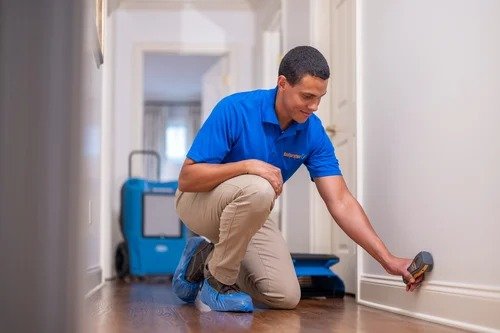
Finally, recognize when water damage cleaning requires professional assistance. Severe flooding, structural damage, or persistent mold problems may be beyond the scope of DIY solutions. Professional water damage restoration companies have the tools, experience, and expertise to restore your home safely and efficiently. Calling experts ensures that the damage is properly addressed, minimizing long-term risks and expenses.
Water damage cleaning is a multi-step process that requires prompt action, thorough drying, and careful restoration. By following these top 10 tips, homeowners can significantly reduce the risks associated with water intrusion, safeguard their property, and maintain a healthy living environment. Remember, acting quickly and efficiently is the key to minimizing damage and ensuring that your home remains safe and habitable.
Implementing these strategies can save both time and money, while also protecting your home from future water-related disasters. Whether it’s a minor leak or a major flood, understanding the essentials of water damage cleaning empowers homeowners to respond effectively and confidently.
Would you like me to also create a punchy meta description and SEO-friendly title for this article to help it perform better online?