
Introduction
Foods that inspire cravings are not just random indulgences we suddenly want without reason. They are deeply connected to how the human brain, body, and environment interact with flavor, memory, and survival instincts. From a slice of pizza to a piece of chocolate, foods that inspire cravings often share a powerful combination of taste, aroma, texture, and emotional triggers. Understanding why foods that inspire cravings affect us so strongly reveals fascinating insights into neuroscience, psychology, and even evolution.
The Science Behind Foods That Inspire Cravings
At the core of foods that inspire cravings is the brain’s reward system. When we eat something enjoyable, the brain releases dopamine, a chemical linked to pleasure and motivation. This creates a reinforcing loop: the more pleasure we experience from certain foods, the more our brain remembers and seeks them again. Foods that inspire cravings often activate this reward system more intensely than ordinary meals, making them harder to resist.
Scientists have found that ultra-palatable foods—those high in sugar, fat, and salt—trigger stronger neurological responses than bland or balanced foods. This is why foods that inspire cravings tend to be rich, flavorful, and energy-dense. The brain interprets them as highly rewarding, even if the body is not truly hungry.
Dopamine and the Reward Loop
Dopamine does not simply make us feel pleasure; it drives motivation. When we consume foods that inspire cravings, dopamine signals tell the brain, “remember this and seek it again.” Over time, this creates learned behavior patterns. Seeing a familiar snack or smelling a favorite dish can trigger anticipation even before eating.
Foods that inspire cravings often become linked with emotional states as well. For example, people may crave sweet foods when stressed because the brain associates sugar with quick comfort. This emotional conditioning strengthens the craving cycle, making foods that inspire cravings even more psychologically powerful.
Sensory Triggers: Smell, Texture, and Flavor
One of the strongest drivers of foods that inspire cravings is sensory stimulation. Smell, in particular, plays a major role. Aromas travel directly to the brain’s limbic system, which controls emotion and memory. The smell of freshly baked bread or grilled meat can instantly trigger hunger, even if a person recently ate.
Texture also matters. Foods that inspire cravings often combine multiple textures—crispy, creamy, chewy, or crunchy—which keeps the brain engaged. For example, chocolate with a crunchy filling or fried foods with a crispy exterior and soft interior are especially compelling.
Flavor layering is another key factor. Foods that inspire cravings often include a balance of sweet, salty, sour, bitter, and umami tastes. This combination keeps the palate stimulated and prevents sensory fatigue, making it easier to overconsume these foods.
Sugar, Fat, Salt, and Umami: The Perfect Combination
Foods that inspire cravings usually contain high levels of sugar, fat, or salt—or a combination of all three. These ingredients were rare in ancient environments, so our brains evolved to seek them out for survival. Today, they are abundant in processed foods, which is why cravings can feel so intense.
Sugar provides quick energy, fat offers long-lasting energy, and salt supports essential body functions. When combined, they create foods that inspire cravings at a biological level. Umami, the savory taste found in foods like cheese, mushrooms, and meat, further enhances flavor complexity and satisfaction.
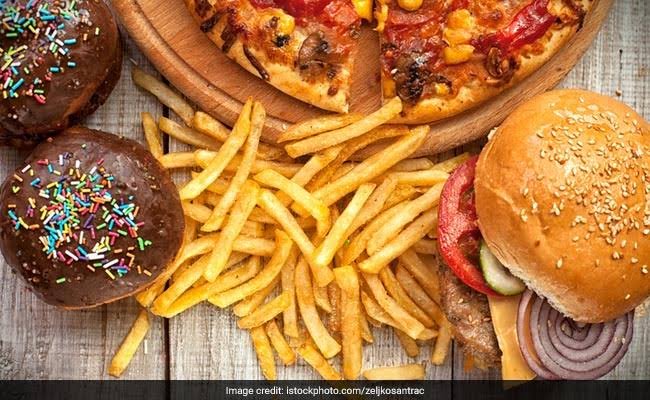
This is why foods such as burgers, fries, pizza, ice cream, and chocolate frequently appear on craving lists. They are engineered—or naturally structured—to deliver maximum sensory reward.
Psychological and Emotional Influences
Foods that inspire cravings are not only biological but also psychological. Memory plays a powerful role in shaping food preferences. Childhood experiences, cultural traditions, and emotional associations all influence what we crave as adults.
For example, someone may crave a specific homemade dish because it reminds them of family gatherings. Similarly, comfort eating during stress or sadness is often linked to foods that inspire cravings that provide emotional reassurance.
Marketing also plays a major role. Advertisements use visuals, sounds, and storytelling to create emotional associations with certain foods. Over time, these cues strengthen the appeal of foods that inspire cravings, even when the body does not need them.
Common Examples of Foods That Inspire Cravings
Many everyday foods fall into the category of foods that inspire cravings. Pizza is a classic example, combining cheese, refined carbs, fat, and salt in a highly rewarding mix. Chocolate is another powerful craving trigger due to its sugar content and ability to stimulate mood-enhancing chemicals.
Fried foods, such as fries and fried chicken, deliver a satisfying crunch and rich fat content. Ice cream combines cold temperature, sweetness, and creaminess, making it another strong example of foods that inspire cravings.
Even savory snacks like chips and popcorn are designed to be addictive in moderation due to their salt and flavor enhancements. These foods are engineered or naturally structured to maximize enjoyment and encourage repeated consumption.
Evolutionary Roots of Cravings
The human tendency toward foods that inspire cravings has evolutionary origins. In ancient environments, high-calorie foods were scarce, so the ability to seek out energy-dense foods was beneficial for survival. Our ancestors who preferred sweet, fatty, and salty foods were more likely to survive periods of scarcity.
Today, however, this same survival mechanism can lead to overconsumption. Foods that inspire cravings are now widely available, often in highly processed forms, making it easy to exceed natural energy needs.
Modern Food Environment and Processing
Modern food production has amplified the power of foods that inspire cravings. Food scientists carefully design products to maximize “bliss points,” the exact combination of sugar, fat, and salt that creates the highest level of pleasure.
Processed foods often remove natural fiber and nutrients while enhancing flavor intensity. This makes foods that inspire cravings more stimulating but less satiating, leading people to eat more than they need.
Fast food chains and packaged snack companies rely heavily on these principles to ensure repeat consumption. As a result, foods that inspire cravings are now a major part of daily diets worldwide.
Managing Cravings in a Balanced Way
Understanding foods that inspire cravings can help people make more mindful choices. One approach is to balance indulgent foods with nutrient-rich meals that provide sustained energy and fullness. Protein, fiber, and healthy fats can reduce the intensity of cravings by stabilizing blood sugar levels.
Another strategy is mindful eating. Paying attention to hunger cues and eating slowly can reduce impulsive consumption of foods that inspire cravings. Substituting ultra-processed snacks with healthier alternatives that still offer flavor satisfaction can also help maintain balance.
Completely avoiding foods that inspire cravings is often unrealistic, so moderation and awareness are key.
Conclusion
Foods that inspire cravings are the result of a complex interaction between biology, psychology, and environment. From dopamine-driven reward systems to sensory stimulation and emotional memory, these foods capture human attention in powerful ways. While foods that inspire cravings can sometimes lead to overindulgence, they also reflect our natural preferences and cultural experiences with flavor.
By understanding the science behind foods that inspire cravings, individuals can make more informed choices, enjoy their favorite foods mindfully, and maintain a healthier relationship with eating.