
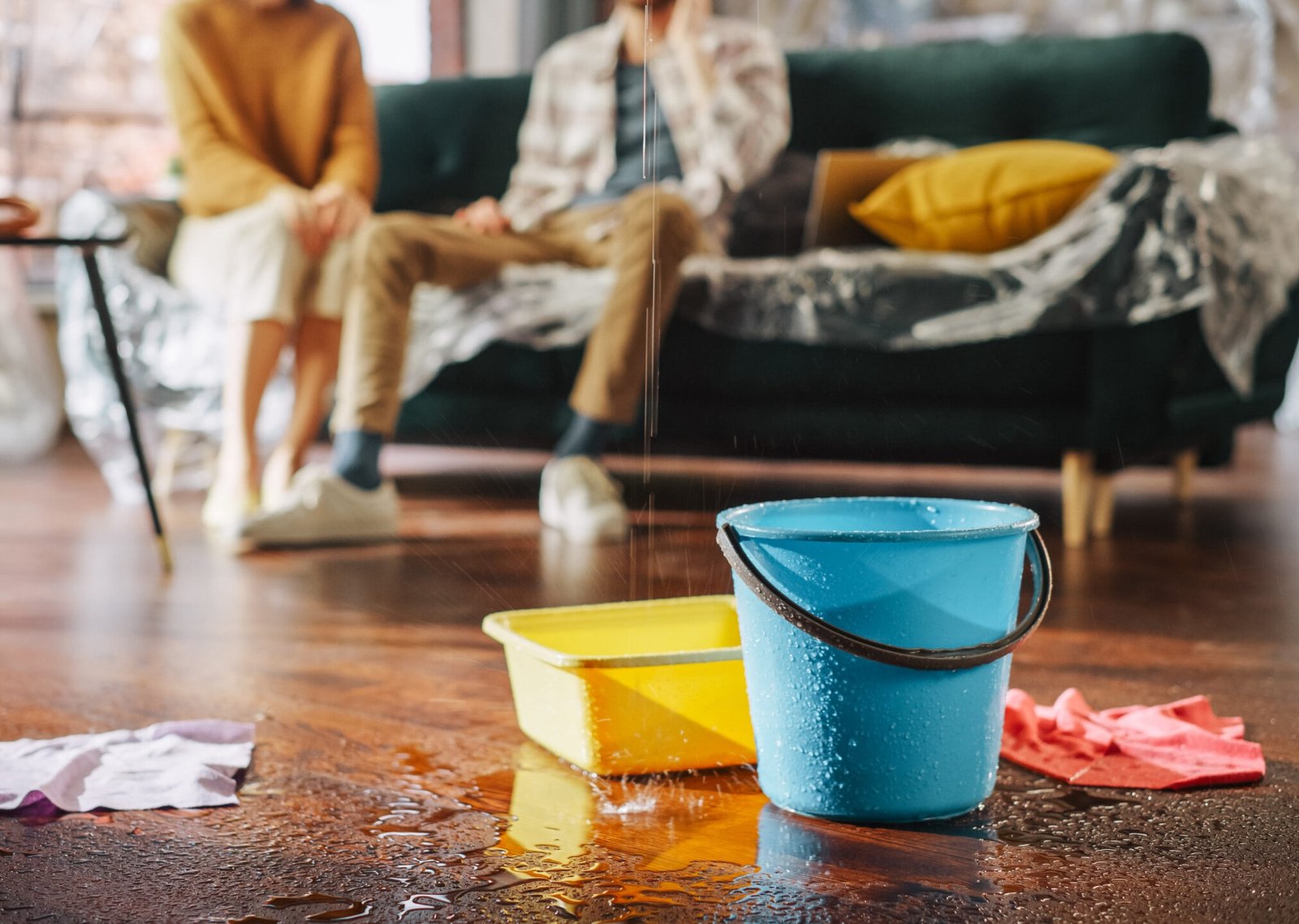
A plumbing disaster can turn your home into a hazardous environment in a matter of minutes. When sewage overflows or a sewer line backs up, it’s not just water—it’s contaminated wastewater that poses serious health risks. Understanding the essentials of sewage clean up is critical for every homeowner to ensure safety, prevent property damage, and restore the home efficiently. This guide provides a comprehensive overview of what homeowners need to know after a plumbing disaster.
Understanding the Risks of Sewage Exposure
Sewage contains bacteria, viruses, and parasites that can cause diseases ranging from mild gastroenteritis to severe infections. Exposure can occur through direct contact with contaminated water, inhalation of airborne particles, or even by touching surfaces that have come in contact with sewage. Beyond health risks, sewage can damage floors, walls, furniture, and appliances, leaving behind lingering odors and structural issues if not addressed promptly. This is why timely and proper sewage clean up is crucial.
Immediate Steps to Take After a Plumbing Disaster
When faced with a plumbing disaster, immediate action can minimize damage and health risks. First, ensure that all residents and pets are kept away from the affected area. Shut off the water supply to prevent further flooding and, if necessary, turn off electricity in areas with standing water to avoid electrical hazards. Documenting the damage through photos or videos is important for insurance purposes. Next, call a professional sewage clean up service. While some minor spills may be manageable, the contamination level of sewage requires specialized equipment and expertise.
Professional Sewage Clean Up Services
Professional sewage clean up companies are trained to handle contaminated water safely. They use industrial-grade pumps, vacuums, and disinfectants to remove waste and sanitize affected areas. Technicians also assess structural damage, remove debris, and dry out the property to prevent mold growth. Mold can begin forming within 24–48 hours after water exposure, making professional drying and dehumidification essential. Additionally, these experts follow strict safety protocols, including wearing protective gear, which reduces the risk of infection or injury during the clean up process.
Assessing Damage and Salvaging Property
After sewage exposure, not all items can be salvaged. Porous materials such as carpets, drywall, insulation, and upholstered furniture often absorb contaminants and may need to be discarded. Non-porous surfaces like tile, metal, and glass can typically be cleaned and disinfected. Homeowners should work closely with the sewage clean up professionals to identify what can be restored and what must be removed. This assessment also helps streamline insurance claims, ensuring that losses are documented accurately.
Preventing Secondary Damage
One of the biggest concerns after a plumbing disaster is secondary damage, including mold growth, structural weakening, and lingering odors. Professional sewage clean up teams implement rapid drying techniques using air movers, dehumidifiers, and specialized ventilation to prevent moisture buildup. They also apply antimicrobial treatments to stop bacteria and mold proliferation. Acting quickly not only protects your home but also reduces the long-term costs of repairs and replacements.
Safety Precautions for Homeowners
Even after professional intervention, homeowners should take precautions when returning to a property affected by sewage. Avoid direct contact with surfaces until confirmed safe, and always wear gloves and protective clothing when handling potentially contaminated items. Disinfecting tools, buckets, and any reusable cleaning equipment is important to prevent cross-contamination. Ensure that children and pets are kept away from treated areas until the space is fully safe.
Choosing the Right Sewage Clean Up Service
Selecting a reliable sewage clean up company is critical for effective restoration. Look for companies with proper certifications, experience in handling sewage, and positive customer reviews. They should offer comprehensive services, including water extraction, sanitation, drying, and mold prevention. Some companies also provide emergency response services, which is particularly valuable in time-sensitive plumbing disasters. Checking if the company is licensed and insured protects homeowners from liability and guarantees professional standards are met.
Understanding Insurance Coverage
Many homeowners’ insurance policies cover water damage resulting from plumbing failures, but coverage for sewage-related incidents can vary. It’s important to review your policy and communicate with your insurance agent to confirm what is included. Professional sewage clean up companies often work directly with insurance adjusters, providing documentation and estimates that make the claims process smoother. This partnership can save time and reduce stress during an already challenging situation.
Preventing Future Plumbing Disasters
After dealing with a sewage disaster, taking preventive measures is essential. Regular maintenance of plumbing systems, including inspecting pipes for cracks, clearing drains, and monitoring sewer lines, can reduce the risk of backups. Installing backflow preventers and sump pumps in vulnerable areas can also help mitigate damage. Educating household members on what should and shouldn’t be flushed or poured down drains prevents clogs that can lead to sewage overflows. These proactive steps, combined with knowledge of emergency procedures, ensure that homeowners are better prepared for future incidents.
The Importance of Timely Action
Time is critical when it comes to sewage clean up. The longer contaminated water sits in your home, the greater the risk of structural damage, mold growth, and health hazards. Immediate response, whether by initiating temporary safety measures or calling a professional service, makes a significant difference in the overall recovery process. Remember, quick action not only protects your home but also ensures the safety and well-being of your family.
Conclusion
A plumbing disaster involving sewage is a serious event that requires careful and professional attention. Understanding the risks, taking immediate safety steps, and hiring experienced sewage clean up services are essential to protect both health and property. Homeowners who are proactive in maintenance, knowledgeable about insurance coverage, and prepared for emergencies can minimize the impact of sewage-related incidents. By prioritizing timely response and professional restoration, you can ensure your home remains safe, healthy, and habitable even after a plumbing disaster.
Sewage incidents are stressful, but with the right information and professional support, recovery is manageable. Being informed and prepared is the first line of defense against the hazards posed by plumbing disasters and contaminated water.