
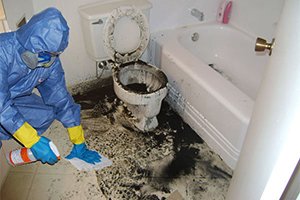
A sewage backup can be one of the most stressful and hazardous situations a homeowner can face. Not only does it cause damage to property, but it also poses serious health risks due to exposure to harmful bacteria and pathogens. When confronted with sewage backup cleaning, homeowners often face a critical decision: should they handle the cleanup themselves using DIY methods, or hire professional services to manage the situation? Understanding the pros, cons, and risks of each approach is essential for making an informed choice.
Understanding Sewage Backup and Its Risks
Sewage backup occurs when wastewater from toilets, sinks, or drains flows backward into your home due to clogged pipes, sewer line problems, or heavy rainfall. Unlike a simple leak, sewage contains contaminants, including bacteria, viruses, and chemical pollutants, which can lead to severe health issues if not handled correctly. Immediate action is necessary to minimize property damage and reduce health risks.
The severity of a sewage backup depends on its source. A minor sink overflow might seem manageable, but a complete sewer line blockage can cause significant flooding and structural damage. This distinction is important when deciding between DIY solutions and professional sewage backup cleaning.
DIY Sewage Backup Cleaning: Benefits and Limitations
Many homeowners consider DIY solutions for sewage backup cleaning to save money or quickly address the problem. With the right equipment and precautions, small-scale backups can sometimes be handled at home. Common DIY methods include using protective gear, household disinfectants, and basic plumbing tools to remove water and sanitize affected areas.
The primary benefit of DIY sewage backup cleaning is cost savings. Hiring a professional can be expensive, especially if extensive cleanup or restoration is required. Additionally, some minor backups can be resolved without professional intervention if caught early, reducing the need for specialized equipment.
However, DIY cleaning comes with significant limitations. Sewage contains pathogens that can lead to serious illnesses, including E. coli infections, hepatitis, and respiratory problems. Homeowners may not have access to industrial-grade disinfectants or equipment capable of fully sanitizing contaminated areas. Furthermore, improper handling of sewage can exacerbate damage to flooring, walls, and plumbing systems, ultimately increasing repair costs.
Professional Sewage Backup Cleaning: Expertise and Safety
Professional sewage backup cleaning services offer a comprehensive approach to handling contaminated water and restoring affected areas. Trained technicians use advanced equipment, such as industrial pumps, high-pressure washers, and specialized disinfectants, to remove sewage and prevent further contamination. Professionals also have the knowledge to identify underlying plumbing issues that may have caused the backup, ensuring long-term solutions rather than temporary fixes.
One of the key advantages of professional services is safety. Certified technicians follow strict protocols to protect themselves and residents from exposure to harmful pathogens. They use personal protective equipment (PPE), employ proper ventilation techniques, and safely dispose of contaminated materials. This level of safety is difficult to achieve in a DIY setting, where homeowners may underestimate the risks associated with sewage backup cleaning.
Additionally, professionals provide thorough restoration services. Beyond removing the sewage, they often repair water-damaged areas, apply antimicrobial treatments, and address structural concerns. This ensures that homes are not only cleaned but also restored to a safe, habitable condition.
Cost Considerations
While professional sewage backup cleaning can be costly, it is an investment in safety and long-term property protection. DIY solutions may seem cheaper initially, but mistakes or incomplete cleaning can result in higher repair costs and health risks. When calculating the financial aspect, homeowners should consider the potential expenses of medical treatment, property repairs, and further plumbing issues if DIY methods fail.
Insurance coverage is another factor. Many homeowner insurance policies cover sewage backups if they result from sudden, accidental causes like pipe bursts or sewer line blockages. Hiring a licensed professional can facilitate insurance claims, as insurers often require documented evidence of proper cleaning and restoration.
Making the Right Choice
Deciding between professional and DIY sewage backup cleaning depends on several factors: the severity of the backup, the homeowner’s comfort level with handling hazardous materials, the availability of equipment, and the potential risks involved. Minor backups confined to a small area may be manageable with DIY methods if proper safety measures are followed. For larger incidents, widespread flooding, or cases involving multiple contaminated areas, professional services are the safest and most effective option.
Homeowners should also consider the long-term implications. Professionals not only clean the immediate mess but also address underlying plumbing issues and prevent recurring problems. DIY solutions, while tempting for quick fixes, may leave hidden contamination or structural damage that could worsen over time.
Preventive Measures
Prevention is always preferable to cleanup. Homeowners can reduce the likelihood of sewage backups by taking proactive steps. Regular maintenance of plumbing systems, careful disposal of grease and non-flushable items, and the installation of backwater valves can help prevent blockages. Routine inspections by professionals can identify potential problems before they escalate, minimizing the need for extensive sewage backup cleaning in the future.
Conclusion
Sewage backup cleaning is a critical task that requires careful consideration of health risks, property damage, and long-term consequences. DIY solutions may be suitable for minor incidents if proper precautions are taken, but they carry significant limitations and dangers. Professional cleaning services provide expertise, safety, and comprehensive restoration, making them the preferred choice for severe or widespread backups. Ultimately, the decision should balance cost, safety, and effectiveness, with an emphasis on protecting both the home and the health of its occupants. Investing in professional sewage backup cleaning not only resolves the immediate problem but also ensures peace of mind and long-term property protection.
By understanding the risks and benefits of each approach, homeowners can make informed decisions and respond effectively to sewage emergencies, keeping their homes safe and sanitary.