
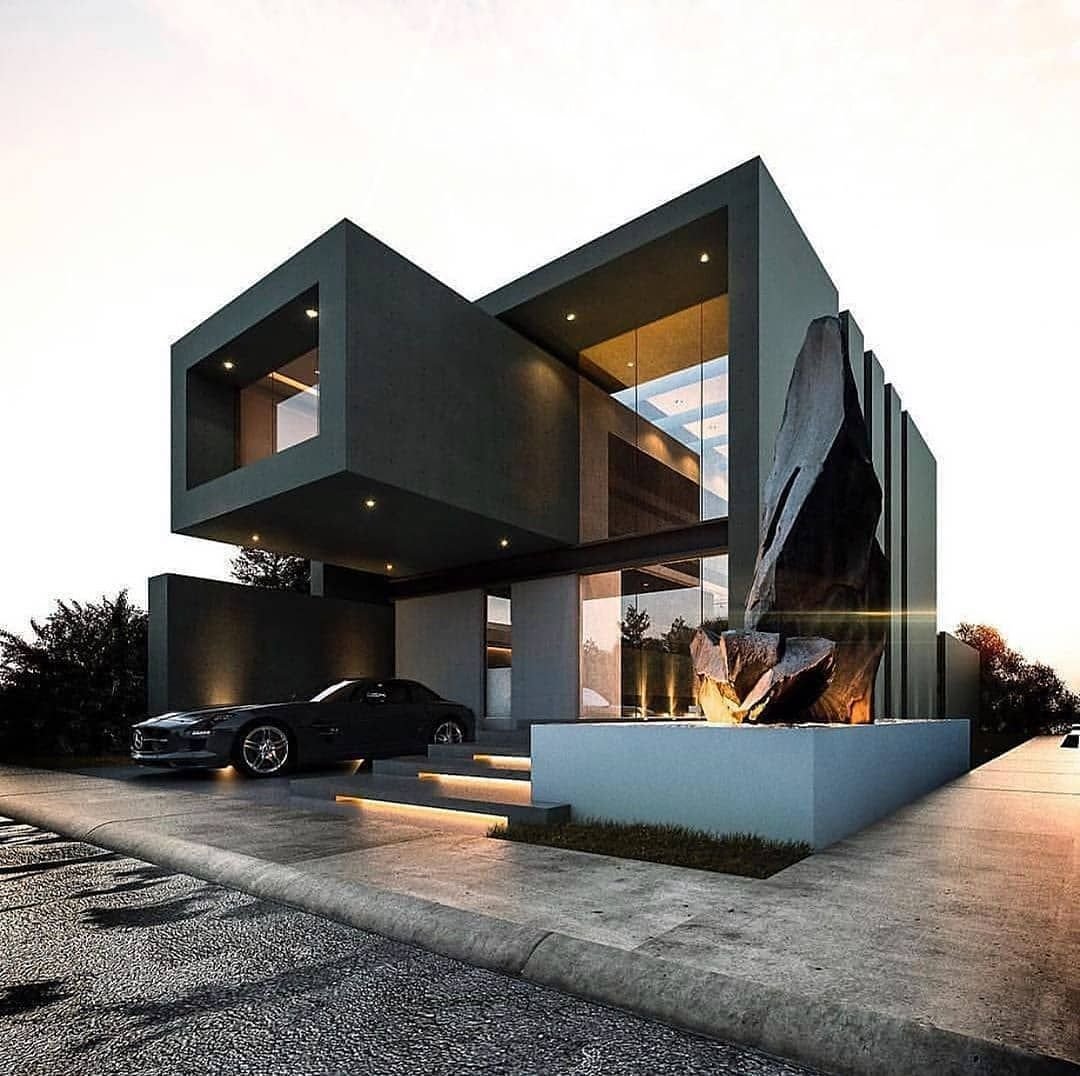
Modern architecture and design are undergoing a profound transformation, driven by technological advances, evolving societal needs, and environmental imperatives. Today, architects and urban planners are not merely constructing buildings; they are crafting experiences, reshaping urban landscapes, and rethinking the way humans interact with space. The integration of innovative strategies in design has become essential for sustainable, functional, and aesthetically engaging environments.
One of the key elements influencing modern architecture is the concept of land use zoning. Land use zoning, a regulatory framework that determines how land can be used in different parts of a city or region, plays a crucial role in shaping architectural possibilities. By defining residential, commercial, industrial, and mixed-use zones, planners create the foundational structure within which architects must operate. Modern design approaches embrace these constraints creatively, transforming zoning limitations into opportunities for innovative spatial arrangements. For instance, multi-functional developments now merge residential units with coworking spaces, cultural centers, and retail outlets, fostering vibrant, self-sustaining communities.
Adaptive reuse is another cornerstone of contemporary architectural innovation. Rather than demolishing outdated structures, architects increasingly repurpose existing buildings to meet modern demands. Adaptive reuse not only preserves cultural heritage but also aligns with sustainable practices by reducing material consumption and waste. This approach often intersects with land use zoning considerations, as repurposed buildings may need to navigate zoning restrictions to accommodate new functions. Examples of this can be seen in urban centers where former industrial warehouses are transformed into loft apartments, art galleries, or tech hubs, redefining the urban aesthetic and functionality.
Technology-driven design is also reshaping how architects approach space. Advanced software enables precise modeling of complex structures, optimizing both form and function. Parametric design, for instance, uses algorithmic processes to create structures that adapt to environmental, social, and structural parameters. This method allows architects to explore innovative geometries, sustainable airflow systems, and optimized natural lighting. Integrating technology with land use zoning ensures that these advanced designs not only push aesthetic boundaries but also comply with regulatory frameworks, resulting in structures that are both visionary and legally grounded.
Sustainability has become a central concern in modern architecture. Architects are increasingly designing buildings that minimize environmental impact, utilizing energy-efficient materials, green roofs, and renewable energy sources. Urban planning and land use zoning intersect here as well; for instance, zoning regulations can encourage mixed-use developments that reduce commute distances and promote public transit. Thoughtful integration of sustainability principles with zoning guidelines leads to urban environments that are not only ecologically responsible but also enhance the quality of life for residents. Concepts such as vertical gardens, solar facades, and rainwater harvesting systems illustrate how modern architecture responds to ecological challenges while respecting regulatory constraints.
The concept of flexible space is also gaining prominence. In an era where work patterns, lifestyle preferences, and population densities are constantly evolving, architectural designs must accommodate adaptability. Open-plan layouts, modular furniture, and convertible spaces enable buildings to serve multiple purposes over time. Flexible spaces often align with land use zoning by allowing developers to adapt units for commercial, residential, or mixed purposes without extensive structural modifications. Such versatility ensures longevity and economic viability, making architectural projects more resilient to shifting demands.
Community engagement has emerged as a critical factor in modern architectural practice. Architects now recognize that successful spaces are those that reflect the needs, culture, and aspirations of their users. Participatory design processes, where community members contribute to the planning and design of projects, have led to more inclusive, human-centered spaces. Land use zoning provides a framework for these engagements, ensuring that proposed designs meet local regulations while still encouraging creative solutions. Projects that incorporate community input often foster a sense of ownership and pride among residents, enhancing social cohesion and the overall success of the development.
In addition to functionality and sustainability, aesthetic innovation remains a defining feature of contemporary architecture. Architects increasingly blend art, culture, and design to create visually striking environments that resonate with users. The interplay of light, shadow, texture, and form transforms ordinary spaces into immersive experiences. Modern designs often draw inspiration from nature, history, and local culture, integrating these influences into structures that harmonize with their surroundings. Land use zoning ensures that such aesthetic endeavors are compatible with the broader urban context, balancing creativity with regulation.
Urban densification is another trend influencing modern architectural approaches. As cities face population growth, architects must design compact yet livable environments. High-rise buildings, mixed-use developments, and shared community amenities help optimize land use. Effective implementation of land use zoning is essential in this context, guiding the distribution of residential, commercial, and recreational spaces while mitigating congestion and preserving green areas. Innovative solutions, such as sky gardens, rooftop parks, and interconnected pedestrian pathways, demonstrate how thoughtful design can enhance urban density without sacrificing quality of life.
Modern architecture also embraces the integration of digital experiences within physical spaces. Smart buildings, equipped with sensors, automation systems, and data-driven management tools, are becoming increasingly common. These technologies optimize energy consumption, improve security, and enhance user comfort. Land use zoning regulations are adapting to accommodate such technological integration, allowing for smart urban infrastructures that respond to both human activity and environmental conditions. The fusion of digital and physical spaces exemplifies the forward-thinking mindset that defines contemporary design.
Finally, collaboration across disciplines is essential for rethinking space in the modern era. Architects, urban planners, engineers, environmental scientists, and policymakers must work together to create holistic, functional, and sustainable designs. Land use zoning serves as a common framework for these collaborations, providing clarity and structure while allowing for creative problem-solving. Interdisciplinary approaches result in environments that are not only visually compelling but also socially equitable, environmentally responsible, and economically viable.
In conclusion, modern architecture and design are defined by innovation, adaptability, and a commitment to sustainability. By embracing advanced technologies, flexible design principles, and community engagement, architects are rethinking how space is utilized and experienced. Land use zoning, far from being a restrictive force, provides a structured canvas that guides and enhances these innovations. The result is a built environment that harmonizes aesthetics, functionality, and regulation, offering resilient, vibrant, and inspiring spaces for contemporary society. As cities and communities continue to evolve, the marriage of visionary design with thoughtful planning will define the next era of architecture, proving that rethinking space is not just a creative endeavor—it is a necessity for the future.