
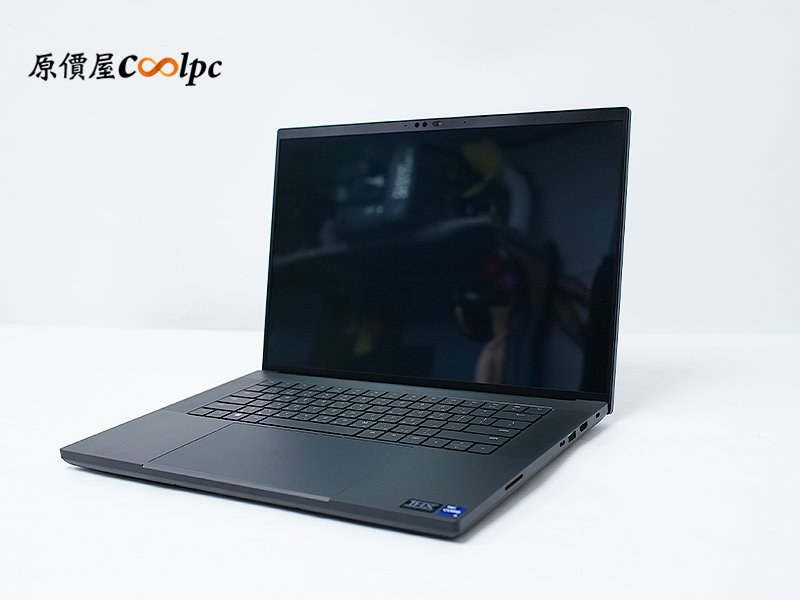
A laptop that refuses to power on can instantly disrupt productivity and cause unnecessary stress. Whether the device shows no lights, no sound, or no screen activity, the issue is often less serious than it appears. Many users assume hardware failure immediately, but in most cases, 筆電無法開機 is caused by common and fixable problems. Understanding the root causes allows users to apply smart solutions without rushing to a repair shop.
Power Supply Problems You Should Check First
The most frequent cause of a laptop not powering on is a faulty power source. A damaged charging cable, loose adapter connection, or non-functioning wall outlet can prevent electricity from reaching the laptop. Always test the outlet with another device and inspect the charger for visible wear. Using an incompatible or low-quality charger can also trigger 筆電無法開機, even if the laptop appears to be charging intermittently.
Battery Failure and Charging Issues
Laptop batteries degrade over time and may stop holding a charge completely. If your laptop does not respond when unplugged, the battery could be the culprit. Try removing the battery and powering the laptop using only the charger. If it starts successfully, battery replacement is likely needed. Aging batteries are one of the most common long-term causes of 筆電無法開機.
Power Reset for Hidden Electrical Glitches
Residual electrical charge can block startup processes. To clear this, shut down the laptop, unplug the charger, remove the battery if possible, and press the power button for 30–60 seconds. This resets the internal power system and often resolves cases of 筆電無法開機 caused by static buildup or firmware confusion.
Display and Screen-Related Failures
Sometimes the laptop powers on but does not display anything. If you hear fans running or see indicator lights, the system may be active without visual output. Connect the laptop to an external monitor to test display functionality. A faulty screen or damaged display cable can make users believe they are dealing with 筆電無法開機 when the issue is actually visual.
Internal Hardware Connections
Loose RAM or storage drives can prevent the laptop from starting. If you are comfortable opening the back panel, carefully reseat the memory modules and ensure all internal components are securely connected. Dust buildup can also interfere with connections and contribute to repeated startup failures.
Software and Firmware Errors
Improper shutdowns, failed updates, or corrupted firmware can stop a laptop from booting. If the laptop shows power but does not load the operating system, access the BIOS or UEFI menu and reset settings to default. Software-related issues are often overlooked causes of 筆電無法開機.
Preventive Measures for Long-Term Stability
Using certified chargers, avoiding overheating, keeping the system clean, and shutting down properly all reduce the risk of future power problems. Regular maintenance helps ensure that 筆電無法開機 remains a rare and manageable issue.
Final Thoughts
A laptop that won’t power on does not automatically mean expensive repairs. By addressing power sources, batteries, internal connections, and software issues, most users can resolve 筆電無法開機 efficiently and safely.