
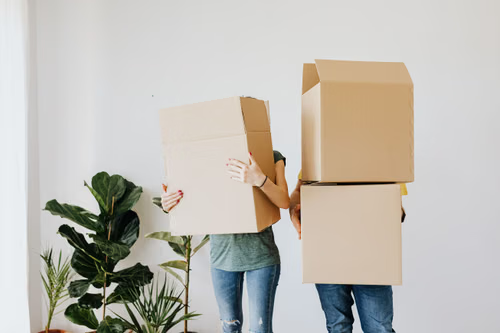
Moving to a new home is exciting, but packing fragile belongings can quickly become one of the most stressful parts of the process. Glassware, dishes, mirrors, electronics, artwork, antiques, and sentimental keepsakes are often irreplaceable, making their protection a top priority during relocation. Whether you are moving locally or across the country, Tetrisflytt Stockholm can help ensure your delicate belongings are handled with care while using professional packing and transportation techniques. Using the proper packing methods can also significantly reduce the risk of damage during the move.
Many people assume that simply wrapping an item in newspaper or placing it inside a box is enough. However, safe packing requires careful preparation, high-quality materials, proper labeling, and strategic placement inside the moving truck. Taking the time to pack fragile items correctly can save money, prevent disappointment, and make unpacking much easier.
This guide explains everything you need to know about safely packing fragile items for your next move.
Why Proper Packing Matters
Fragile belongings are vulnerable to impacts, vibration, pressure, and sudden movement during transportation. Even experienced moving companies cannot prevent every bump in the road, which is why proper packing is your first line of defense.
Correct packing helps:
- Prevent cracks and chips.
- Protect valuable and sentimental belongings.
- Reduce replacement costs.
- Simplify unpacking.
- Improve organization during the move.
- Minimize insurance claims.
Investing a little extra time before moving day can save hundreds or even thousands of dollars in damaged possessions.
Gather the Right Packing Supplies
Using quality packing materials makes a significant difference. Avoid using old, damaged boxes or weak tape that may fail during transport.
Essential packing supplies include:
- Sturdy moving boxes in multiple sizes.
- Heavy-duty packing tape.
- Bubble wrap.
- Packing paper.
- Foam sheets.
- Packing peanuts.
- Stretch wrap.
- Permanent markers.
- Fragile labels.
- Dish divider boxes.
- Corner protectors for artwork and mirrors.
- Zip-lock bags for small hardware.
Although purchasing these materials requires a small investment, they provide valuable protection for expensive items.
Declutter Before Packing
Before wrapping every fragile object, decide what is truly worth moving.
Ask yourself:
- Do I still use this item?
- Is it worth the cost of transporting?
- Can it be replaced more easily than moved?
- Is it damaged beyond repair?
Selling, donating, or recycling unnecessary items reduces moving costs and gives you fewer delicate belongings to protect.
Use the Right Size Box
Choosing the correct box size is often overlooked.
Heavy fragile items such as dishes should always be packed in smaller boxes to prevent excessive weight. Lightweight decorative pieces may be placed in larger containers as long as they are properly cushioned.
Avoid leaving large empty spaces inside boxes because movement during transport increases the risk of breakage.
Wrap Every Item Individually
Never place fragile objects directly into a box without wrapping them first.
Use packing paper or bubble wrap to individually protect each item.
For especially delicate pieces:
- Wrap once with packing paper.
- Add a second layer of bubble wrap.
- Secure with tape.
- Avoid placing tape directly on delicate surfaces.
Individual wrapping prevents objects from rubbing together during transportation.
How to Pack Glassware
Glass items require extra attention because they break easily.
Follow these steps:
- Place crumpled packing paper at the bottom of the box.
- Stuff the inside of glasses with paper.
- Wrap each glass individually.
- Place glasses upright instead of laying them sideways.
- Fill empty spaces with bubble wrap or paper.
- Seal the box securely.
- Clearly label it “Fragile.”
Wine glasses should receive additional padding around their stems, which are particularly vulnerable to snapping.
Packing Plates and Dishes
Many people mistakenly stack plates flat inside moving boxes.
Instead:
- Wrap every plate separately.
- Stand plates vertically like records.
- Use dish divider boxes whenever possible.
- Place heavier dishes at the bottom.
- Fill gaps with paper.
Vertical placement distributes pressure more evenly and reduces breakage.
Packing Bowls and Cups
Bowls should be nested carefully with cushioning between each one.
Cups and mugs should be wrapped individually, paying special attention to handles since they are common breaking points.
Avoid placing heavy objects on top of packed kitchenware.
Packing Mirrors
Mirrors require specialized care.
Begin by placing masking tape in an “X” across the glass surface. While this will not prevent breaking, it helps minimize shattered pieces if damage occurs.
Wrap the mirror using:
- Foam sheets.
- Bubble wrap.
- Cardboard corner protectors.
- Mirror-specific moving boxes.
Always transport mirrors upright rather than flat.
Packing Picture Frames and Artwork
Paintings and framed photographs are highly susceptible to scratches and cracked glass.
Protect artwork by:
- Wrapping in acid-free paper.
- Covering with bubble wrap.
- Using corner protectors.
- Placing inside specialty art boxes.
Never stack heavy boxes on top of artwork during transport.
Packing Electronics
Electronics require protection from both impact and moisture.
Whenever possible, use the manufacturer’s original packaging.
If unavailable:
- Remove batteries.
- Disconnect cables.
- Label wires.
- Wrap devices in anti-static material.
- Cushion thoroughly.
Televisions should always remain upright during transportation.
Packing Lamps
Disassemble lamps whenever possible.
Remove:
- Light bulbs.
- Lamp shades.
- Decorative pieces.
Wrap each component individually before placing them together inside a properly padded box.
Packing Vases
Vases often have unusual shapes that make packing difficult.
Fill the inside with packing paper before wrapping the exterior.
Use plenty of bubble wrap and position the vase in the center of the box surrounded by cushioning material.
Packing Antiques
Antiques often have both monetary and sentimental value.
Avoid newspaper because ink may transfer onto delicate finishes.
Instead use:
- Acid-free tissue paper.
- Foam sheets.
- Bubble wrap.
- Custom boxes if necessary.
Consider professional packing services for especially valuable antiques.
Protect Jewelry
Keep jewelry with you rather than placing it in the moving truck.
Store valuable items inside:
- Jewelry organizers.
- Small padded containers.
- Lockable travel cases.
Photograph expensive pieces before moving for insurance purposes.
Packing Collectibles
Collections such as figurines, coins, sports memorabilia, or porcelain decorations deserve individual attention.
Wrap every piece separately and label boxes with detailed descriptions.
Avoid overpacking boxes containing collectible items.
Label Every Box Clearly
Labeling is one of the simplest yet most effective ways to prevent damage.
Include:
- Room destination.
- Contents.
- “Fragile.”
- “This Side Up.”
- Priority unpacking if needed.
Visible labels help movers handle boxes more carefully.
Fill Every Empty Space
Movement inside the box is one of the biggest causes of damage.
After placing wrapped items inside:
- Fill gaps with packing paper.
- Add bubble wrap.
- Use foam peanuts if necessary.
A properly packed box should have little to no internal movement.
Avoid Common Packing Mistakes
Many broken items result from avoidable errors.
Common mistakes include:
- Using oversized boxes.
- Overloading containers.
- Skipping bubble wrap.
- Packing heavy and light items together.
- Leaving empty spaces.
- Reusing damaged boxes.
- Forgetting labels.
- Using insufficient tape.
Avoiding these mistakes greatly improves the safety of your belongings.
Load Fragile Boxes Properly
Even perfectly packed boxes can break if loaded incorrectly.
When loading the moving truck:
- Place fragile boxes on top of heavier items.
- Avoid stacking excessive weight.
- Secure boxes to prevent shifting.
- Keep mirrors and artwork upright.
- Never place furniture on fragile containers.
Strategic loading protects your careful packing efforts.
Should You Hire Professional Packers?
Professional packing services can be worthwhile if you own valuable items.
Benefits include:
- Expert packing techniques.
- High-quality materials.
- Faster packing.
- Reduced risk of damage.
- Insurance options.
While hiring professionals costs more, it can provide peace of mind during complex moves.
Unpacking Fragile Items
Once you arrive at your new home, unpack carefully.
Inspect each box before opening.
Remove packing materials slowly and check for damage before disposing of boxes.
Save quality packing supplies for future moves or storage.
Take your time rather than rushing through the unpacking process.
Final Thoughts
Packing fragile items safely requires patience, organization, and the right materials. Every extra layer of protection helps reduce the chances of damage during transportation. By choosing sturdy boxes, wrapping each item individually, filling empty spaces, labeling boxes clearly, and loading the moving truck carefully, you can significantly improve the safety of your valuable belongings.
Whether you are relocating across the city or across the country, following these packing techniques will help ensure that your glassware, dishes, electronics, artwork, antiques, and treasured keepsakes arrive in excellent condition. A little preparation goes a long way toward making your move smoother, safer, and far less stressful.