
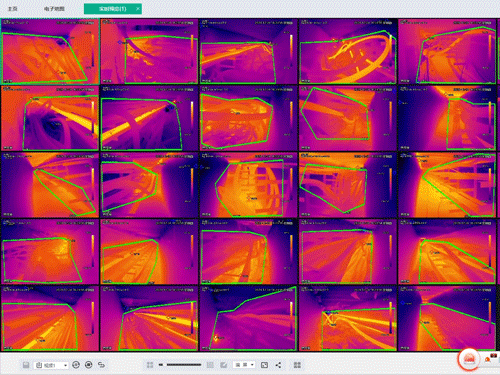
Introduction to Electrical Thermal Imaging
Electrical systems are the backbone of modern infrastructure, powering everything from homes to industrial facilities. However, hidden faults such as overheating components, loose connections, and overloaded circuits can lead to costly failures or even dangerous hazards. This is where thermal imaging for electrical applications becomes essential.
An electrical thermal imaging camera is a specialized device designed to detect heat patterns and visualize temperature differences in electrical systems. By converting infrared radiation into visible images, these cameras allow technicians to identify issues before they escalate into serious problems.
In this article, we will explore the key features, practical uses, and a complete buying guide for choosing the right electrical thermal imaging camera, with a focus on solutions offered by Guide Sensmart.
What is an Electrical Thermal Imaging Camera?
An electrical thermal imaging camera is a tool that detects infrared energy (heat) emitted by objects and converts it into a visual image known as a thermogram. In electrical systems, abnormal heat often indicates inefficiency or failure.
Using thermal imaging for electrical inspections enables professionals to:
- Detect overheating wires and components
- Identify loose or corroded connections
- Monitor load imbalances
- Prevent unexpected downtime
Guide Sensmart offers advanced thermal imaging solutions tailored specifically for electrical diagnostics, ensuring accurate and reliable results in various environments.
Key Features of Electrical Thermal Imaging Cameras
High Thermal Resolution
One of the most important features is thermal resolution, which determines the clarity of the heat image. Higher resolution allows for more precise detection of small temperature differences, making it easier to pinpoint issues in complex electrical systems.
Guide Sensmart cameras are designed with high-resolution sensors, ensuring detailed imaging for accurate diagnostics.
Wide Temperature Range
Electrical components can experience a wide range of temperatures. A good thermal imaging camera should be capable of measuring both low and extremely high temperatures without losing accuracy.
This is particularly important in thermal imaging for electrical inspections where overheating components can exceed safe operating limits.
Real-Time Imaging
Real-time thermal imaging allows technicians to instantly view temperature changes as they occur. This feature is essential for live inspections and troubleshooting in dynamic electrical environments.
Image and Video Storage
Modern thermal cameras come with built-in storage for capturing images and videos. This allows users to document findings, generate reports, and track changes over time.
Guide Sensmart devices often include advanced storage and connectivity options for efficient data management.
User-Friendly Interface
Ease of use is critical, especially for technicians working in the field. Intuitive controls, touchscreen displays, and simple navigation improve efficiency and reduce training time.
Connectivity and Reporting
Many thermal imaging cameras support Wi-Fi or USB connectivity, enabling users to transfer data quickly. Advanced reporting tools help create professional inspection reports, which are crucial for maintenance planning.
Uses of Thermal Imaging for Electrical Applications
Preventive Maintenance
Preventive maintenance is one of the most common uses of thermal imaging for electrical systems. By regularly scanning equipment, technicians can identify potential issues before they lead to failure.
This helps reduce downtime, lower repair costs, and improve overall system reliability.
Detecting Overheating Components
Overheating is a clear indicator of electrical problems. Thermal cameras can quickly identify hotspots in:
- Circuit breakers
- Transformers
- Switchgear
- Wiring systems
Guide Sensmart thermal cameras provide precise temperature readings, making it easier to detect and resolve overheating issues.
Identifying Loose Connections
Loose or corroded connections create resistance, which generates heat. These issues are often invisible to the naked eye but can be easily detected using thermal imaging.
Load Analysis
Thermal imaging helps in analyzing electrical load distribution. Uneven loads can cause overheating and reduce system efficiency. By identifying imbalances, technicians can optimize performance.
Safety Inspections
Electrical hazards can pose serious risks, including fires and equipment damage. Using thermal imaging for electrical inspections enhances safety by identifying risks early.
Industrial Applications
In industrial settings, thermal imaging is widely used for monitoring large electrical systems, ensuring continuous operation, and preventing costly shutdowns.
Guide Sensmart solutions are particularly well-suited for industrial environments due to their durability and high performance.
Benefits of Using Guide Sensmart Thermal Cameras
Advanced Technology
Guide Sensmart integrates cutting-edge infrared technology into its products, ensuring high accuracy and reliability in thermal imaging.
Durability and Reliability
Electrical inspections often take place in harsh environments. Guide Sensmart cameras are built to withstand tough conditions while maintaining consistent performance.
Cost-Effective Solutions
Compared to potential losses caused by electrical failures, investing in thermal imaging equipment is highly cost-effective. Guide Sensmart offers solutions that balance performance and affordability.
Versatility
These cameras are not limited to electrical applications. They can also be used in mechanical inspections, building diagnostics, and more.
Buying Guide for Electrical Thermal Imaging Cameras
Determine Your Application Needs
Before purchasing, consider how you plan to use the camera. For basic inspections, a standard model may suffice. For industrial use, a more advanced device with higher resolution and extended temperature range is recommended.
Consider Resolution and Sensitivity
Higher resolution and thermal sensitivity provide clearer images and more accurate readings. This is especially important in thermal imaging for electrical applications where small temperature differences matter.
Evaluate Temperature Range
Ensure the camera can handle the temperature range of your specific electrical systems. This is crucial for detecting extreme heat conditions.
Check Battery Life
Fieldwork often requires extended usage. A camera with long battery life ensures uninterrupted inspections.
Look for Ease of Use
Choose a device with an intuitive interface and simple controls. This will improve efficiency and reduce the learning curve.
Connectivity Options
Modern cameras should offer easy data transfer options such as USB or wireless connectivity. This helps in creating reports and sharing data quickly.
Budget Considerations
While it may be tempting to choose the cheapest option, investing in a reliable and high-quality camera like those from Guide Sensmart ensures long-term value and performance.
Tips for Effective Use
- Perform regular inspections to catch issues early
- Maintain a safe distance from high-voltage equipment
- Calibrate the camera periodically for accurate readings
- Store and organize captured data for future reference
- Combine thermal imaging with other diagnostic tools for comprehensive analysis
Conclusion
Electrical thermal imaging cameras have become indispensable tools for modern maintenance and safety practices. By leveraging thermal imaging for electrical systems, technicians can detect hidden faults, improve efficiency, and prevent costly failures.
With advanced features, versatile applications, and reliable performance, Guide Sensmart thermal imaging solutions stand out as a trusted choice for professionals. Whether you are conducting routine inspections or managing complex industrial systems, investing in the right thermal imaging camera is a smart decision that