
Understanding the science behind skin health can be confusing, especially when it comes to collagen. Collagen is often hailed as a miracle solution for youthful, elastic skin, but there are many misconceptions about what it can and cannot do. In this article, we’ll separate fact from fiction and explore how to genuinely improve skin elasticity using collagen and other effective beauty products.
What Collagen Is and Why It Matters
Collagen is a protein found in connective tissues, including the skin, tendons, and ligaments. It provides structure, strength, and elasticity to the skin. As we age, collagen production naturally declines, which leads to wrinkles, sagging, and reduced skin elasticity. Many beauty products tout collagen as the key to youthful skin, but it’s important to understand how it actually works.
Myth 1: Applying Collagen Topically Can Replace Natural Collagen
One of the most common misconceptions is that collagen-infused creams or serums can directly boost your body’s collagen levels. The truth is that collagen molecules are generally too large to penetrate the skin deeply. While topical beauty products with collagen can hydrate the skin and improve surface texture, they do not rebuild collagen internally. Products that contain collagen are helpful for moisture retention, but they are not a substitute for your body’s natural collagen production.
Myth 2: Collagen Supplements Work the Same for Everyone
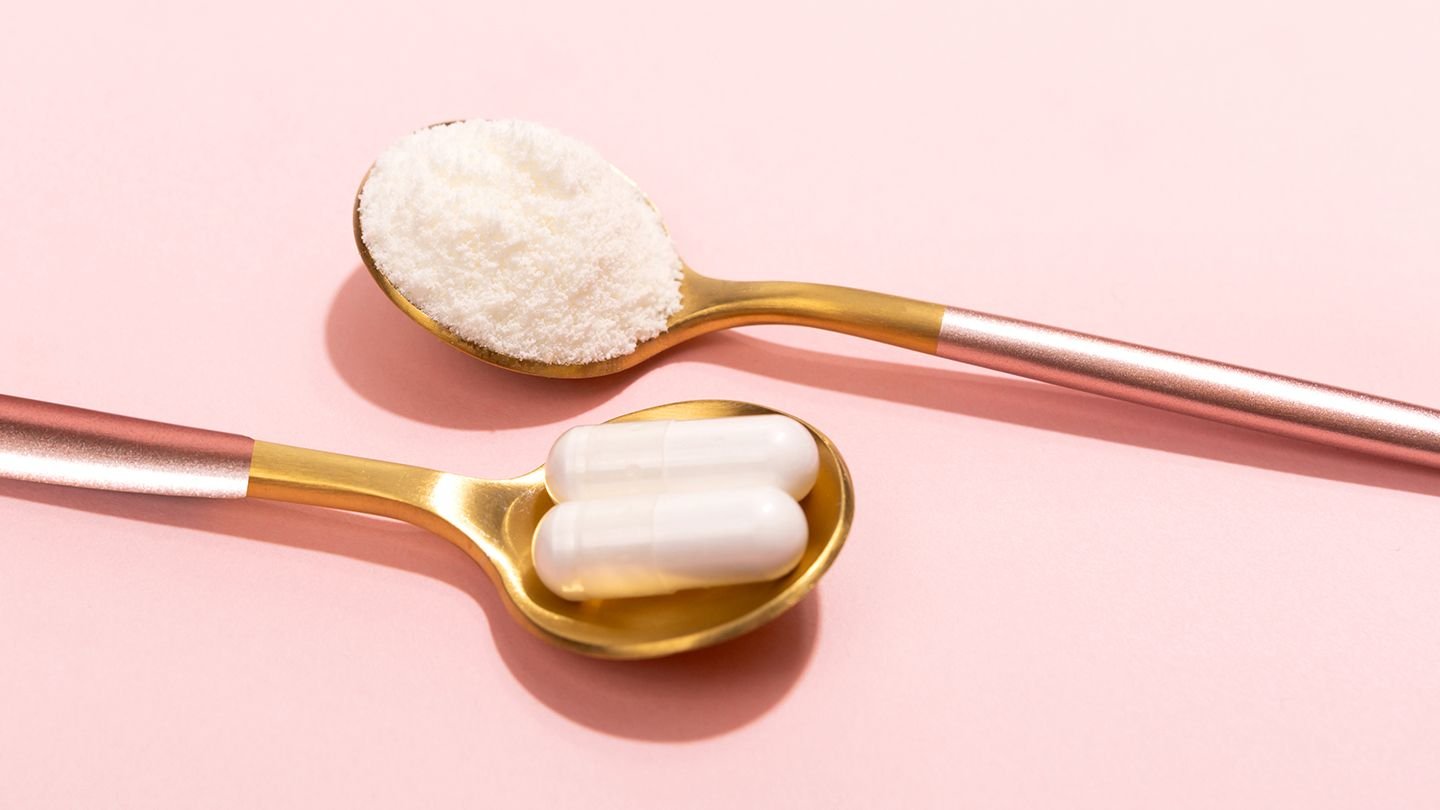
Collagen supplements, usually in the form of powders, capsules, or drinks, are popular for improving skin elasticity. Scientific studies suggest that hydrolyzed collagen, which is broken down into smaller peptides, can be absorbed by the body and may support skin health. However, the effectiveness can vary depending on age, genetics, diet, and overall lifestyle. Collagen supplements are not a magic solution; they work best as part of a broader skincare and nutrition routine.
Myth 3: More Collagen Means Better Skin
It’s tempting to think that taking large amounts of collagen will produce faster results, but the body can only utilize what it needs. Excess collagen is either excreted or stored for other bodily functions. Overloading on supplements does not equate to dramatically improved skin elasticity. A balanced approach that combines moderate supplementation with proper nutrition and skin care is far more effective.
How Nutrition Supports Collagen Production
Collagen production relies on certain nutrients that act as building blocks for your skin. Vitamin C, for example, is essential for collagen synthesis. Amino acids like glycine, proline, and lysine, found in protein-rich foods, also support collagen formation. Iron, copper, and zinc contribute to overall skin health. Incorporating these nutrients through a balanced diet enhances the effectiveness of both collagen supplements and beauty products targeting elasticity.
Beauty Products That Actually Improve Skin Elasticity
While collagen itself may not penetrate deeply, there are beauty products formulated with ingredients that can stimulate collagen production or protect existing collagen. Retinoids, for example, are a class of compounds derived from vitamin A that have been clinically proven to promote collagen synthesis and improve skin elasticity over time. Peptides, small chains of amino acids, can also signal the skin to produce more collagen. Antioxidants such as vitamin C and E help prevent collagen breakdown caused by free radicals, which are unstable molecules generated by sun exposure and pollution.
Lifestyle Factors That Affect Collagen Health
Beyond beauty products and supplements, lifestyle plays a crucial role in maintaining skin elasticity. Smoking, excessive alcohol consumption, and chronic stress can accelerate collagen breakdown. Ultraviolet (UV) radiation from the sun damages collagen fibers, leading to premature aging. Regular exercise and adequate sleep, on the other hand, support overall skin health and encourage natural collagen production. Protecting your skin with sunscreen and a consistent skincare routine is essential to preserve elasticity.
Collagen and Hydration
Hydration is often overlooked but is essential for maintaining skin elasticity. Well-hydrated skin appears plumper and smoother, which can reduce the appearance of fine lines. Many beauty products containing hyaluronic acid, glycerin, or natural oils enhance the skin’s moisture retention. While these ingredients do not create collagen, they complement collagen-focused routines by keeping the skin supple and preventing further elasticity loss.
Combining Collagen with Other Strategies
The most effective approach to improving skin elasticity is not relying solely on collagen. Combining collagen supplements or collagen-boosting beauty products with antioxidants, peptides, retinoids, and proper hydration creates a synergistic effect. Consistent use of these products, alongside a nutrient-rich diet and healthy lifestyle choices, provides a comprehensive strategy for maintaining youthful, elastic skin.
Common Pitfalls to Avoid
It’s easy to fall into marketing traps promising instant results. Avoid products that overpromise and lack scientific backing. Patch testing is also important, as some collagen-infused beauty products can irritate sensitive skin. Remember that skin improvements take time. Collagen-boosting strategies typically show noticeable results over weeks or months, not overnight.
Final Thoughts on Collagen and Skin Elasticity
Collagen is a vital component of healthy skin, but myths about its effects can lead to unrealistic expectations. Topical collagen mainly hydrates, while supplements can support collagen production in the body but are not universally effective. Real improvements in skin elasticity come from a combination of targeted beauty products, proper nutrition, and healthy lifestyle choices. By understanding how collagen truly works and choosing products wisely, you can achieve firmer, more elastic, and radiant skin over time.
Integrating collagen-focused beauty products with science-backed ingredients, maintaining a balanced diet rich in essential nutrients, and protecting your skin from environmental stressors provides the most reliable path to lasting skin health. Instead of chasing every new collagen trend, focus on sustainable practices that nurture your skin from the inside out.