
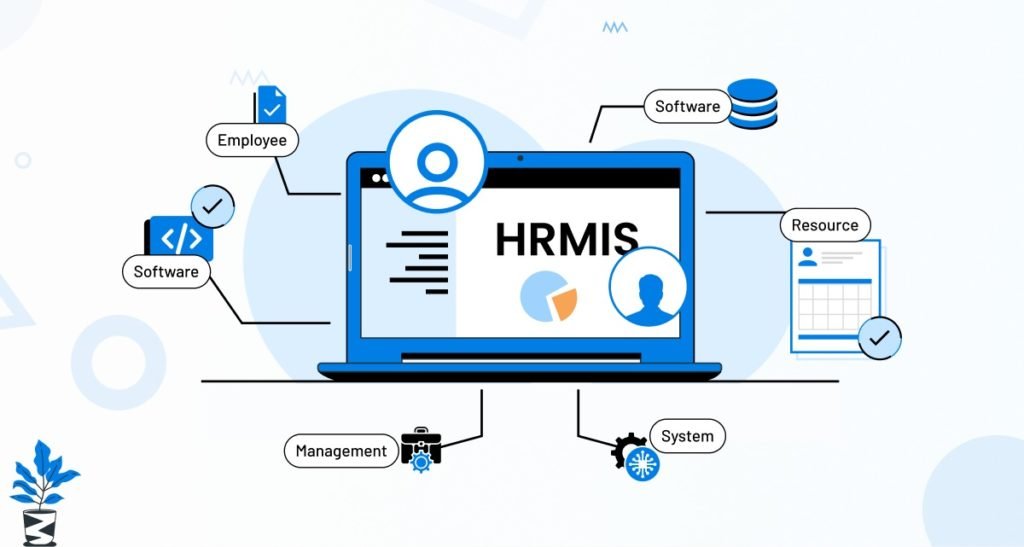
In the modern business landscape, productivity is the ultimate currency. Organizations across all industries constantly search for innovative strategies, advanced tools, and streamlined methodologies to maximize efficiency, reduce operational bottlenecks, and elevate employee performance. Among the numerous technological investments a company can make, one tool often stands out for its direct impact on daily operations: attendance management software. While tracking employee hours might seem like a mundane administrative task, adopting modern attendance management software is actually a transformative step toward unlocking peak workforce productivity. Moving far beyond traditional paper punch cards or manual spreadsheet tracking, these digital solutions redefine how organizations manage time, accountability, and human resources.
The Evolution of Time and Attendance Tracking
For decades, tracking employee attendance was a cumbersome, error-prone process. Organizations relied heavily on physical punch clocks, paper timesheets, and manual data entry. Managers spent hours cross-referencing schedules, calculating overtime, and trying to decipher handwritten notes. This outdated approach drained valuable time and introduced significant room for human error.
As businesses evolved—transitioning into digital offices, remote work models, and hybrid environments—the limitations of manual systems became glaringly obvious. Traditional methods failed to capture the nuances of flexible work arrangements, project-based hours, and decentralized teams. Recognizing these challenges, the corporate world turned to attendance management software as a necessary upgrade. By automating time tracking, organizations eliminated administrative friction, allowing HR departments and managers to redirect their energy toward strategic growth and employee engagement rather than tedious paperwork.
How Attendance Management Software Directly Boosts Productivity
Productivity is rarely hindered by a lack of talent; more often, it is stifled by inefficiency, administrative drag, and poor visibility. Attendance management software addresses these obstacles head-on through several key mechanisms.
Minimizing Time Theft and Buddy Punching
One of the most immediate financial and productivity drains in traditional workplaces is time theft. Whether through unauthorized extended breaks, arriving late without penalty, or “buddy punching”—where one employee clocks in for an absent colleague—manual systems leave ample room for exploitation. Attendance management software utilizes advanced authentication technologies such as biometric scanning, GPS geofencing, and secure mobile check-ins. These features ensure that the person recording their attendance is precisely who and where they claim to be. By closing these loopholes, companies cultivate a culture of accountability and fairness, ensuring that every paid hour corresponds to actual work performed.
Streamlining Payroll and Reducing Administrative Overhead
Manual payroll processing is notoriously time-consuming and prone to calculation mistakes. A single error in calculating overtime, unpaid leave, or tax deductions can lead to employee dissatisfaction and hours of corrective HR work. High-grade attendance management software integrates seamlessly with existing payroll systems. Hours worked, leaves taken, and overtime accrued are tracked automatically and calculated in real-time. This automation slashes payroll processing time from days to minutes and virtually eliminates calculation errors, boosting organizational efficiency and ensuring employees are paid accurately and on time.
Enhancing Resource Allocation and Scheduling Accuracy
Effective workforce productivity relies heavily on having the right number of people with the right skills in the right place at the right time. Under-staffing leads to employee burnout and missed deadlines, while over-staffing inflates labor costs. Modern attendance management software provides robust analytics and forecasting tools that give managers clear visibility into attendance patterns, peak workload hours, and staffing trends. Equipped with these insights, managers can build smarter, data-driven schedules that optimize workforce deployment and prevent operational bottlenecks.
Fostering Transparency and Empowering Employees
Productivity is deeply intertwined with employee morale and trust. When employees feel micromanaged or experience frequent discrepancies in their paychecks due to tracking errors, frustration builds and engagement plummets. attendance management software serves as a bridge of transparency between employers and staff members.
Most modern platforms feature employee self-service portals. Through these intuitive interfaces, staff members can view their schedules, check their accumulated leave balances, request time off, and monitor their attendance history in real-time. This autonomy empowers employees to take charge of their own time management. Knowing that their hours are tracked accurately and transparently builds trust in company leadership, which in turn drives higher motivation, loyalty, and daily output. Furthermore, managers spend less time resolving time-related disputes, creating a more harmonious and focused work environment.
Adapting to Remote and Hybrid Work Models
The shift toward remote and hybrid work has permanently altered the corporate definition of the workplace. Managing productivity when employees are scattered across different time zones and locations presents a unique set of challenges. Traditional visibility—seeing someone sit at their desk—is no longer a viable metric for productivity.
In this decentralized era, attendance management software acts as the digital anchor for distributed teams. Cloud-based platforms allow remote employees to check in seamlessly from their laptops or mobile devices, utilizing GPS verification to confirm work locations when necessary. Managers gain real-time dashboards showing who is online, working on specific tasks, or taking scheduled breaks. This visibility ensures that remote teams remain aligned, accountable, and productive without resorting to intrusive surveillance, striking the perfect balance between flexibility and oversight.
Leveraging Data Analytics for Long-Term Workforce Optimization
Data is the lifeblood of modern business strategy. Organizations collect metrics on sales, customer satisfaction, and marketing ROI, yet many overlook the valuable data hidden within their daily attendance logs.
Comprehensive attendance management software transforms raw time logs into actionable business intelligence. Leaders can analyze absenteeism trends, identify recurring patterns of tardiness, monitor overtime costs, and measure punctuality across different departments. For example, if a specific department experiences frequent unplanned absences or excessive overtime, management can investigate underlying causes—such as burnout, unrealistic workloads, or poor management—and implement corrective measures before overall productivity drops. By treating attendance data as a strategic asset, organizations can make informed decisions that promote long-term workforce health and efficiency.
Choosing the Right Solution for Your Organization
With countless options available on the market, selecting the right attendance management software requires careful consideration of your company’s unique needs. Factors such as company size, industry regulations, existing tech stack, budget, and workforce distribution (remote versus on-site) play critical roles in the decision-making process.
An ideal platform should be user-friendly, highly scalable, and capable of integrating smoothly with your current HR and payroll systems. Mobile accessibility is also essential for modern teams who require flexibility on the go. Investing time in evaluating and selecting the appropriate tool ensures high adoption rates among staff and maximizes return on investment.
Conclusion
In summary, workforce productivity is not merely about pushing employees to work harder; it is about creating an environment where operations run smoothly, administrative hurdles are removed, and accountability is maintained. Clinging to outdated, manual time-tracking methods costs organizations valuable time, money, and morale. Implementing robust attendance management software is no longer a luxury reserved for large enterprises; it is a fundamental necessity for any business striving to remain competitive in a fast-paced market. By eliminating time theft, streamlining payroll, supporting remote teams, and unlocking valuable data insights, these digital platforms lay the solid foundation required for a truly productive, engaged, and successful workforce.