
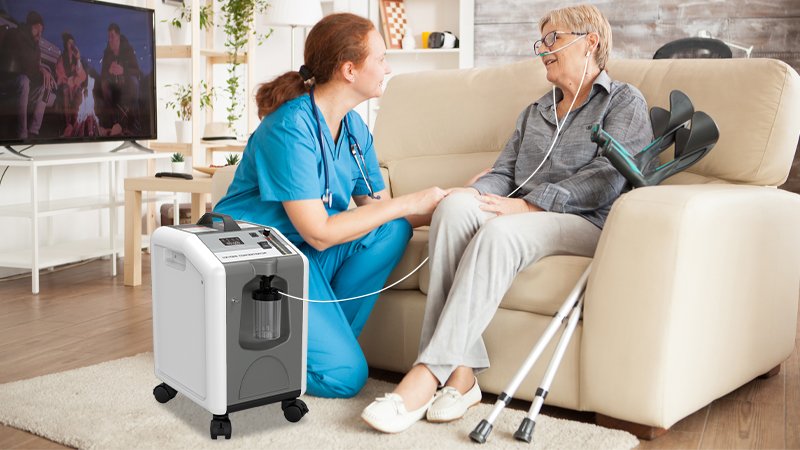
Choosing a home oxygen concentrator is an important decision for anyone who has been prescribed supplemental oxygen. Unlike portable oxygen equipment, a home concentrator is generally designed to provide oxygen continuously in a living environment, making reliability, comfort, safety, and ease of operation especially important. With many models offering different features, understanding what to look for can make the selection process much easier.
A 家用氧氣機 is designed to concentrate oxygen from the surrounding air and deliver it to the user through tubing or another prescribed delivery system. While the basic purpose is similar across models, the way each machine operates can vary significantly. Considering your prescribed oxygen needs, home environment, and daily routine can help you identify an option that fits your circumstances.
Understand Your Oxygen Requirements
The first consideration should always be your oxygen prescription. Oxygen therapy is not a one-size-fits-all treatment, and the appropriate flow rate or delivery setting should be determined by a qualified healthcare professional.
Some people may require a lower oxygen flow, while others may need higher continuous-flow capacity. Before comparing machines, understand the prescribed flow rate and whether oxygen is required continuously or only during particular activities or periods.
Choosing equipment based solely on price or appearance can be problematic if the machine cannot meet the required oxygen needs. The right concentrator should support the prescribed therapy consistently.
Consider Oxygen Output and Performance
Oxygen output is one of the most important specifications to examine when comparing a 家用氧氣機. Different concentrators are designed to provide different flow ranges and oxygen concentrations.
Look at the manufacturer’s stated oxygen output and operating specifications. It is also useful to consider whether the machine can maintain appropriate performance under normal household conditions.
Performance should remain dependable during extended operation because home oxygen therapy may involve using the equipment for many hours each day. A concentrator intended for regular use should therefore be designed for durability and stable operation.
Continuous Flow or Other Delivery Options
Home concentrators commonly provide continuous-flow oxygen, although some equipment may offer different delivery modes. The appropriate option depends on the user’s prescription.
Do not assume that a machine with more settings is automatically better. What matters most is whether the available delivery method matches the prescribed therapy. A healthcare professional can help determine which configuration is appropriate.
Check Noise Levels
Noise can have a major effect on comfort, particularly when the concentrator is located in a bedroom or another frequently used area.
A concentrator uses mechanical components to draw in and process air, so some operating noise is normal. However, different models can have noticeably different noise levels.
If the machine will operate overnight, pay particular attention to its noise specification. A quieter unit may make it easier to sleep, read, watch television, or have conversations without constant background noise.
Evaluate Size and Placement
Home oxygen concentrators can differ considerably in size and weight. Before purchasing or selecting one, think about where it will be placed.
The machine should have adequate ventilation and should not be positioned in a cramped location where airflow could be restricted. It should also be placed somewhere that allows convenient access to controls and connections.
Consider the length of oxygen tubing required to move comfortably around the room or home. A well-planned setup can reduce unnecessary movement of the machine and make daily use more convenient.
Look for Simple Controls
Operating a 家用氧氣機 should not be unnecessarily complicated. Clear controls, readable indicators, and straightforward instructions can make everyday use easier.
Look for features such as clearly marked switches, easy-to-understand flow controls, and visible warning indicators. If multiple people may help with equipment operation, simplicity becomes even more valuable.
A complicated control panel can create confusion, especially when someone needs to respond quickly to an alarm or check whether the device is operating correctly.
Pay Attention to Safety Features
Safety should be a major part of the selection process. Oxygen supports combustion, so oxygen equipment should always be used according to the manufacturer’s safety instructions and the guidance provided by healthcare professionals.
Useful safety features may include alarms for problems such as power interruptions, abnormal operation, or other equipment issues. Automatic protective systems can provide additional reassurance, but users should still understand what each alarm means and what action is recommended.
The concentrator should be positioned away from open flames, smoking materials, excessive heat, and other potential ignition sources.
Examine Power Requirements
A home oxygen concentrator depends on electrical power, making power requirements another important consideration.
Before choosing a machine, understand its electrical specifications and whether it is appropriate for the electrical system in your home. Consider what will happen during a power outage as well.
Some households may benefit from having an appropriate backup oxygen arrangement based on medical advice. A backup plan is especially important for people who depend on oxygen continuously.
Never modify electrical connections or use unsuitable extension equipment simply to accommodate a concentrator. Follow the manufacturer’s instructions and consult a qualified professional when necessary.
Consider Maintenance Requirements
Regular maintenance helps keep oxygen equipment operating properly. When comparing a 家用氧氣機, check what routine cleaning and maintenance are required.
Filters may need regular inspection or replacement, while external surfaces and accessories may require cleaning according to manufacturer instructions. Tubing and other components should also be checked for damage, blockages, or wear.
A machine that is easy to maintain can make long-term ownership more manageable. Before choosing a model, find out whether replacement filters and other approved accessories are readily available.
Ask About Service and Support
Even a high-quality concentrator may eventually require professional servicing. For that reason, after-sales support is an important consideration.
Check whether the manufacturer or supplier provides technical assistance, maintenance services, warranty coverage, and access to replacement components. A reliable support network can be especially valuable if the concentrator is used frequently.
Do not overlook the warranty terms. Understanding what is covered and for how long can help prevent unexpected costs later.
Think About Energy Efficiency
Because a home oxygen concentrator may operate for many hours, electricity consumption can become an ongoing household expense.
When comparing models, look at their energy requirements and operating efficiency. A machine that meets the required oxygen needs while using electricity efficiently may be more economical over its useful life.
However, energy efficiency should not replace medical suitability. The first priority should always be selecting equipment capable of supporting the prescribed oxygen therapy.
Consider Ease of Mobility
Although home concentrators are generally intended for stationary use, some models may include wheels or handles that make them easier to move around the home.
This can be helpful when oxygen is needed in different rooms. Before moving the equipment, ensure that tubing and electrical connections remain safely arranged and do not create trip hazards.
If you need oxygen outside the home, ask a healthcare professional or oxygen equipment provider about whether a portable system would be more appropriate rather than expecting a home unit to fulfill both purposes.
Compare Total Value, Not Just Price
Price is naturally an important consideration, but the cheapest concentrator is not necessarily the best choice. Look at the complete value of the equipment.
Consider oxygen output, reliability, noise, power consumption, maintenance, warranty, accessories, and customer support. A slightly higher initial cost may be worthwhile if the equipment offers better durability and easier long-term maintenance.
Also make sure the equipment comes from a reputable supplier and is intended for medical oxygen therapy.
Make an Informed Choice
Selecting the right 家用氧氣機 involves more than comparing product specifications. The best option should match the prescribed oxygen requirements while also fitting comfortably into the user’s home and daily routine.
Before making a decision, discuss your needs with your healthcare provider and oxygen equipment supplier. Ask questions about oxygen output, operating requirements, maintenance, alarms, power interruptions, warranty coverage, and available support.
A suitable home oxygen concentrator can make prescribed oxygen therapy more manageable and convenient. By focusing on medical requirements, dependable performance, safety, comfort, maintenance, and long-term value, you can make a more informed choice and select equipment that supports consistent use in the home.