
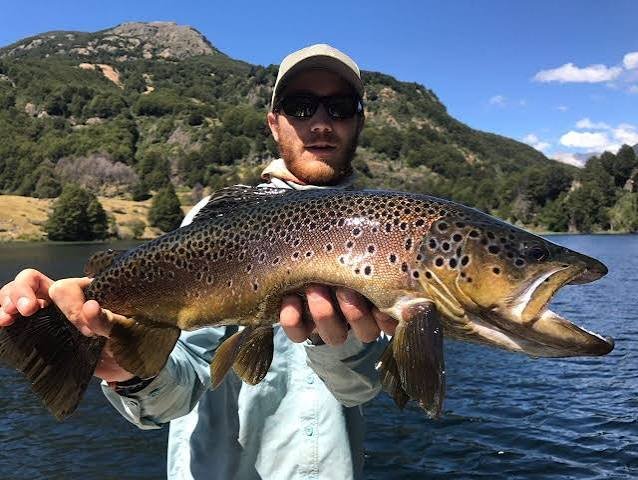
Fly fishing is a popular outdoor activity that combines patience, technique, and an appreciation for nature. Unlike conventional fishing methods, fly fishing uses Stephen Gleave Ancaster a lightweight artificial fly as the lure. Anglers cast a specialized line rather than relying primarily on the weight of the bait. This distinctive approach makes fly fishing both challenging and rewarding for people who enjoy spending time near rivers, streams, lakes, and other natural environments.
Whether you are completely new to fishing or already have experience with other techniques, learning the basics of fly fishing can open the door to a fascinating outdoor hobby. Understanding the equipment, casting methods, fly selection, and fishing environment can help beginners develop confidence and enjoy the experience.
What Is Fly Fishing?
Fly fishing is a fishing technique designed to imitate insects, small aquatic creatures, and other natural food sources that fish commonly eat. The artificial flies used by anglers are generally lightweight and can be made from materials such as feathers, fur, thread, and synthetic fibers.
Because the fly itself has very little weight, the fishing line provides most of the weight needed for casting. This is one of the main differences between fly fishing and traditional bait or lure fishing.
Fly fishing can be practiced in freshwater and, depending on the equipment and technique, in saltwater environments as well. Trout, bass, salmon, grayling, and many other species can be targeted with different fly fishing techniques.
Essential Fly Fishing Equipment
Getting started with fly fishing does not necessarily require a huge collection of equipment. Beginners can start with a basic setup and gradually add specialized gear as their skills develop.
Fly Rod
The fly rod is one of the most important pieces of equipment. Rods come in different lengths, weights, and actions. A lighter rod may be suitable for smaller streams and fish, while heavier rods can be useful for larger fish or windy conditions.
For beginners, a versatile rod that matches the type of water and fish they plan to target is often a practical choice.
Fly Reel
The reel holds the fly line and provides a way to manage and retrieve it. Although the reel plays a different role in fly fishing than a conventional spinning reel, it is still an important part of the setup.
A properly matched reel should balance the rod and accommodate the appropriate fly line and backing.
Fly Line
Fly line is especially important because it provides the weight needed to cast the lightweight fly. There are several types of fly lines, including floating, sinking, and specialized lines designed for particular fishing conditions.
Beginners commonly start with a floating line because it is versatile and relatively easy to use.
Flies
Artificial flies are designed to imitate food sources found in the fishing environment. Dry flies float on the surface, while nymphs imitate insects living underwater. Streamers are often designed to resemble small fish, leeches, or other larger aquatic prey.
Selecting the right fly depends on the local fish species, season, weather, and available food.
Learning the Basic Casting Technique
Casting is one of the most recognizable aspects of fly fishing. Unlike conventional fishing, the angler uses controlled movements to create a loop in the line and deliver the fly to a target location.
The basic overhead cast involves moving the rod backward and then forward while allowing the line to extend. Beginners should focus on smooth movements rather than trying to cast as far as possible.
Good timing is more important than excessive force. Practicing in an open area without a fly attached can help new anglers become comfortable with the motion before fishing on the water.
Understanding the Fishing Environment
Successful fly fishing requires more than good casting. Anglers also need to understand where fish are likely to be located.
In rivers and streams, fish may gather behind rocks, near submerged structures, along current edges, or in deeper pools. These areas can provide protection from strong currents while also bringing food toward the fish.
Weather and water conditions can also influence fish behavior. Changes in temperature, water levels, sunlight, and insect activity may affect where fish feed and how active they are.
Observing the environment before casting can therefore be extremely useful.
Choosing the Right Fly
Fly selection is an important skill that develops with experience. Many anglers begin by observing what insects or other food sources are present around the water.
If insects are actively landing on the surface, dry flies may be appropriate. If fish are feeding below the surface, nymphs can be useful. Streamers may work when fish are pursuing larger prey.
Local fishing shops, guides, and experienced anglers can provide useful information about seasonal fly patterns and local conditions.
Why People Enjoy Fly Fishing
One of the major attractions of fly fishing is the combination of recreation and nature. Anglers often spend hours surrounded by rivers, forests, mountains, lakes, and wildlife.
The activity also encourages concentration and patience. Rather than simply casting repeatedly, fly anglers often observe water movement, insect activity, fish behavior, and changing weather conditions.
For many people, the experience is about more than catching fish. It can provide an opportunity to disconnect from busy routines and spend meaningful time outdoors.
Fly Fishing for Beginners
Beginners should start with simple goals rather than expecting to master every technique immediately. Learning how to hold the rod, control the line, make basic casts, and safely handle fish provides a strong foundation.
Practicing casting before heading to a difficult fishing location can make the first trip more enjoyable. It is also helpful to learn basic knots and understand how the leader and tippet connect to the fly line.
New anglers should also become familiar with local fishing regulations. Rules may specify which species can be targeted, what equipment is allowed, when fishing is permitted, and whether catch-and-release practices are required.
Responsible and Sustainable Fishing
Responsible fly fishing helps protect aquatic ecosystems and maintain healthy fish populations. Anglers should follow local regulations and respect private property, wildlife, and other people using the water.
When practicing catch and release, fish should be handled carefully and returned to the water as quickly as reasonably possible. Using appropriate equipment can reduce unnecessary stress on fish.
Keeping fishing areas clean is equally important. Fishing line, packaging, and other waste should never be left near waterways.
Improving Your Fly Fishing Skills
Improvement comes through practice and observation. Beginners can benefit from practicing casting regularly and learning from experienced anglers.
Keeping notes about fishing trips can also be useful. Recording the location, weather, water conditions, fly patterns, and fish activity may reveal useful patterns over time.
As skills improve, anglers can explore more advanced techniques such as roll casting, mending, nymphing, streamer fishing, and specialized presentations.
Conclusion
Fly fishing is a rewarding outdoor activity that combines technical skill, observation, patience, and an appreciation for nature. From selecting the right rod and fly to understanding water conditions and fish behavior, there are many aspects to explore.
Beginners do not need to master everything at once. Starting with basic equipment, practicing fundamental casting techniques, learning about local waters, and following responsible fishing practices can create a strong foundation.
With time and experience, fly fishing can become more than a way to catch fish. It can become a way to explore the outdoors, develop new skills, and enjoy peaceful moments in some of nature’s most beautiful environments.