
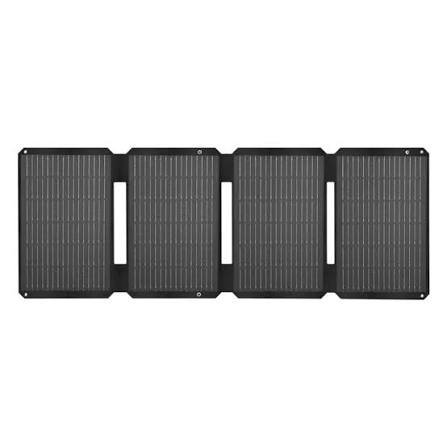
A 45W portable solar panel is a compact and convenient solution for people who want access to renewable energy while traveling, camping, hiking, or preparing for 45W portable solar panel temporary power interruptions. Unlike traditional rooftop solar systems, portable panels are designed to be lightweight, foldable, and easy to transport. Their moderate power output makes them suitable for charging smaller electronic devices and supporting compatible portable power stations.
As interest in clean energy and off-grid living continues to grow, portable solar panels are becoming increasingly useful. A 45W model offers a balance between portability and charging capability, making it an attractive option for outdoor enthusiasts, travelers, and anyone who wants an additional source of electricity.
What Is a 45W Portable Solar Panel?
A 45W portable solar panel is a photovoltaic device designed to generate electricity from sunlight, with a rated maximum output of approximately 45 watts under suitable testing conditions. The panel uses solar cells to convert sunlight into electrical energy.
Most portable models are designed with convenience in mind. They may include folding sections, protective covers, built-in stands, carrying handles, or compatible charging connectors. Depending on the model, the panel can be connected to a portable power station, battery system, or compatible electronic device.
The actual energy produced will depend on several factors, including sunlight intensity, panel orientation, weather, temperature, and shading.
Why Choose a 45W Portable Solar Panel?
One of the biggest advantages of a 45W portable solar panel is its combination of size and useful power output. Larger solar systems can provide significantly more electricity, but they are often heavier and more difficult to transport.
A 45W panel can be easier to carry during outdoor activities while still providing meaningful charging capacity. It can be particularly useful when access to electrical outlets is limited.
Another advantage is that solar energy is renewable. Once the panel is purchased, sunlight provides the energy source without requiring conventional fuel. This can make portable solar power useful for reducing reliance on wall outlets and traditional generators in certain situations.
Common Uses for a 45W Portable Solar Panel
A 45W portable solar panel can support a variety of applications. Camping is one of the most common. When spending time outdoors, users can connect the panel to compatible equipment to replenish a portable power station during daylight hours.
Travelers may also use portable solar panels during road trips, remote stays, and outdoor adventures. Depending on the equipment and connection method, solar power can help maintain essential small electronics.
The panel may also be useful for:
- Charging compatible power banks
- Supporting portable power stations
- Outdoor photography equipment
- Camping electronics
- Small rechargeable devices
- Emergency preparedness
- Hiking and backpacking
- Remote work setups
It is important to check the electrical specifications of both the panel and the device before connecting them.
How Does a 45W Portable Solar Panel Work?
Solar panels contain photovoltaic cells that respond to sunlight. When sunlight reaches these cells, they generate direct-current electricity.
The electricity can then be transferred through the panel’s output connection to compatible equipment. If the panel is connected to a portable power station, the station can store the generated energy in its internal battery for later use.
Under ideal conditions, a panel rated at 45W can theoretically produce up to 45 watts of power at its rated operating point. Real-world performance is usually lower because sunlight and environmental conditions constantly change.
For example, clouds, shadows, dust, poor positioning, and low sunlight can reduce output.
Factors That Affect Solar Panel Performance
A panel’s rated wattage should not be treated as a guaranteed continuous output. Solar performance depends heavily on environmental conditions.
Sunlight: Strong, direct sunlight generally provides better performance than weak or indirect sunlight.
Panel angle: Positioning the panel toward the sun can improve energy collection. Moving the panel during the day may help maintain a favorable angle.
Shade: Even partial shading can reduce the amount of electricity generated.
Weather: Cloudy or rainy conditions can significantly decrease solar output.
Temperature: Solar cells have operating characteristics that can change with temperature.
Cleanliness: Dirt and dust on the panel surface can interfere with sunlight reaching the solar cells.
Understanding these factors can help users get better results from a portable solar setup.
Portability and Design
Portability is one of the main reasons people choose smaller solar panels. A well-designed 45W portable solar panel can be folded or packed for transportation, making it easier to store in a backpack, vehicle, or camping kit.
Some models feature kickstands that allow the panel to stand at an angle. Others include handles or protective cases for easier carrying.
When choosing a portable panel, users should consider its folded dimensions, weight, durability, connectors, and weather resistance. A panel that is easy to transport is more likely to be used regularly.
Connecting a 45W Portable Solar Panel to a Power Station
Portable power stations are often paired with solar panels. The panel generates electricity during daylight hours, while the power station stores that energy for later use.
Before connecting the two devices, it is essential to verify voltage, current, connector type, and solar-input requirements. The solar panel should be compatible with the power station’s solar charging specifications.
Using compatible equipment helps ensure safe and reliable operation. Users should always follow the manufacturer’s instructions rather than assuming that every solar panel can work with every power station.
45W Solar Panel for Camping
Camping is an ideal application for portable solar power. A 45W portable solar panel can provide a way to collect renewable energy during the day without carrying fuel or depending entirely on electrical outlets.
Campers can place the panel in an open location with strong sunlight and connect it to compatible storage equipment. The stored electricity can then be used when needed.
However, users should plan their energy consumption realistically. A 45W panel is better suited to smaller energy needs than to running large appliances continuously.
Emergency Preparedness
A portable solar panel can also be part of an emergency preparedness kit. During temporary power interruptions, access to electricity may become limited. Solar equipment can provide an alternative way to replenish compatible batteries when sunlight is available.
A 45W panel is particularly useful when portability is more important than high power output. It can be stored until needed and transported easily if an emergency requires relocation.
For emergency use, pairing the panel with a suitable battery or portable power station can provide greater flexibility because solar energy can be collected during the day and stored for later.
What to Look for When Buying a 45W Portable Solar Panel
Several features should be considered before purchasing a panel.
First, check the rated output and electrical specifications. Make sure they are compatible with the equipment you plan to charge.
Next, consider portability. A lightweight folding design can be particularly useful for travel.
Build quality is also important. Outdoor equipment may experience dust, moisture, transportation, and frequent handling, so durable construction can be valuable.
You should also check the connectors and cables included with the panel. Compatibility can prevent the need for additional adapters.
Finally, consider the manufacturer’s warranty and instructions. Reliable documentation can make installation and everyday use easier.
Tips for Getting Better Results
To maximize the performance of a 45W portable solar panel, place it in an unobstructed area with direct sunlight whenever possible. Keep the surface clean and adjust the panel’s position as the sun moves.
Avoid placing the panel behind glass if maximum charging performance is required, as the material and conditions can affect solar energy reaching the cells.
It is also helpful to monitor charging performance when possible. This allows users to understand how weather, positioning, and time of day affect energy production.
Conclusion
A 45W portable solar panel provides a practical way to collect renewable energy without the size and complexity of a permanent solar installation. Its compact design and moderate output make it suitable for camping, travel, outdoor activities, portable power stations, and emergency preparedness.
Although it cannot replace a large solar system for high-energy applications, its portability makes it valuable for smaller power requirements. By choosing compatible equipment, positioning the panel correctly, keeping it clean, and understanding real-world solar conditions, users can make the most of a 45W portable solar panel.
For anyone seeking a convenient and renewable power source that can travel wherever they go, a 45W portable solar panel can be a useful addition to a modern outdoor or backup-power setup.