
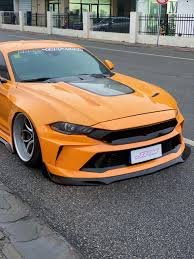
Car customization has become a popular way for vehicle owners to express their personality, improve their car’s appearance, and create a more distinctive road presence. Among bodykits the many upgrades available, bodykits remain one of the most recognizable choices. A well-selected bodykit can transform the exterior of a standard vehicle by adding a sportier, more aggressive, elegant, or performance-inspired appearance.
Whether you are working on a daily driver, a weekend project, or a show car, choosing the right bodykit requires careful consideration. Different designs are created for different vehicle styles, budgets, and customization goals. Understanding the most popular types can make it easier to plan a successful car customization project.
Wide Bodykits
Wide bodykits are among the most dramatic options available for automotive customization. They are designed to make a vehicle look wider and more muscular by extending the wheel arches and adding wider exterior components.
A typical wide body conversion may include wider fenders, side skirts, front and rear bumper modifications, and other complementary parts. Some designs also create additional space for wider wheels and tires, making them attractive to enthusiasts who want a powerful motorsport-inspired appearance.
Wide bodykits are especially popular on sports cars, performance vehicles, and show cars. However, proper installation and fitment are important because poorly installed components can negatively affect the vehicle’s appearance.
Lip Bodykits
For drivers who want a subtle transformation, lip bodykits can be an excellent choice. Rather than completely replacing the original exterior panels, lip kits typically add extensions to the factory bumpers, side skirts, or other body sections.
This approach maintains much of the vehicle’s original design while giving it a lower and sportier appearance. Front lips, rear lips, and side extensions are commonly combined to create a balanced look.
One of the biggest advantages of lip bodykits is their versatility. They can work well for daily-driven vehicles because the modification is generally less dramatic than a complete body conversion. They are also a popular starting point for beginners entering the world of car customization.
Full Bodykits
Full bodykits provide a more comprehensive exterior transformation. Instead of adding only one or two components, a complete kit can include front and rear bumpers, side skirts, spoilers, fenders, and other matching pieces.
The main benefit of choosing a full kit is design consistency. All components are generally created to complement one another, helping the finished vehicle look professionally customized.
Full bodykits are particularly popular among owners who want their vehicle to have a completely different visual identity. They can be used to create luxury-inspired, racing-inspired, futuristic, or aggressive styling themes depending on the design.
Performance-Inspired Bodykits
Performance-inspired bodykits take their visual inspiration from motorsport and high-performance vehicles. These designs often feature larger air intakes, sharper lines, rear diffusers, spoilers, and aerodynamic-looking elements.
Even when the primary goal is appearance rather than actual aerodynamic performance, these features can give a car a dynamic and competition-inspired character. Performance-style bodykits are commonly chosen for sports cars and vehicles that already have a sporty factory design.
When selecting these kits, owners should distinguish between styling components and professionally engineered aerodynamic parts. A visually aggressive design does not automatically provide measurable performance benefits.
Luxury-Style Bodykits
Not every customization project is about creating an aggressive appearance. Luxury-style bodykits are designed to make a vehicle look more refined, sophisticated, and premium.
These kits may feature smooth lines, elegant bumper designs, redesigned grilles, subtle side skirts, and carefully shaped exterior details. They are particularly suitable for owners who want their vehicle to stand out without making it appear overly aggressive.
Luxury-inspired customization can work well on sedans, executive cars, SUVs, and premium vehicles. Matching the bodykit with appropriate wheels, paint, lighting, and interior upgrades can create a cohesive overall appearance.
JDM-Inspired Bodykits
Japanese Domestic Market, commonly known as JDM, styling has influenced car customization around the world. JDM-inspired bodykits often emphasize compact proportions, sporty lines, functional-looking aerodynamic elements, and distinctive front-end designs.
These kits are especially popular among enthusiasts who customize Japanese vehicles. Depending on the project, the style can range from subtle street-inspired designs to highly aggressive track-influenced appearances.
The popularity of JDM styling demonstrates how automotive culture can influence customization trends across different countries and vehicle markets.
Off-Road and SUV Bodykits
Bodykits are not limited to sports cars and sedans. SUVs and off-road vehicles can also benefit from specialized exterior styling packages.
Off-road-inspired bodykits may include rugged bumper designs, fender extensions, side steps, protective-looking elements, and other exterior accessories. These components can give an SUV a stronger and more adventurous appearance.
Some off-road modifications are purely cosmetic, while others can support practical requirements. Owners should always verify that modified components do not interfere with lighting, visibility, wheel movement, or other important vehicle functions.
Choosing the Right Bodykit
Selecting suitable bodykits begins with understanding the vehicle and the intended customization style. The design should complement the car’s original proportions rather than simply adding as many visual elements as possible.
Fitment is another important factor. A quality kit should be designed for the specific make, model, and generation of the vehicle. Incorrect fitment can create uneven panel gaps and make installation more difficult.
Material selection also matters. Common materials include fiberglass, polyurethane, ABS plastic, and composite materials. Each option has different characteristics related to flexibility, weight, durability, repairability, and price.
Budget should also be considered before purchasing. The cost of the kit is only part of the overall project. Installation, preparation, painting, alignment, and additional components can significantly increase the final expense.
Matching Bodykits With Other Modifications
A bodykit usually looks best when it is integrated with the rest of the vehicle’s design. Wheels and tires, suspension setup, exhaust styling, lighting, paint, and exterior accessories can all influence the final result.
For example, a sporty bodykit may look more balanced with appropriately sized wheels and a coordinated suspension setup. A luxury-style kit may benefit from clean wheel designs and a refined paint finish.
The key is maintaining visual balance. Too many unrelated modifications can make a vehicle look inconsistent, while carefully coordinated upgrades can produce a professional and attractive appearance.
Professional Installation Matters
Even high-quality bodykits may not deliver the desired result if they are installed incorrectly. Professional installation can help ensure that panels are aligned properly, mounting points are secure, and surfaces are prepared correctly before painting.
Some kits may require additional preparation or adjustment before installation. Professional installers can identify these requirements and help reduce the risk of fitment problems.
Owners should also check local regulations before making significant exterior modifications. Certain changes may affect lighting, ground clearance, wheels, or other regulated vehicle features.
Building a Successful Customization Project
A successful car customization project starts with a clear vision. Before purchasing bodykits, owners should decide whether they want a subtle upgrade, an aggressive performance-inspired appearance, a luxury transformation, or an off-road look.
Researching different designs and viewing completed projects can help establish realistic expectations. It is also useful to consider how the vehicle will be used. A show car may accommodate more dramatic modifications, while a daily driver may benefit from practical and durable styling upgrades.
Quality should remain a priority throughout the project. A properly fitted and professionally finished bodykit can make a major difference to the final appearance, while poorly matched components can reduce the overall quality of the vehicle.
Conclusion
Popular bodykits offer countless possibilities for transforming a vehicle’s exterior. From subtle lip kits and elegant luxury designs to wide body conversions and aggressive performance-inspired styles, there is an option for almost every customization goal.
The best choice depends on the vehicle, budget, intended style, material quality, and installation requirements. By selecting components that complement the original design and combining them with carefully chosen wheels, paint, suspension, and accessories, car enthusiasts can create a distinctive and cohesive project.
With proper planning and professional installation, bodykits can turn an ordinary vehicle into a personalized automotive statement while reflecting the owner’s unique taste and creativity.