
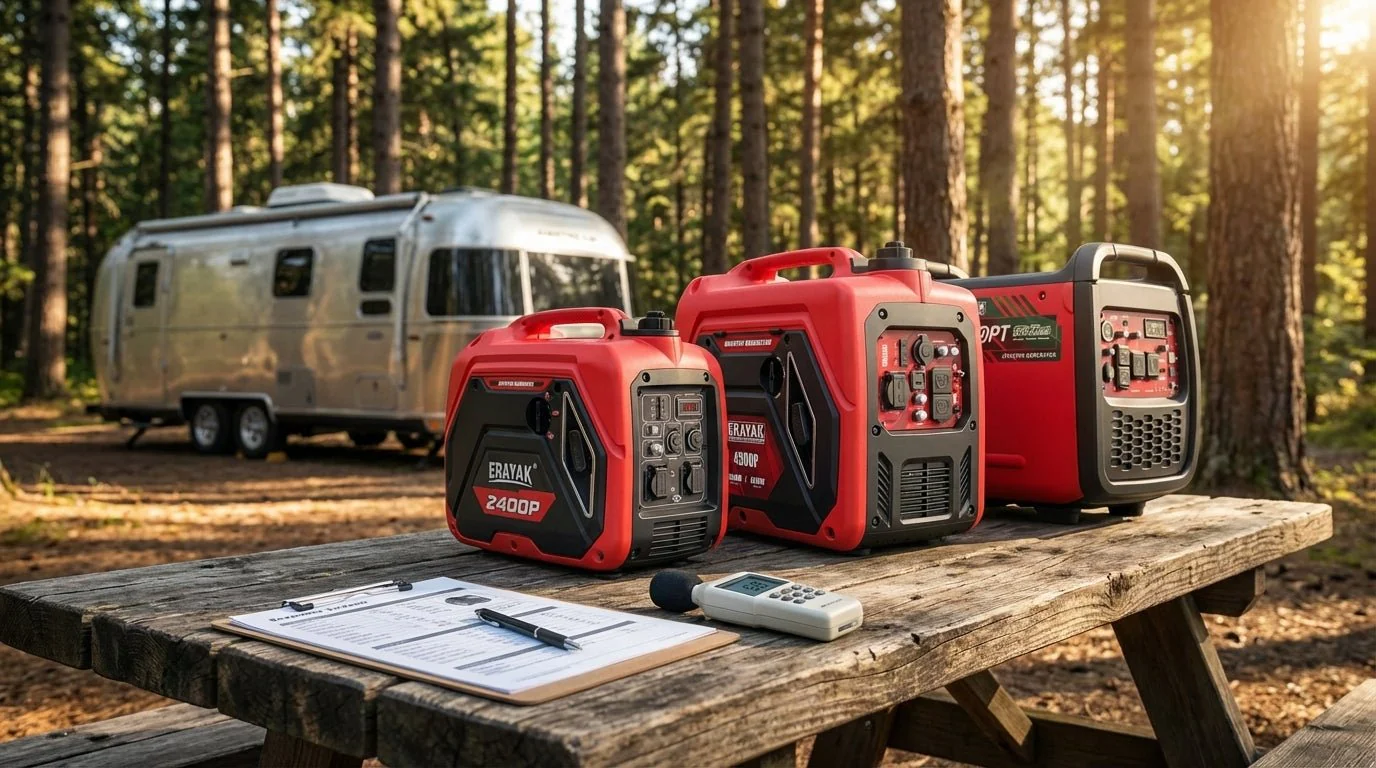
Traveling in an RV gives people the freedom to explore mountains, beaches, forests, and remote campsites without sacrificing comfort. One of the most important tools that supports this lifestyle is a portable generator for RV use. Whether you are camping off-grid, staying at a national park, or preparing for emergencies, a reliable generator can provide electricity whenever and wherever you need it.
Modern RV travelers rely heavily on electrical devices. Air conditioners, microwaves, coffee makers, laptops, refrigerators, and charging stations all require dependable power. A portable generator for RV travel ensures that these devices continue functioning even when campground hookups are unavailable.
Generators designed for RVs are compact, efficient, and easier to transport than traditional home generators. They help travelers enjoy comfort and convenience while maintaining mobility during road trips and outdoor adventures.
Understanding How a Portable Generator for RV Works
A portable generator for RV applications converts fuel into electricity. Most generators use gasoline, propane, or dual-fuel systems to power appliances and electronics. The generator produces electricity through an internal engine connected to an alternator.
RV generators are available in various sizes and wattage capacities. Smaller units are suitable for charging devices and powering lights, while larger generators can run heavy appliances like air conditioners and electric heaters.
Many RV owners choose inverter generators because they produce cleaner electricity. This is especially important for sensitive electronics such as laptops, smartphones, and televisions. Inverter technology also helps reduce noise levels, making camping experiences more enjoyable.
Benefits of Using a Portable Generator for RV Trips
Reliable Power Anywhere
One major advantage of owning a portable generator for RV travel is the ability to access power in remote locations. Travelers are not limited to campgrounds with electrical hookups. This opens opportunities for boondocking and off-grid camping.
Emergency Backup Power
Unexpected weather conditions and campground outages can disrupt access to electricity. A portable generator for RV use provides backup energy during emergencies and keeps important systems operating smoothly.
Convenience and Comfort
Generators make RV living more comfortable by supporting modern appliances. Travelers can cook meals, keep food refrigerated, and maintain comfortable temperatures regardless of location.
Portable and Easy to Store
Modern generator designs are lightweight and compact. Many models include handles and wheels for easier transportation and storage inside RV compartments.
Fuel Efficiency
Newer generator models are designed for fuel efficiency. Some systems automatically adjust engine speed based on power demand, helping conserve fuel during long trips.
Choosing the Right Portable Generator for RV Use
Determine Your Power Needs
Before purchasing a portable generator for RV travel, it is important to calculate total wattage requirements. Start by listing the appliances you plan to run simultaneously. Air conditioners typically require the most power, followed by microwaves and coffee makers.
Small RV setups may only need 2000 watts, while larger RVs with multiple appliances may require 4000 watts or more.
Consider Noise Levels
Noise can affect the camping experience, especially in quiet campgrounds. Inverter generators are generally quieter than traditional models. Many RV parks also enforce noise restrictions, making low-noise generators a better option.
Fuel Type Options
Portable generators commonly operate on gasoline, propane, or dual-fuel systems.
Gasoline Generators
Gasoline-powered generators are widely available and often more affordable. However, fuel storage and maintenance are important considerations.
Propane Generators
Propane burns cleaner and stores longer than gasoline. Many RV owners prefer propane because RVs already use propane tanks for cooking and heating.
Dual-Fuel Generators
A dual-fuel portable generator for RV use provides flexibility by allowing users to switch between gasoline and propane based on availability.
Portability Features
Look for features such as built-in wheels, folding handles, and lightweight construction. These details make transportation easier during camping trips.
Safety Tips for Using a Portable Generator for RV
Never Operate Indoors
Generators produce carbon monoxide, which can be dangerous in enclosed spaces. Always place the generator outside and away from windows, doors, and vents.
Use Proper Extension Cords
Heavy-duty outdoor extension cords designed for generators help prevent overheating and electrical hazards.
Keep Fuel Stored Safely
Store gasoline and propane in approved containers away from heat sources and direct sunlight.
Avoid Overloading the Generator
Every portable generator for RV use has a maximum wattage rating. Exceeding this limit can damage both the generator and connected appliances.
Perform Routine Maintenance
Regular oil changes, air filter cleaning, and spark plug inspections help extend the lifespan of the generator.
Best Situations to Use a Portable Generator for RV Travel
Boondocking Adventures
Boondocking allows RV travelers to camp outside traditional campgrounds. A portable generator for RV living makes off-grid camping more practical and comfortable.
Long Road Trips
Generators provide electricity during overnight stops and remote travel routes where hookups may not exist.
Outdoor Events and Festivals
Many RV owners attend sporting events, music festivals, and outdoor gatherings. Portable generators provide dependable power during these activities.
Emergency Preparedness
Natural disasters and power outages can occur unexpectedly. RV owners often use generators as backup energy sources during emergencies.
Common Features Found in a Portable Generator for RV
Electric Start Systems
Electric start generators are more convenient than pull-start models, especially during cold weather conditions.
Parallel Capability
Some generators allow users to connect two units together for increased power output. This feature provides flexibility for growing energy needs.
USB and Multiple Outlets
Modern generators include USB ports and various outlet types for charging electronics and running multiple appliances simultaneously.
Eco Mode Technology
Eco mode adjusts engine speed automatically to match power demand, improving fuel efficiency and reducing noise.
Portable Generator for RV Maintenance Guide
Proper maintenance ensures long-term reliability and performance.
Check Oil Levels Regularly
Oil lubricates engine components and prevents overheating. Always inspect oil levels before operating the generator.
Clean the Air Filter
Dust and debris can reduce performance. Cleaning or replacing the air filter helps maintain proper airflow.
Run the Generator Periodically
Even during storage periods, operating the generator occasionally helps keep internal components functioning correctly.
Inspect Fuel Systems
Check hoses, fuel lines, and connections for leaks or wear before every trip.
Environmental Considerations
Many RV travelers prioritize environmentally friendly camping practices. Choosing a fuel-efficient portable generator for RV use helps reduce emissions and fuel consumption.
Some travelers also pair generators with solar panels to create hybrid power systems. Solar energy can handle daytime charging while generators provide backup power during cloudy conditions or high-demand situations.
Future Trends in Portable Generator for RV Technology
The RV industry continues evolving, and generator technology is improving rapidly. Manufacturers are focusing on quieter engines, cleaner fuel systems, and smarter energy management features.
Battery-powered generators are also becoming more popular. Although they currently provide less runtime than fuel-powered models, advancements in battery technology may increase their practicality for RV owners in the future.
Smartphone integration, remote monitoring, and automatic power management systems are expected to become more common in future portable generator for RV designs.
Conclusion
A portable generator for RV travel is one of the most valuable tools for modern campers and road trip enthusiasts. It provides dependable electricity, supports comfortable living, and allows travelers to explore remote destinations without sacrificing convenience.
From powering appliances during boondocking adventures to serving as emergency backup energy, generators play an essential role in the RV lifestyle. By selecting the right size, understanding safety practices, and performing regular maintenance, RV owners can enjoy reliable performance for many years.
As technology continues advancing, the portable generator for RV market will offer even more efficient, quiet, and eco-friendly solutions for travelers seeking freedom and flexibility on the open road.