
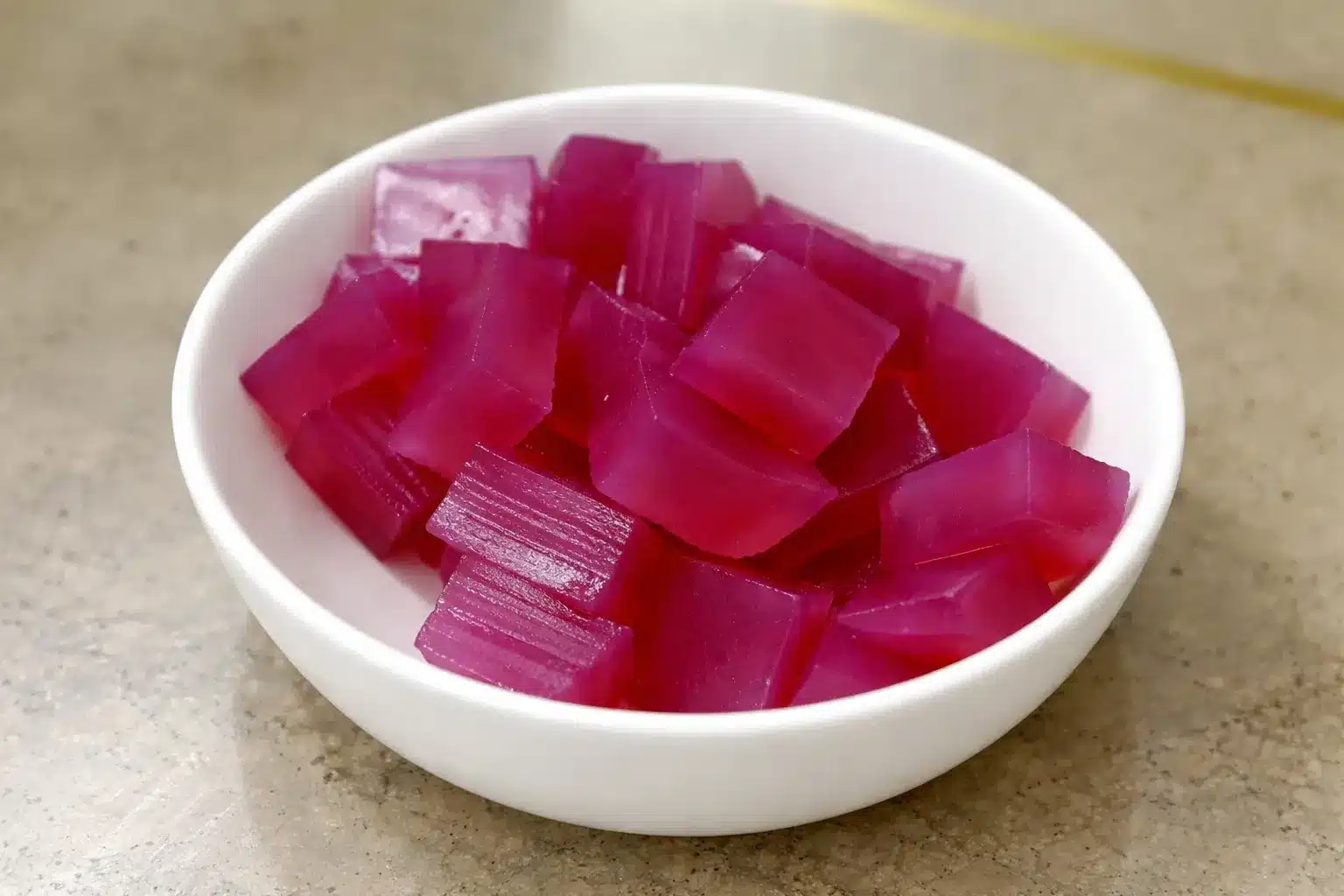
If you have ever scrolled through culinary forums or watched high-end pastry chefs work their magic, you might have heard whispers of a “secret weapon” used to achieve the perfect texture in everything from whipped cream to clarified juices. That secret is often referred to as the gelatin trick recipe. While it sounds like something reserved for molecular gastronomy experts, it is actually a remarkably simple technique that any home cook can master to level up their kitchen game.
In this guide, we will dive deep into what the gelatin trick recipe is, why it works, and how you can apply it to your favorite dishes to achieve professional-grade results.
Understanding the Science of Gelatin
To master the gelatin trick recipe, you first need to understand what gelatin actually is. Gelatin is a protein derived from collagen. When it is heated in a liquid, the protein bonds break apart; as it cools, those bonds reform into a web-like structure that traps moisture. This process, known as gelation, is what gives gummy bears their chew and panna cotta its signature wobble.
The “trick” part of the recipe usually refers to using a very small, specific amount of gelatin—not to make a firm “Jell-O” style mold, but to stabilize or clarify another ingredient. It is about using the protein to provide structure without changing the mouthfeel or flavor of the original food.
The Most Popular Use: Stabilized Whipped Cream
One of the most common applications of the gelatin trick recipe is in making stabilized whipped cream. We have all been there: you whip up a beautiful bowl of heavy cream for a cake, only for it to deflate into a sad, watery puddle an hour later.
By incorporating a tiny amount of bloomed gelatin, you create a structural framework that holds the air bubbles in place. This allows the whipped cream to remain stiff and pipeable for days, even in warmer temperatures.
How to Execute the Whipped Cream Trick
- Bloom the Gelatin: Sprinkle about 1/2 teaspoon of unflavored gelatin over a tablespoon of cold water. Let it sit for 5 minutes until it becomes thick and grainy.
- Melt: Gently microwave the mixture for 5-10 seconds until it is liquid and clear. Do not let it boil.
- Temper: This is the crucial step. Take a small spoonful of your partially whipped cream and whisk it into the warm gelatin. This prevents the gelatin from hitting the cold cream and instantly turning into rubbery lumps.
- Combine: Slowly drizzle the tempered mixture into the main bowl while continuing to whip until you reach stiff peaks.
The Gelatin Trick Recipe for Crystal Clear Liquids
Another fascinating application is “gelatin filtration.” This is a method used by chefs to clarify stocks, juices, or consommés without using the traditional (and messy) egg white raft.
The gelatin trick recipe here involves freezing a liquid that has a small amount of gelatin dissolved in it. As the mixture thaws slowly in the refrigerator through a coffee filter or cheesecloth, the gelatin network stays behind, trapping all the microscopic solids and impurities. What drips through is a perfectly clear, intensely flavored liquid. This is the gold standard for making high-end soups or transparent cocktails.
Essential Tips for Success
Working with gelatin can be finicky if you aren’t aware of a few golden rules. To ensure your gelatin trick recipe works every time, keep these techniques in mind:
Always Bloom First
Never dump dry gelatin powder directly into a large pot of liquid. It will clump, and those clumps are nearly impossible to dissolve later. Always “bloom” it in a small amount of cold liquid first to ensure the proteins are hydrated and ready to melt evenly.
Temperature Matters
Gelatin is heat-sensitive. If you boil it for an extended period, the protein chains can break down, weakening its thickening power. Conversely, if you add warm gelatin to an ice-cold liquid too quickly, it will seize into “strings.” Always aim for a gradual temperature transition.
Know Your Sources
Not all gelatin is created equal. Most grocery stores sell “Knox” brand powdered gelatin, which is very reliable. However, professional chefs often prefer “leaf” or “sheet” gelatin, which is graded by “Bloom strength” (Bronze, Silver, Gold, and Platinum). If a recipe calls for sheets and you only have powder, the general rule is that one packet (about 2.25 teaspoons) of powder is roughly equal to three or four sheets of gelatin.
Common Mistakes to Avoid
Even with a solid gelatin trick recipe, beginners often run into a few hurdles. Here is how to avoid the most common pitfalls:
- Using Too Much: The goal of the “trick” is subtlety. If your whipped cream feels like a marshmallow or your sauce is bouncy, you have overdone it. Start with less than you think you need.
- Forgetting Tropical Fruits: Raw pineapple, kiwi, papaya, and ginger contain enzymes called proteases. These enzymes eat protein—meaning they will literally digest the gelatin and prevent it from ever setting. If you want to use these fruits in a gelatin-based recipe, you must cook them first to deactivate the enzymes.
- Skipping the Chill Time: Gelatin takes time to set. While a mixture might look ready after an hour, it usually takes 4 to 24 hours to reach its maximum structural integrity.
Creative Ways to Use the Gelatin Trick
Once you have mastered the basics, you can start experimenting with the gelatin trick recipe in more creative ways:
- Savory Pan Sauces: If you are making a quick pan sauce but don’t have homemade bone broth (which is naturally rich in gelatin), whisk in a pinch of bloomed gelatin. It will give your sauce a “lip-smacking” richness and a glossy sheen that mimics a long-simmered demi-glace.
- Better Meatloaf and Meatballs: Adding a little dissolved gelatin to your meat mixture helps retain moisture during the baking process, resulting in a much more tender and juicy end product.
- Perfect Fruit Terrines: Use the gelatin trick to bind fresh berries together for a stunning summer dessert that holds its shape when sliced but melts instantly on the tongue.
The Texture of Professional Cooking
The beauty of the gelatin trick recipe lies in its versatility. It is not just about making desserts; it is about controlling texture and moisture in almost every category of cooking. By understanding how these proteins behave, you gain the ability to manipulate food in ways that seem like magic to the uninitiated.
Whether you are trying to keep a birthday cake looking perfect in the summer heat or you want to impress dinner guests with a sparkling clear tomato water, this technique is your ticket to success. It requires patience and precision, but the results are undeniably worth the effort.
As you become more comfortable, you will find yourself reaching for that little box of unflavored gelatin more often than you ever expected. It is the bridge between a “good” home-cooked meal and a “great” culinary experience.